
Dutch Bucket Systems: The Preferred Choice for Commercial Fruiting Vegetable Production
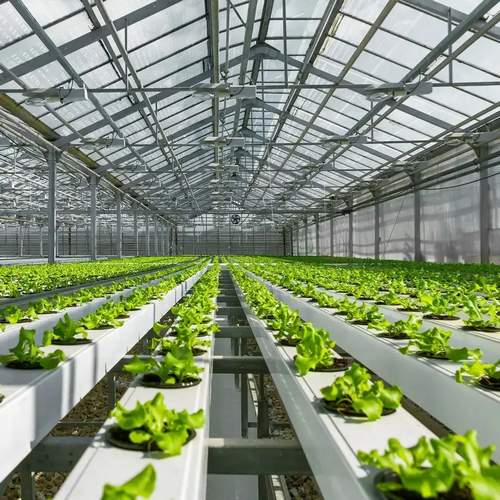
While NFT channels excel at growing leafy greens and herbs, fruiting vegetables like tomatoes, peppers, cucumbers, and eggplants present different nutritional and structural challenges that Dutch Bucket systems address more effectively. Understanding when to choose Dutch Bucket over NFT can significantly impact your commercial operation's productivity and profitability.
Why Fruiting Vegetables Need Different Growing Systems
Tomatoes, peppers, and similar fruiting crops develop extensive root systems that require more growing medium volume than leafy greens. These plants also benefit from individual attention—problems in a single NFT channel can affect dozens of plants simultaneously, while Dutch Bucket isolation contains issues to individual containers.
The deeper root zone in Dutch Buckets accommodates the substantial root mass these plants develop, particularly during the heavy fruiting stage when root exudates and nutrient uptake reach peak levels.
How Dutch Bucket Irrigation Works
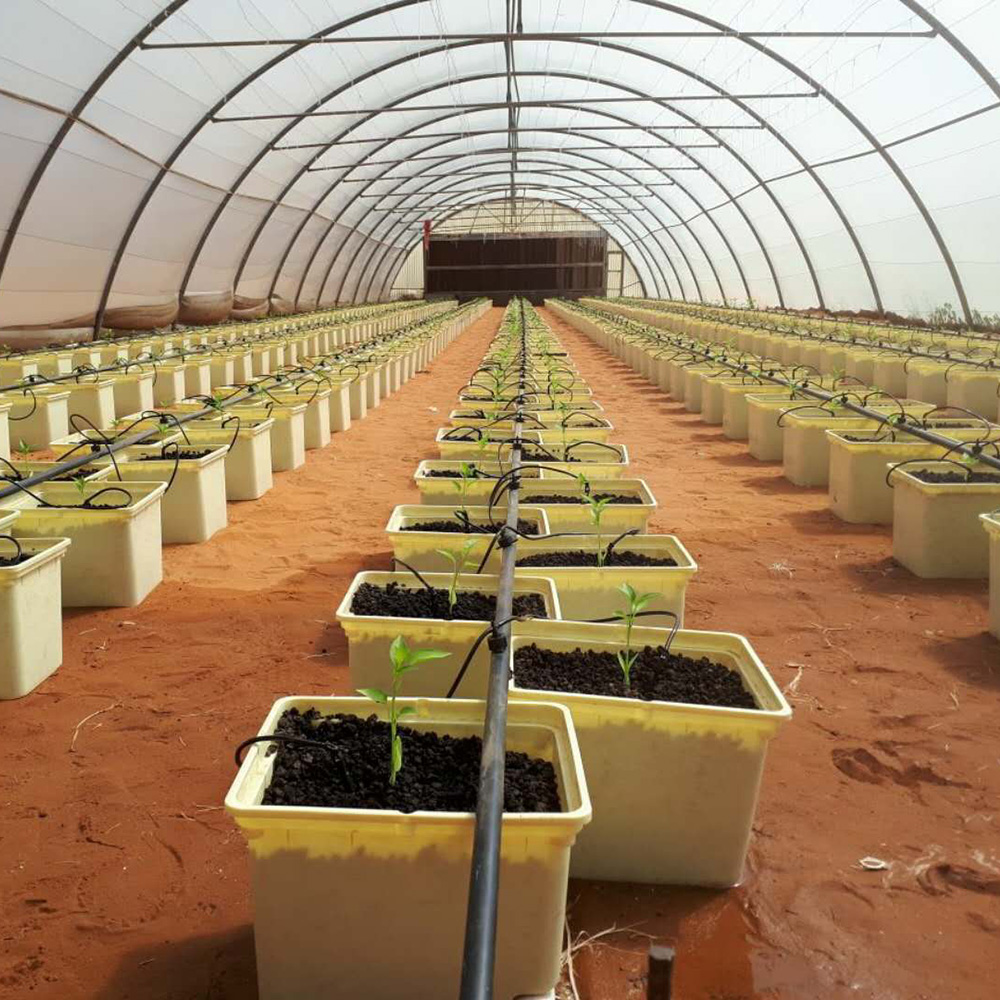
Dutch Bucket systems utilize a recirculating drip irrigation design where nutrient solution is delivered to each bucket through small-diameter tubing from a central supply line. The solution percolates through the growing medium, collecting in the bucket's reservoir at the bottom, where an overflow drain returns excess solution to the nutrient tank for recirculation.
This design creates several advantages over traditional drain-to-waste systems:
- Water and nutrient consumption reduced by 60-80% compared to soil-based growing
- Consistent nutrient concentration across all buckets in the system
- Easy observation of drainage rates as plant health indicator
- Simple troubleshooting when individual plants show stress symptoms
Bato Bucket Design Features
The Bato bucket design incorporates specific features optimized for commercial hydroponic production. The conical shape promotes drainage while maintaining adequate medium contact with roots. The wide mouth facilitates easy planting and harvesting operations, reducing labor time per plant.
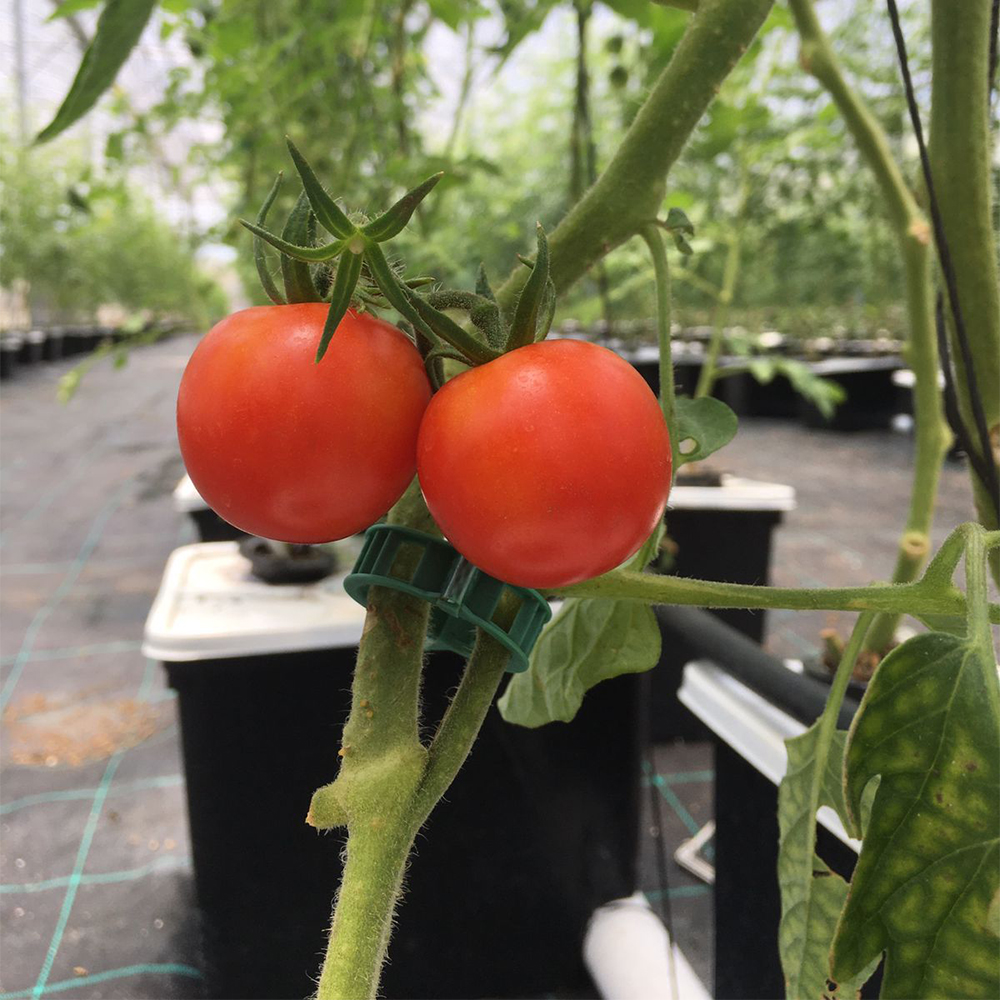
The typical 11-liter capacity provides sufficient root zone volume for indeterminate tomato varieties that can produce 25-35 kg of fruit per plant over a 9-10 month growing cycle. Smaller 8-10 liter buckets work well for compact pepper varieties and dwarf tomato cultivars.
Nutrient Management in Dutch Bucket Systems
Fruiting vegetables have distinct nutritional requirements that change throughout their growth cycle. During vegetative growth, higher nitrogen levels promote leaf and stem development. Once flowering begins, phosphorus and potassium requirements increase substantially to support fruit set and development.
Electrical conductivity (EC) management becomes critical in recirculating Dutch Bucket systems because water uptake by plants concentrates nutrients in the remaining solution. Regular pH monitoring and adjustment maintains the 5.8-6.3 range optimal for most fruiting crops.
Choosing Between NFT and Dutch Bucket
For operations considering which system to invest in, evaluating crop selection is the primary decision factor. Leafy greens, herbs, strawberries, and young transplants perform excellently in NFT channels. Tomatoes, peppers, eggplants, cucumbers, and large herbs like basil benefit from Dutch Bucket culture.
Many commercial operations utilize both system types in separate greenhouse sections, matching the production system to the crop category. This approach maximizes facility efficiency while providing crop-specific optimization.
System Installation Considerations
Dutch Bucket systems require more initial setup labor than NFT channels due to individual bucket positioning and drip line routing. However, the modular nature means easy reconfiguration and expansion. Sloping the floor toward drainage sumps facilitates complete system drainage during maintenance periods.
Budget allocation typically runs higher per plant for Dutch Bucket compared to NFT channels, but the extended production lifespan of fruiting crops and reduced transplant costs often result in favorable long-term economics.
