
The Rise of Automated Moving NFT Systems in Commercial Hydroponics
Traditional stationary hydroponic channels require careful manual positioning of plants and consistent monitoring of nutrient flow patterns. Automated moving NFT systems represent the next evolution in commercial hydroponic technology, eliminating many of these labor-intensive processes while improving crop uniformity and yield consistency.
How Moving Gully Systems Work
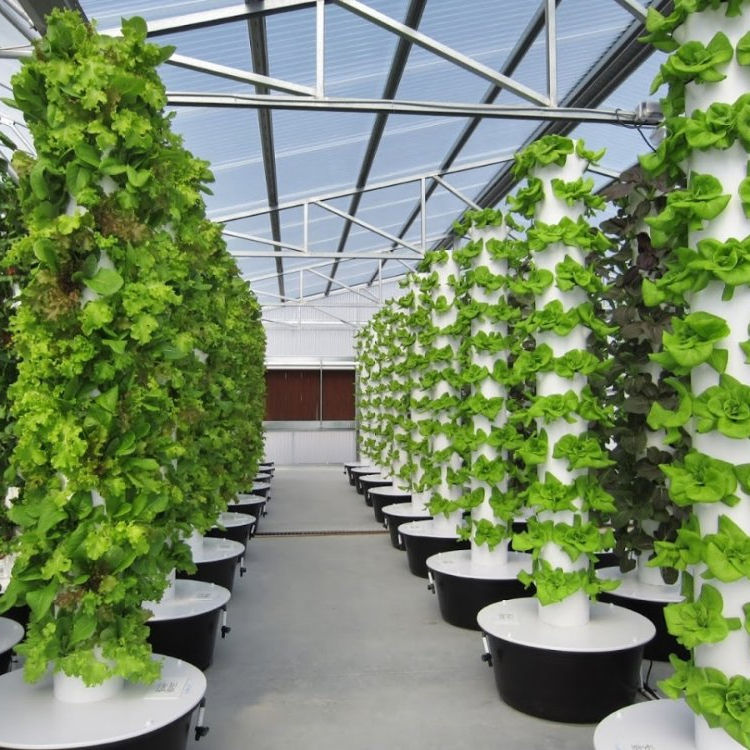
Moving gully systems incorporate motorized conveyor mechanisms that transport plant trays through the NFT channel environment. Rather than stationary planting positions, crops move continuously through the growing zone, experiencing identical nutrient exposure, light levels, and environmental conditions throughout their growth cycle.
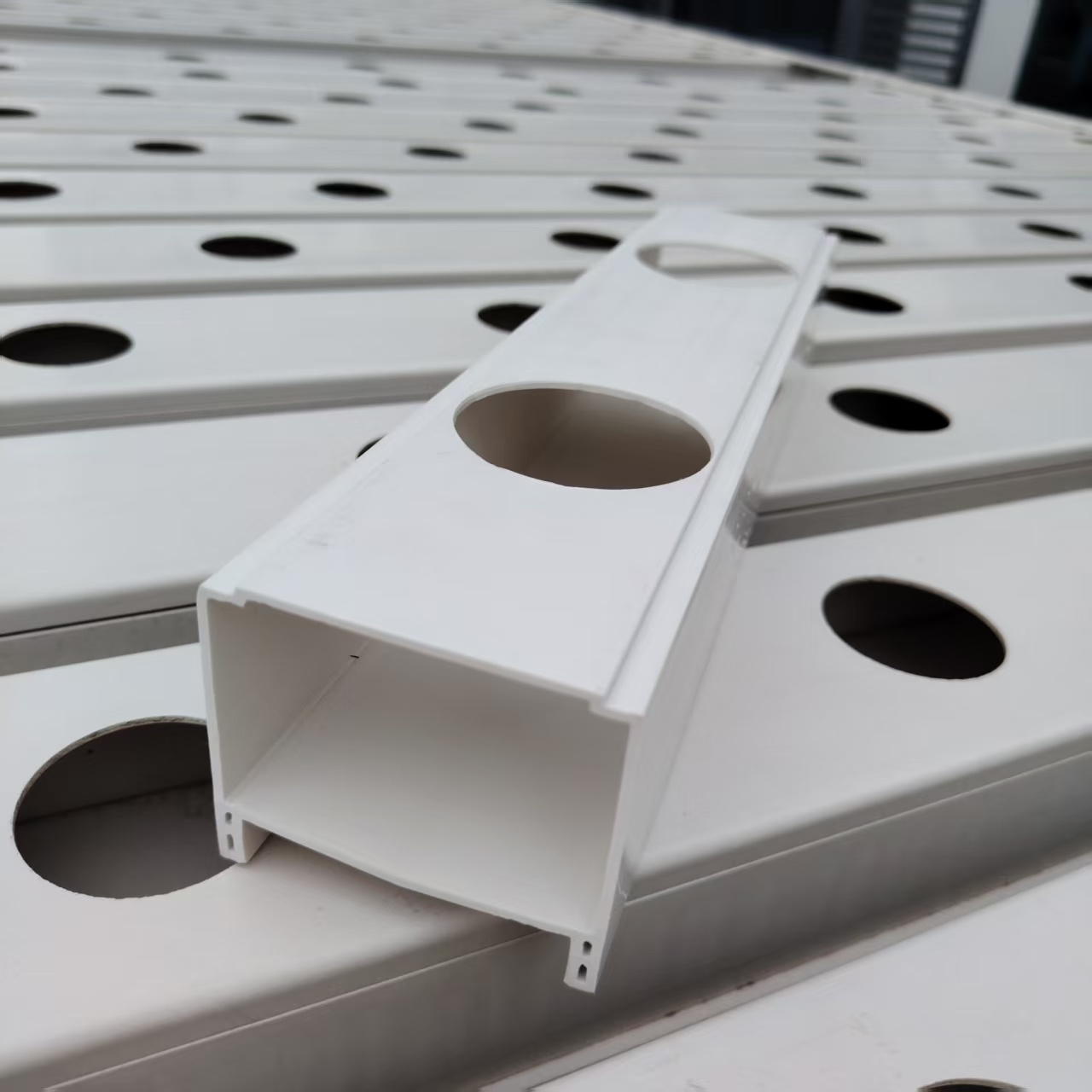
The conveyor speed determines residence time in each zone, allowing precise control over nutrient uptake periods. Plants requiring longer exposure to specific nutrient formulations can be accommodated by adjusting conveyor velocities, creating customized growing environments for different crop varieties within the same system.
Uniformity Advantages Over Stationary Systems
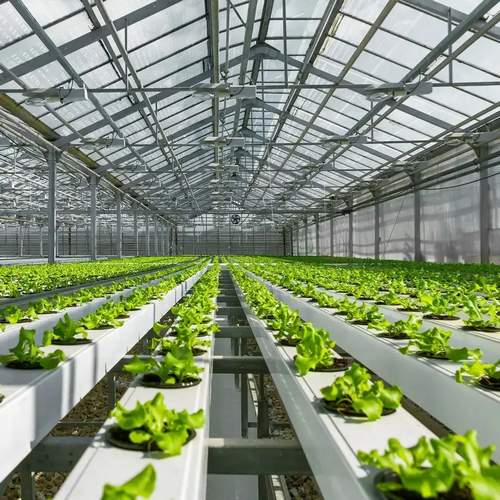
Stationary NFT channels inherently create environmental gradients along their length. Plants near the nutrient inlet receive freshest solution, while downstream positions handle partially depleted formulations. This gradient effect produces measurable variation in crop quality and maturity timing across a single channel run.
Moving gully systems eliminate these gradients entirely. Every plant experiences identical nutrient concentration, temperature, and flow rate regardless of its original channel position. Research indicates that moving systems produce coefficient of variation values below 5% for key quality parameters, compared to 15-20% variation typical of stationary channels.
Labor Reduction Benefits
Conventional NFT operations require dedicated crews for planting, monitoring, and harvesting activities distributed along channel runs. Moving systems consolidate these operations at system endpoints, reducing labor requirements by 40-60% for equivalent production volumes.
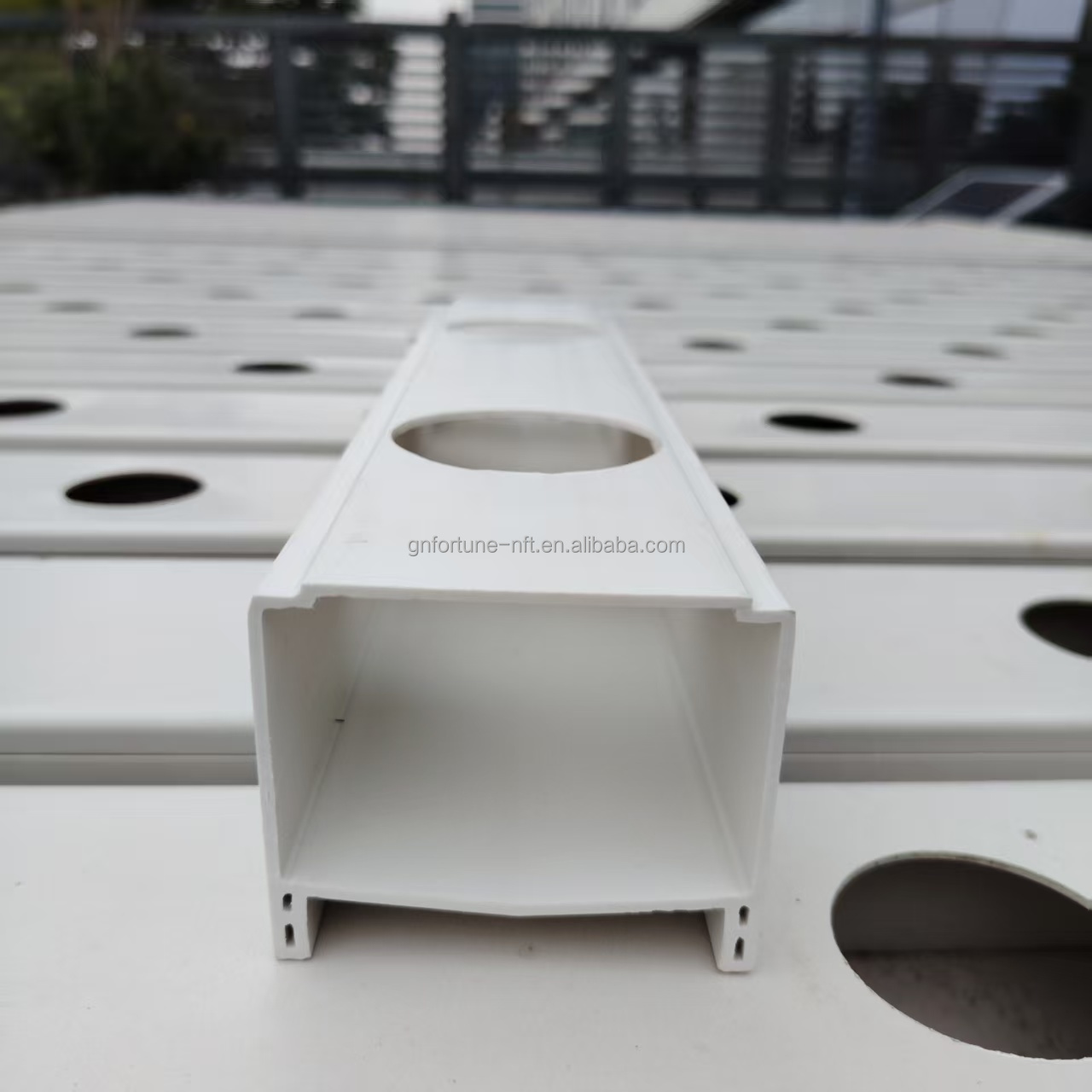
Planting occurs at the entry point with automated tray loading systems. Plants progress through entire growth cycles without manual intervention. Harvesting takes place at the exit point where mature crops are removed and new seedlings loaded in a continuous production loop.
Climate Control Integration
Moving gully systems integrate seamlessly with greenhouse climate control infrastructure. Environmental sensors positioned along the growing zone provide real-time feedback to HVAC systems, enabling precise zone-by-zone temperature and humidity adjustment.
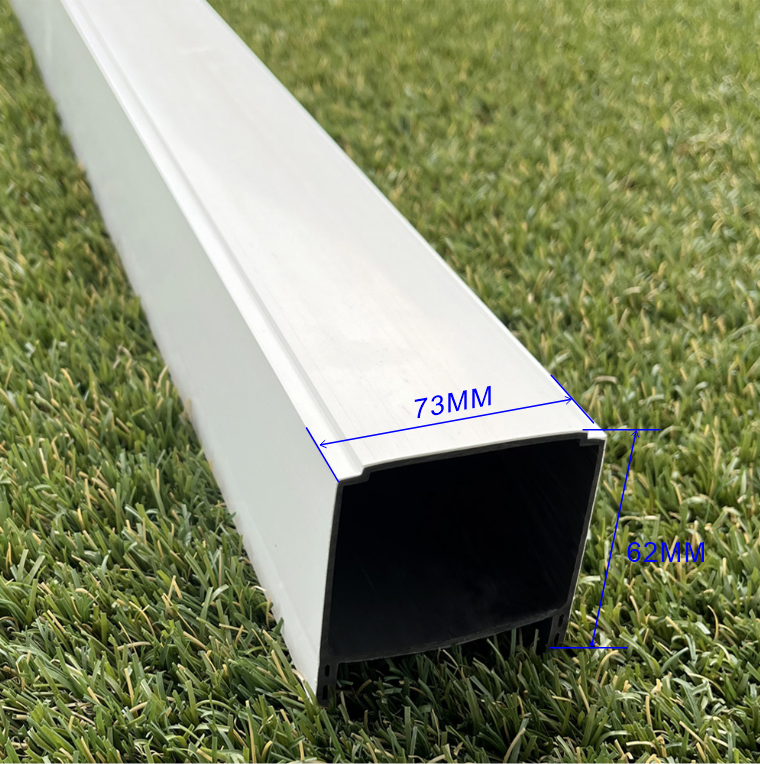
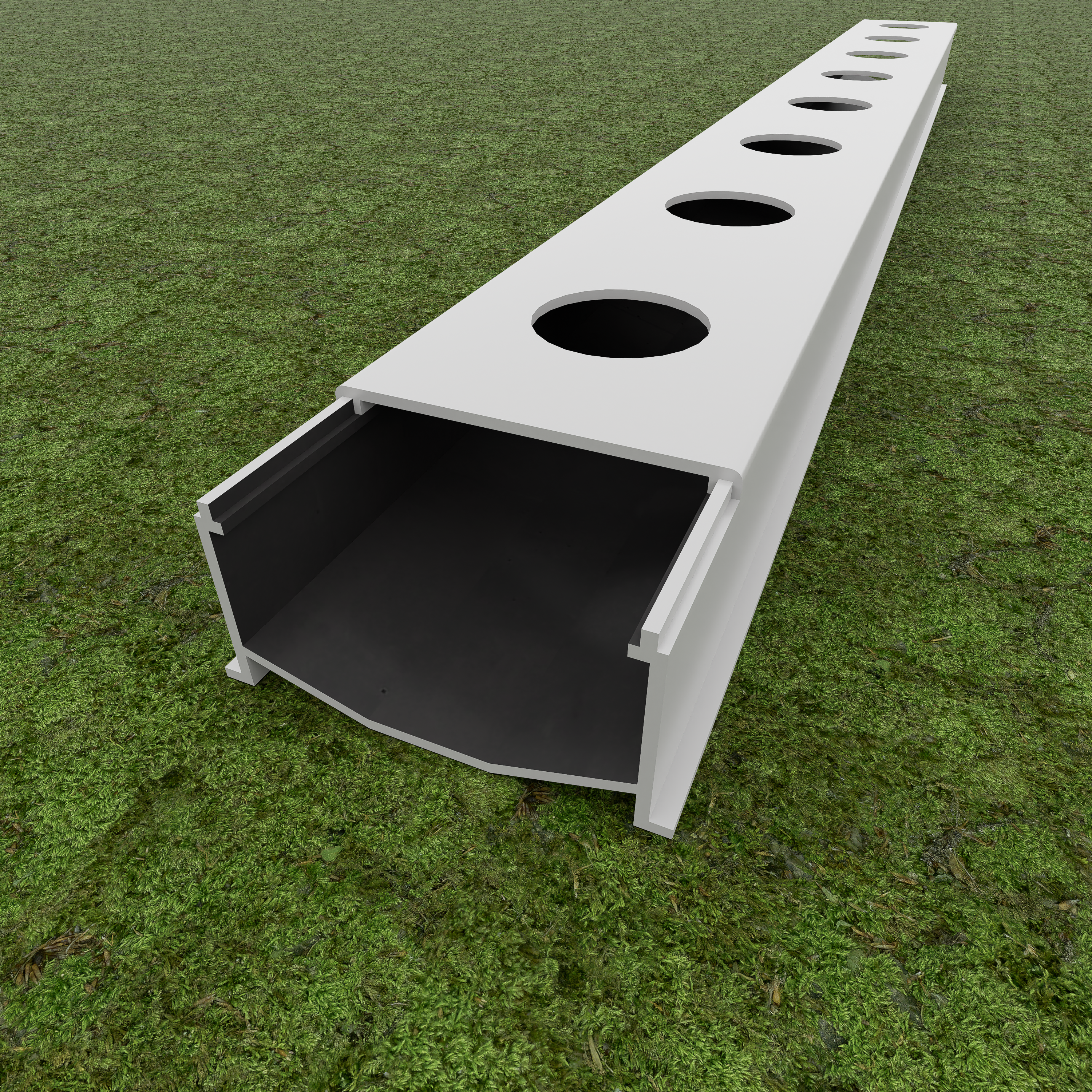
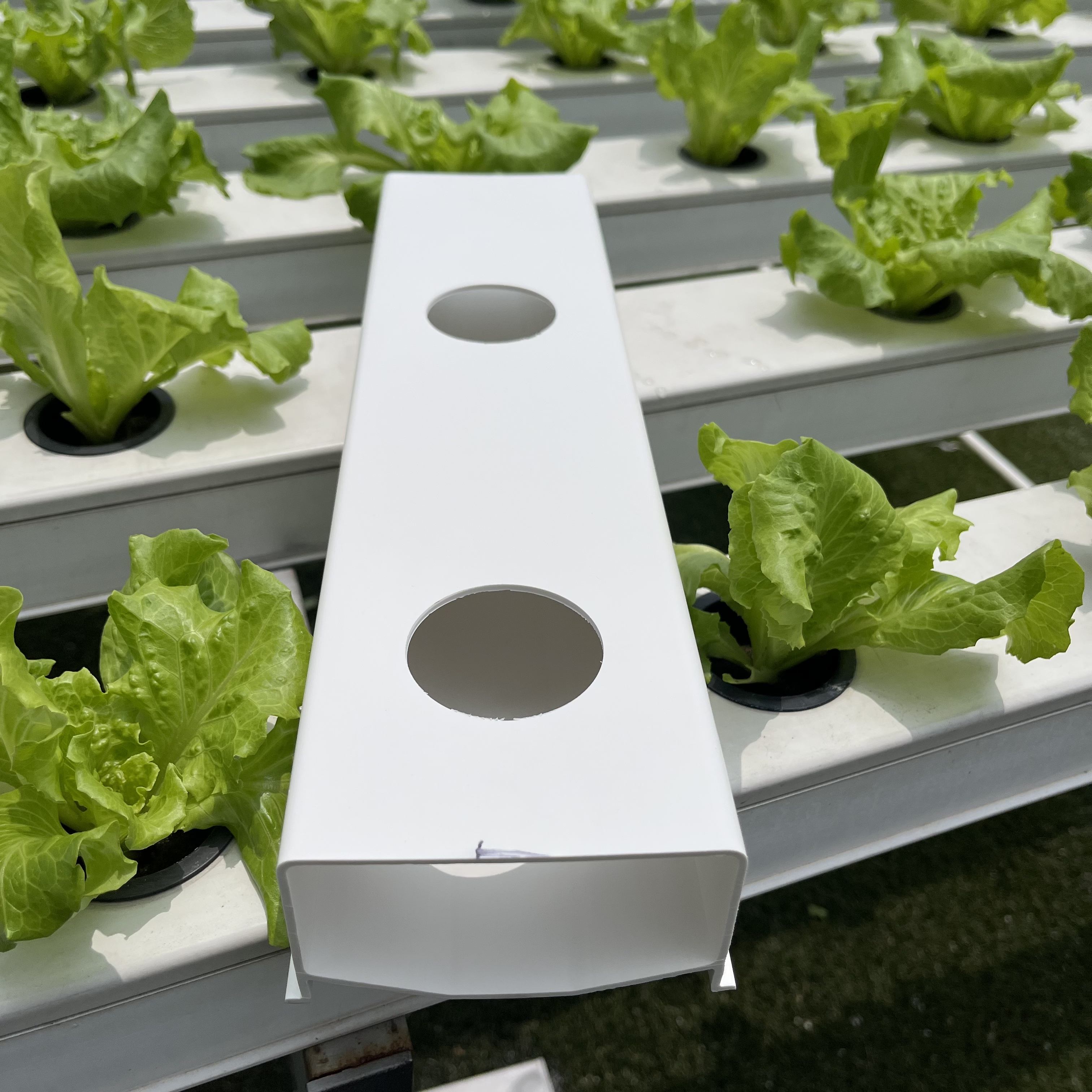
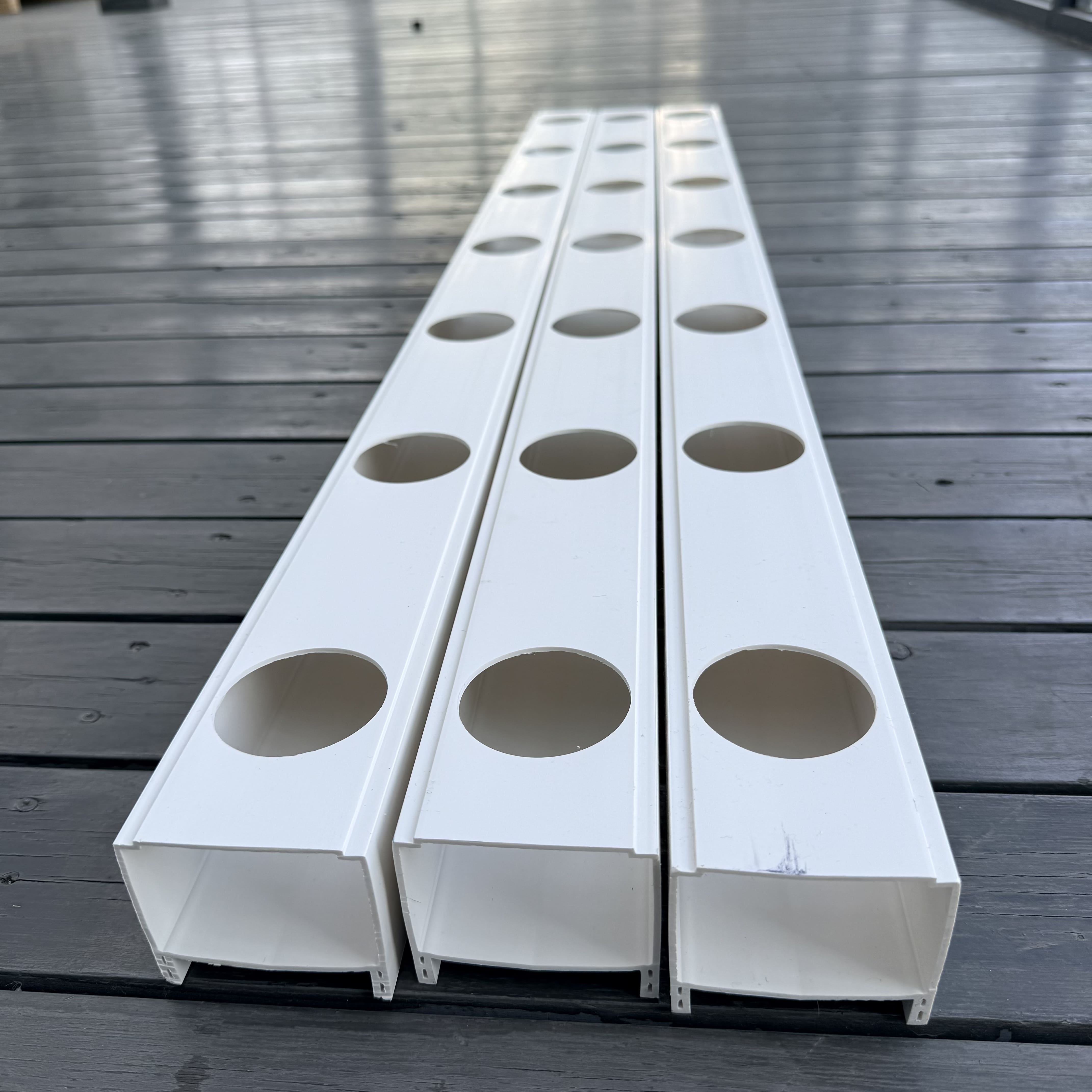
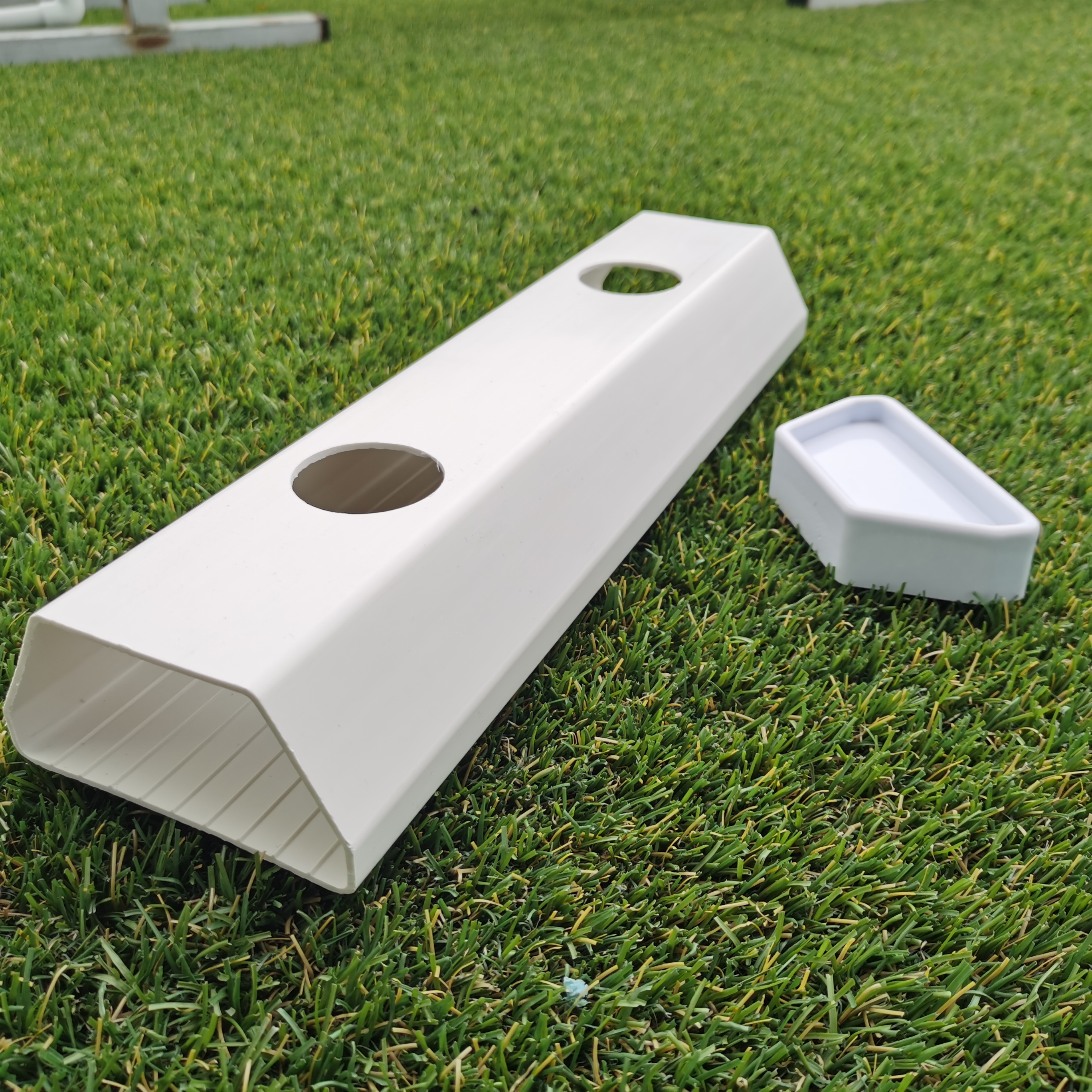
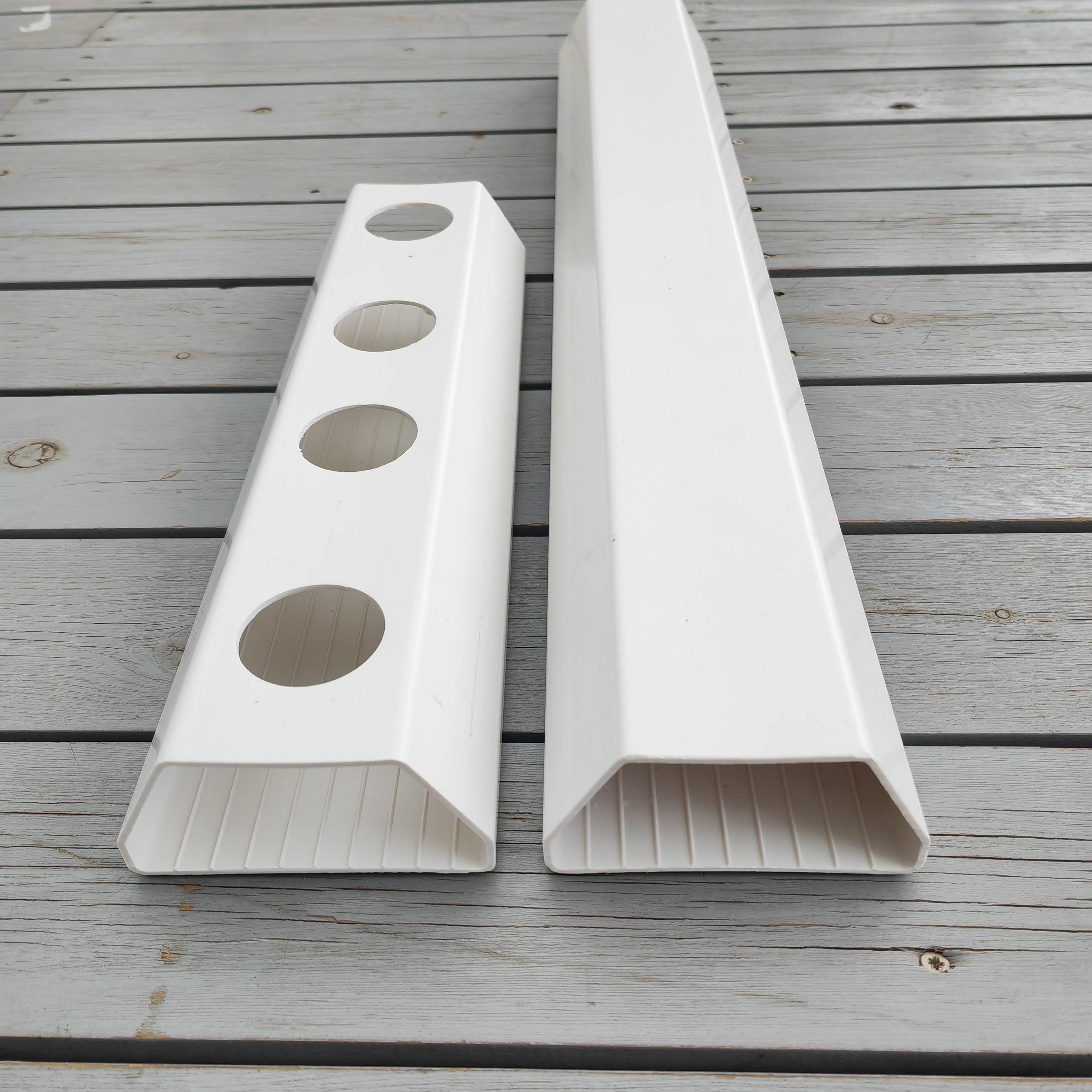
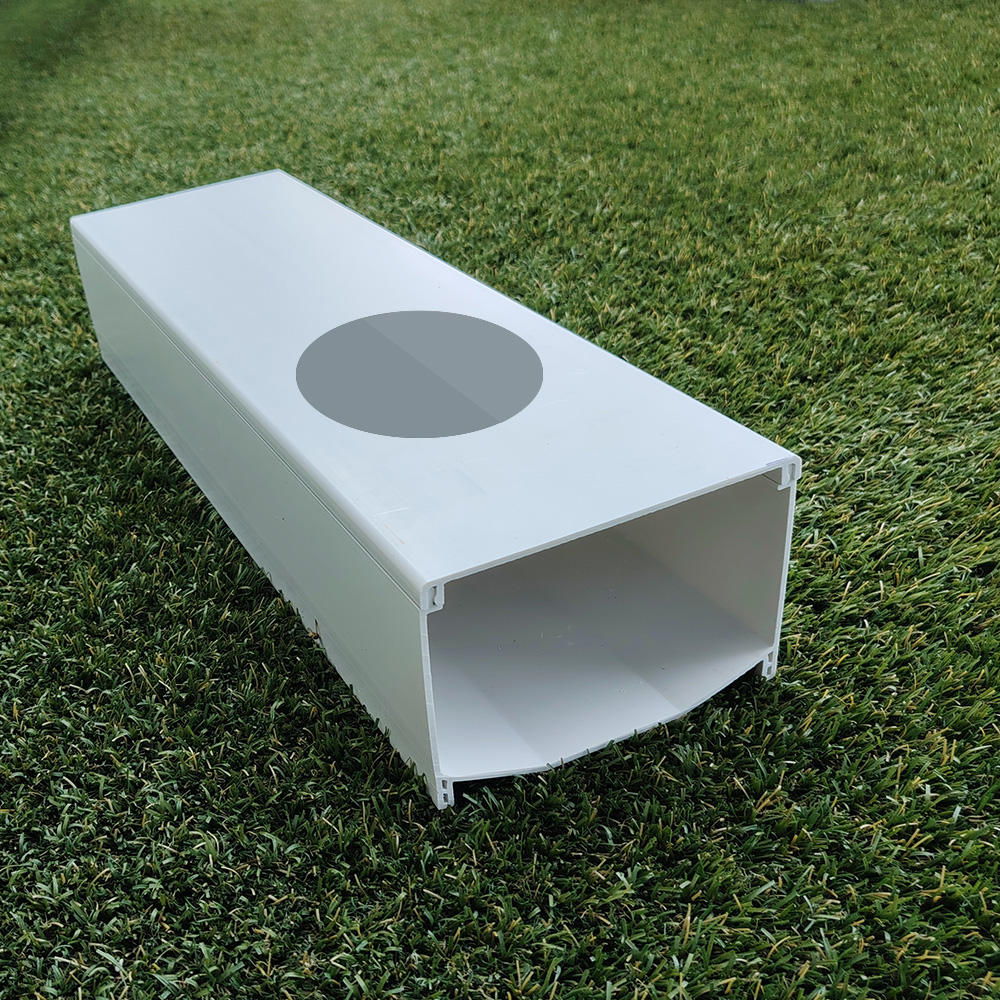
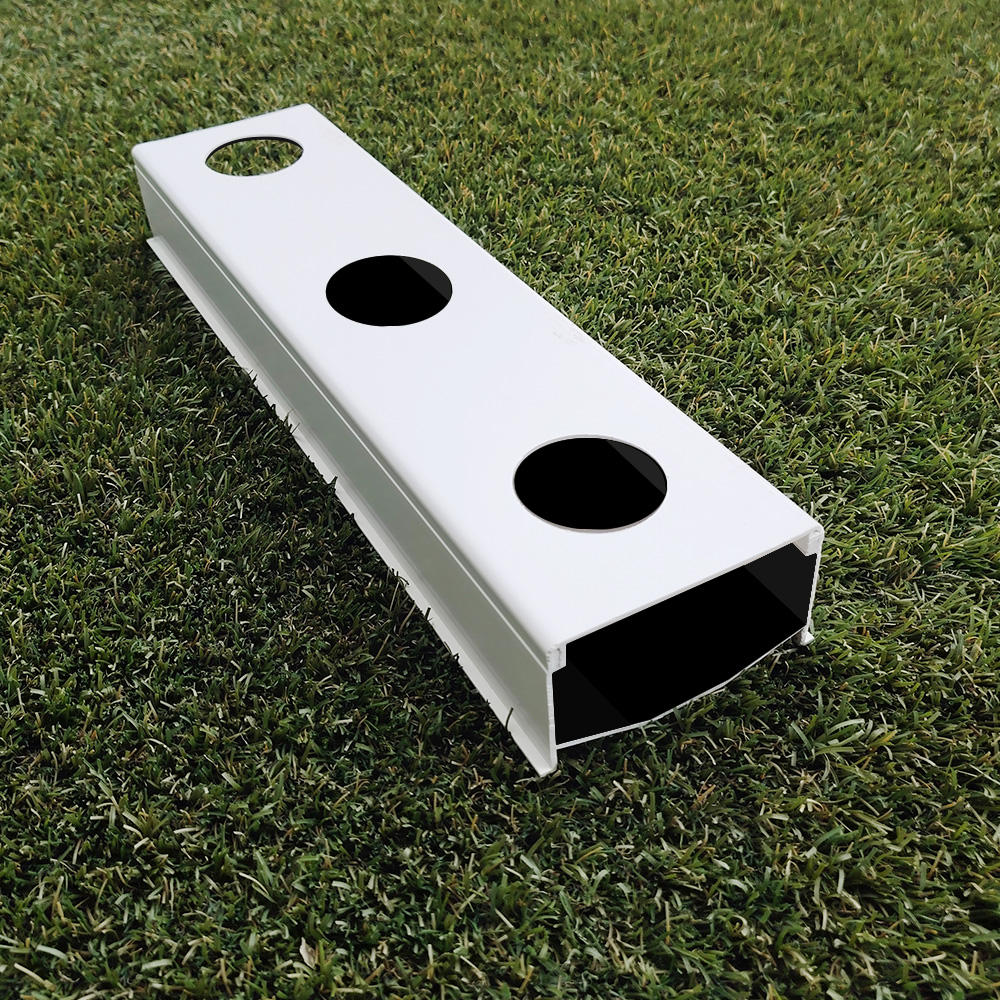
Anti-UV channel materials protect root systems from harmful radiation while maintaining optimal growing temperatures. The closed channel design reduces evaporation losses and maintains consistent humidity levels critical for NFT system performance.
Production Capacity Calculations
A single moving gully lane operating at standard conveyor speed processes approximately 800-1200 plants daily depending on crop cycle length. Commercial installations typically incorporate 10-50 lanes operating in parallel, enabling daily production capacity of 8,000-60,000 plants.
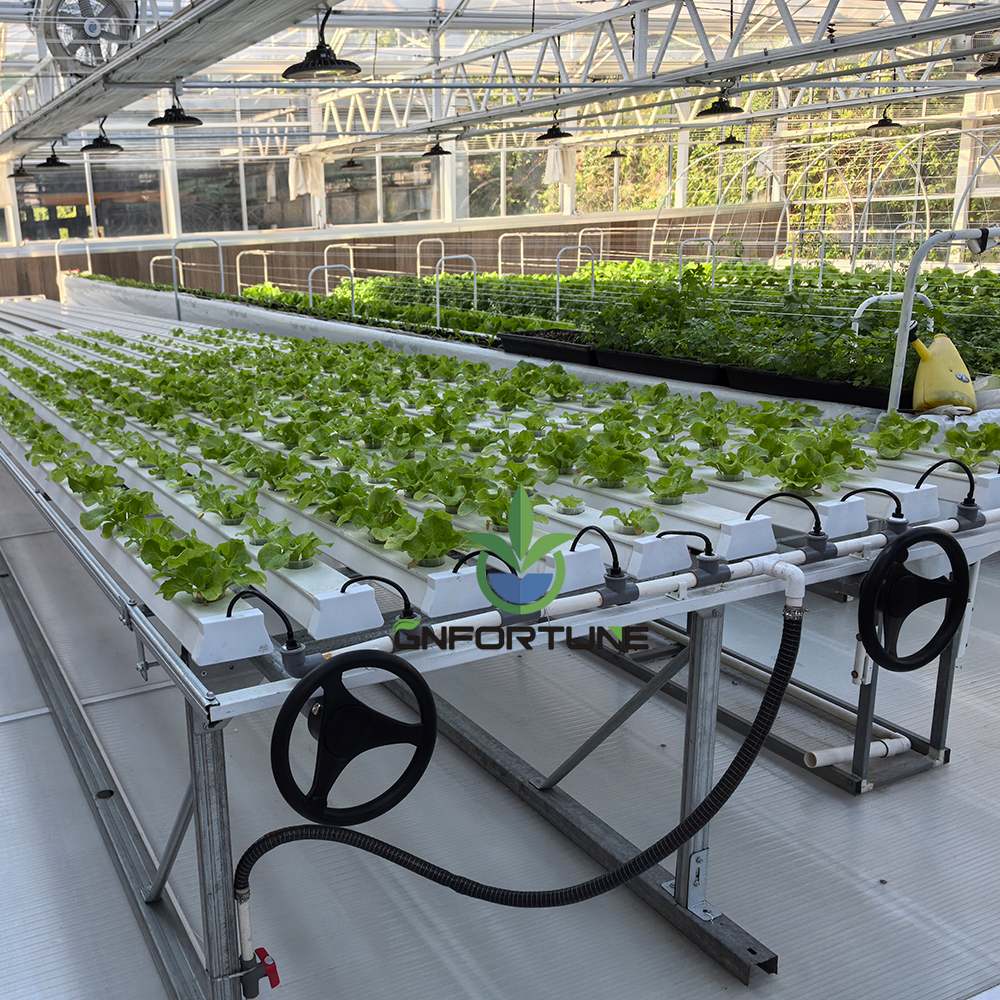
Facility footprint calculations account for conveyor geometry, maintenance corridors, and infrastructure zones. Typical moving gully installations require 800-1200 square meters per 10,000 plant daily capacity, significantly more efficient than equivalent stationary channel layouts.
Economic Analysis
Initial capital investment for moving gully systems ranges from $150-300 per plant capacity, higher than stationary alternatives. However, the 40-60% labor reduction typically achieves payback within 18-30 months for commercial operations.
Additional economic benefits include reduced quality variation waste, consistent product sizing enabling premium market positioning, and improved worker ergonomics reducing injury-related costs. Operations reporting total cost reductions of 25-35% compared to conventional NFT approaches after full system optimization.
Implementation Considerations
Successful moving gully implementation requires careful attention to system integration and operational procedures. Electrical reliability becomes critical since conveyor stoppages affect entire production volumes rather than localized channel sections. Backup power systems and rapid-response maintenance protocols are essential operational requirements.
Nutrient solution management must accommodate continuous flow patterns rather than batch processing approaches. Larger reservoir volumes and more sophisticated filtration systems maintain solution quality across continuous production operations.
