
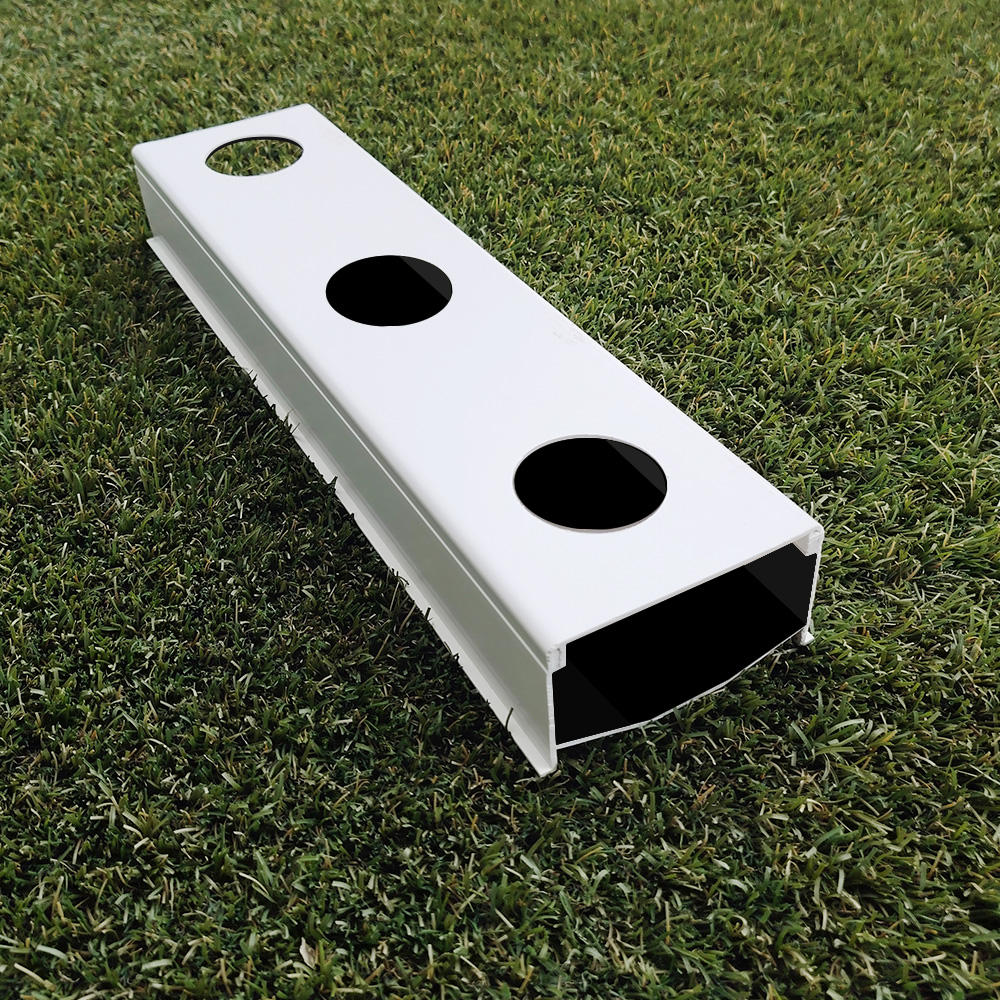
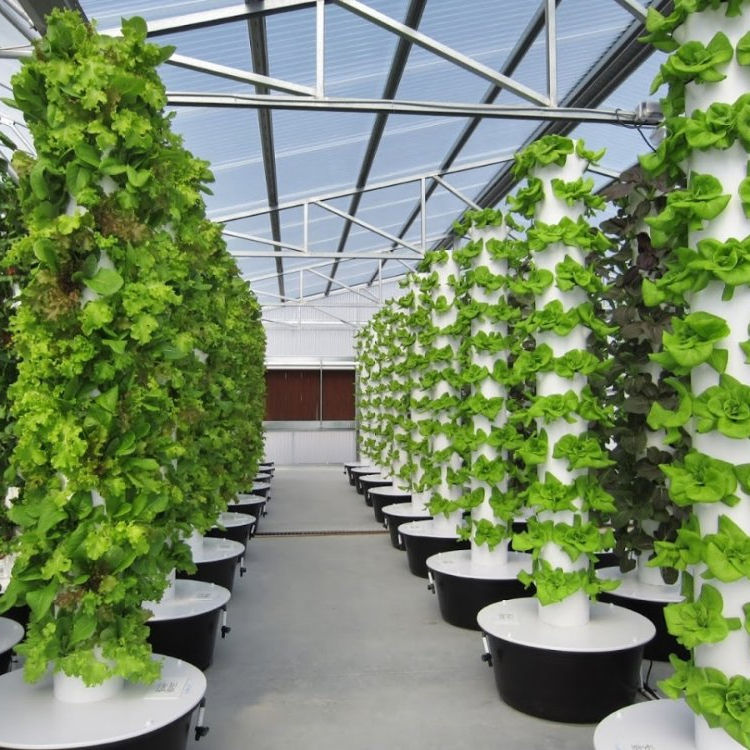
The Space Revolution in Commercial Hydroponics
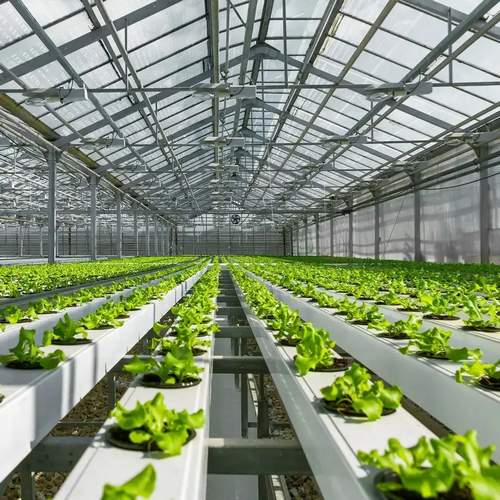
As urbanization accelerates and available agricultural land shrinks, vertical tower hydroponics has emerged as the most space-efficient solution for commercial food production. A single vertical tower system can produce the equivalent of 5-8 square meters of traditional growing area, making it ideal for rooftop farms, warehouse installations, and urban greenhouse complexes.
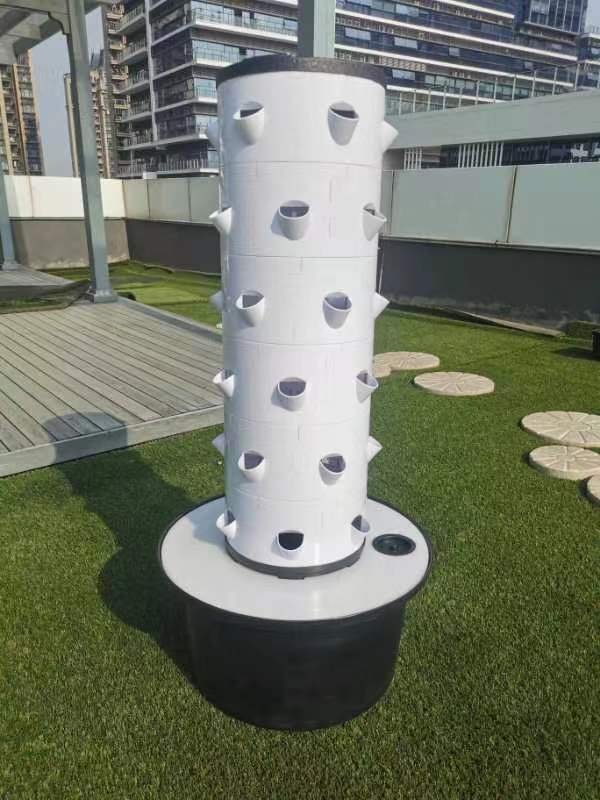
Tower Design and Growing Channels
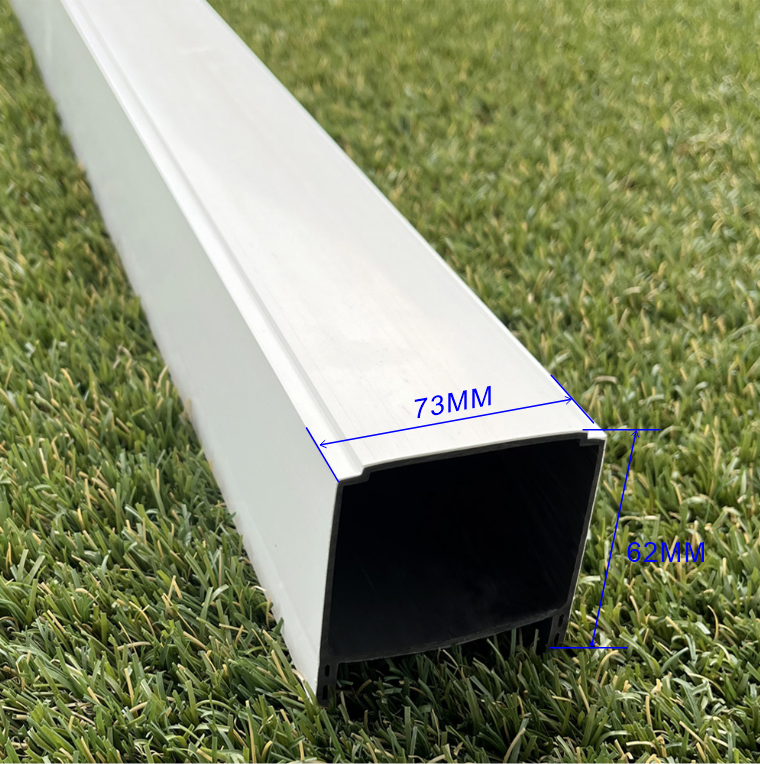
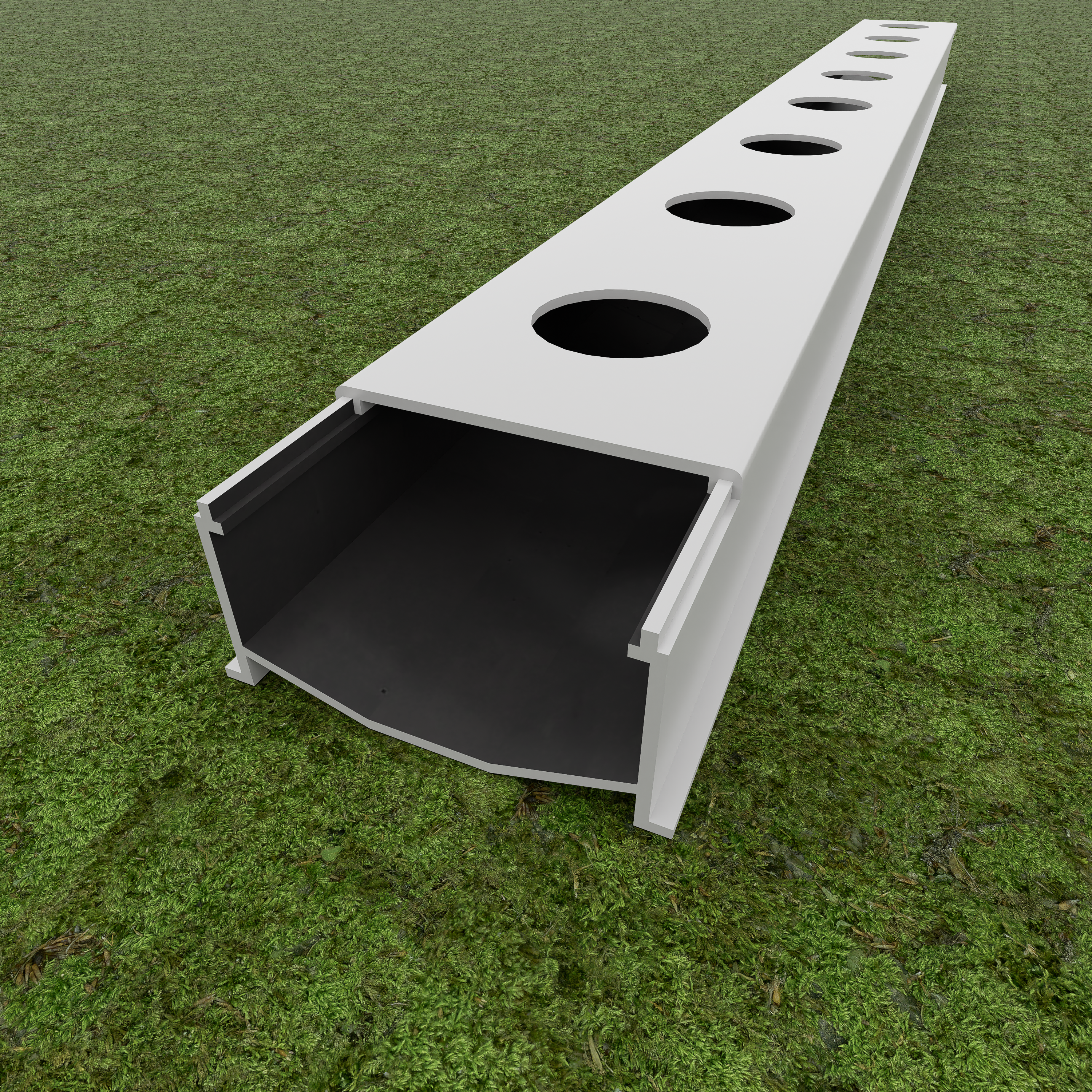
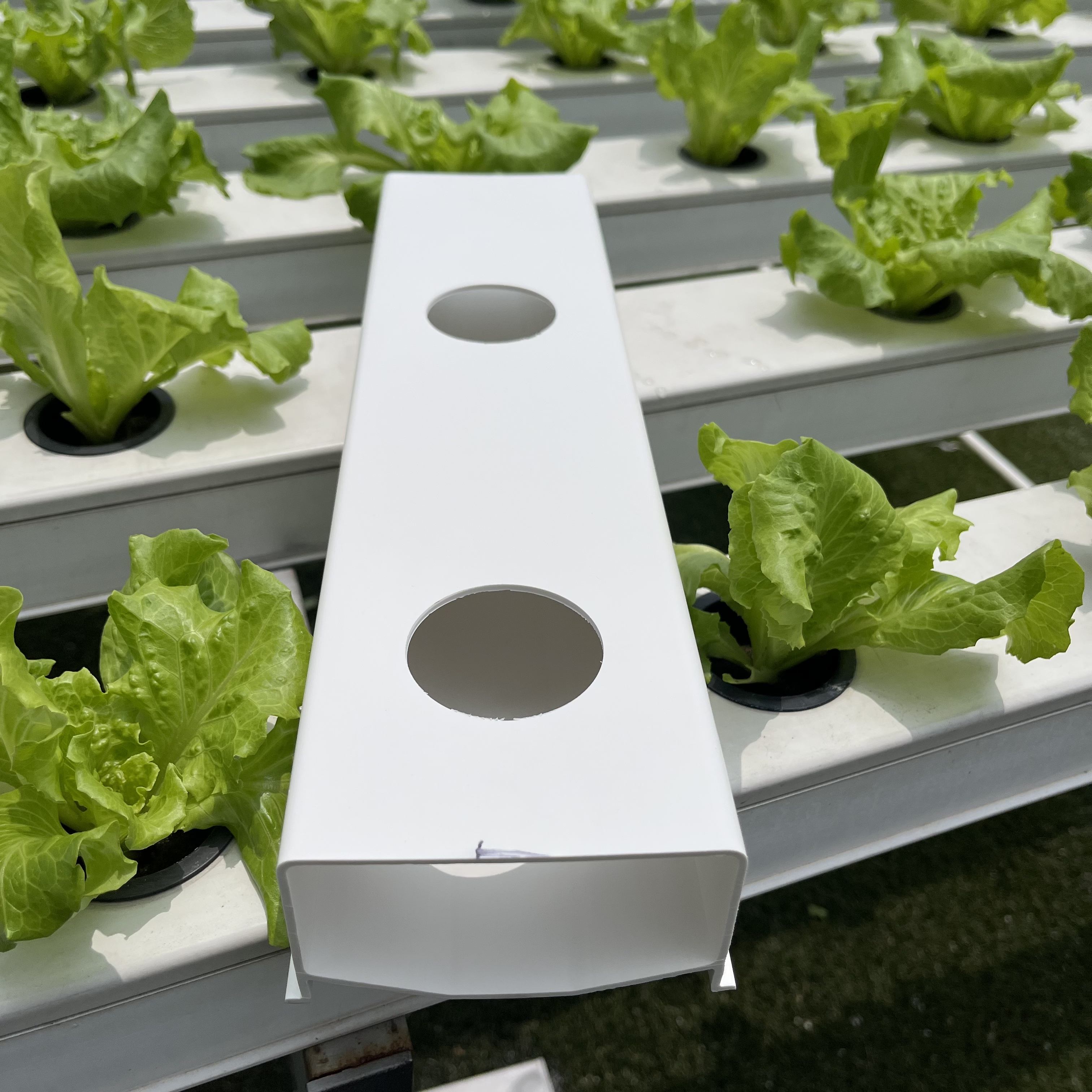
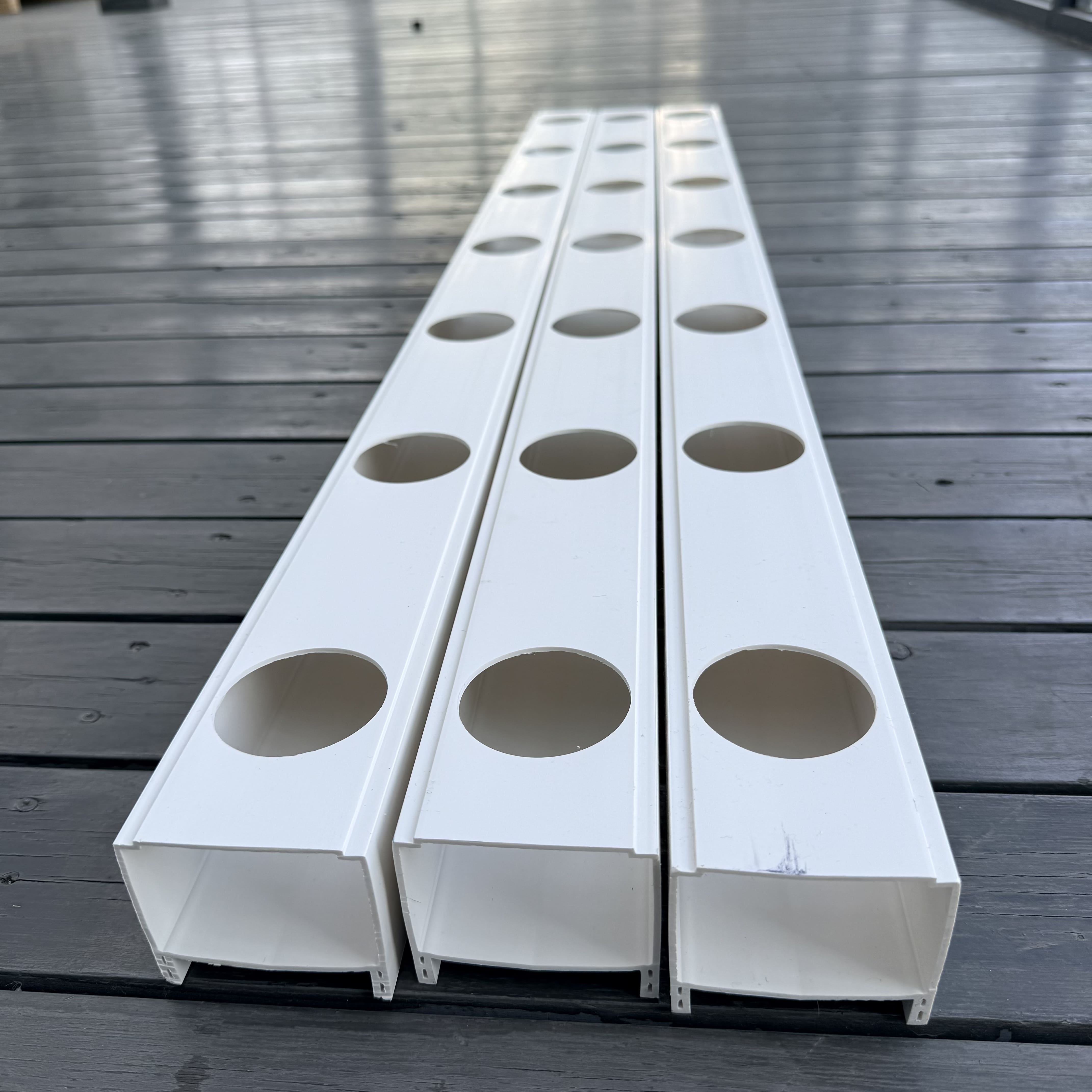
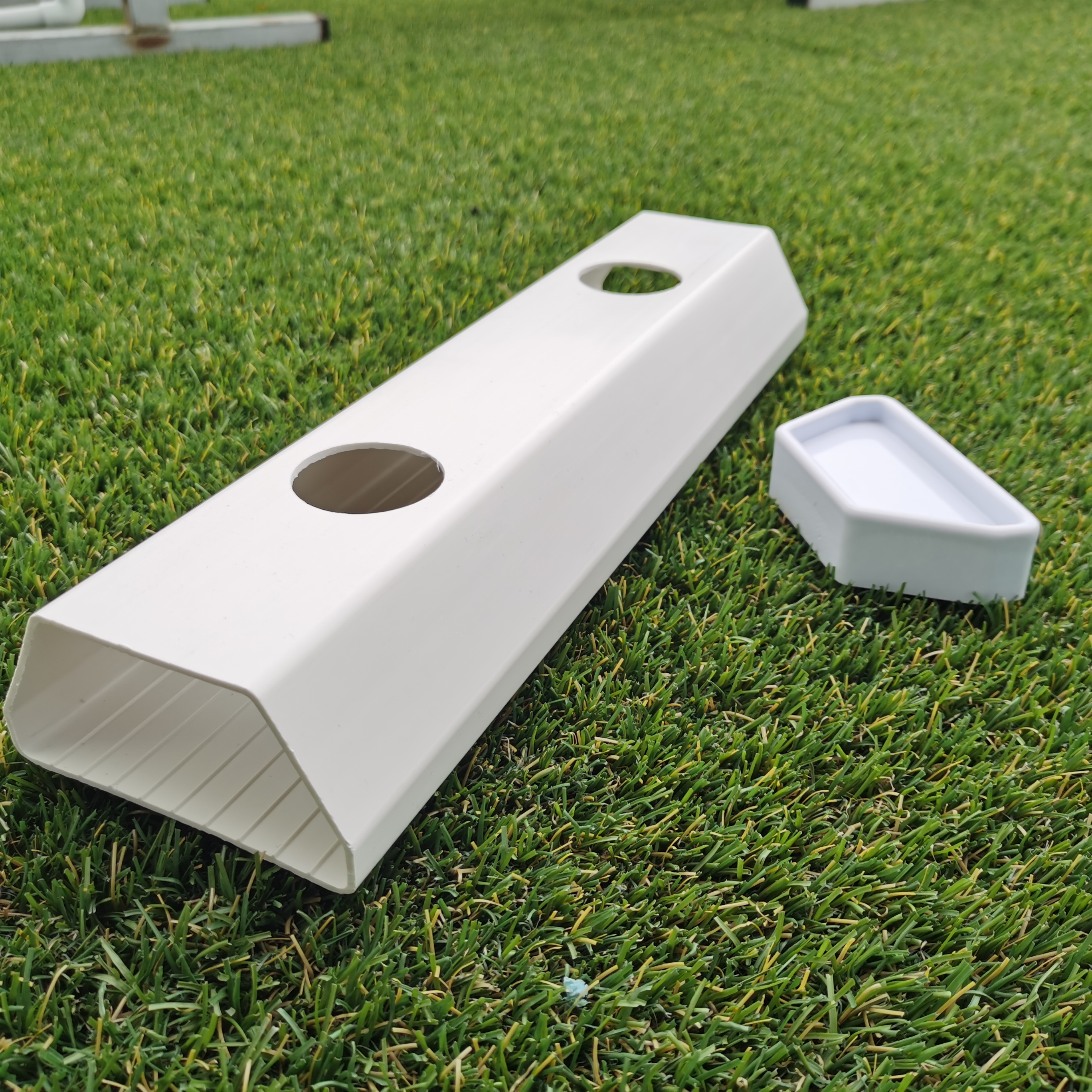
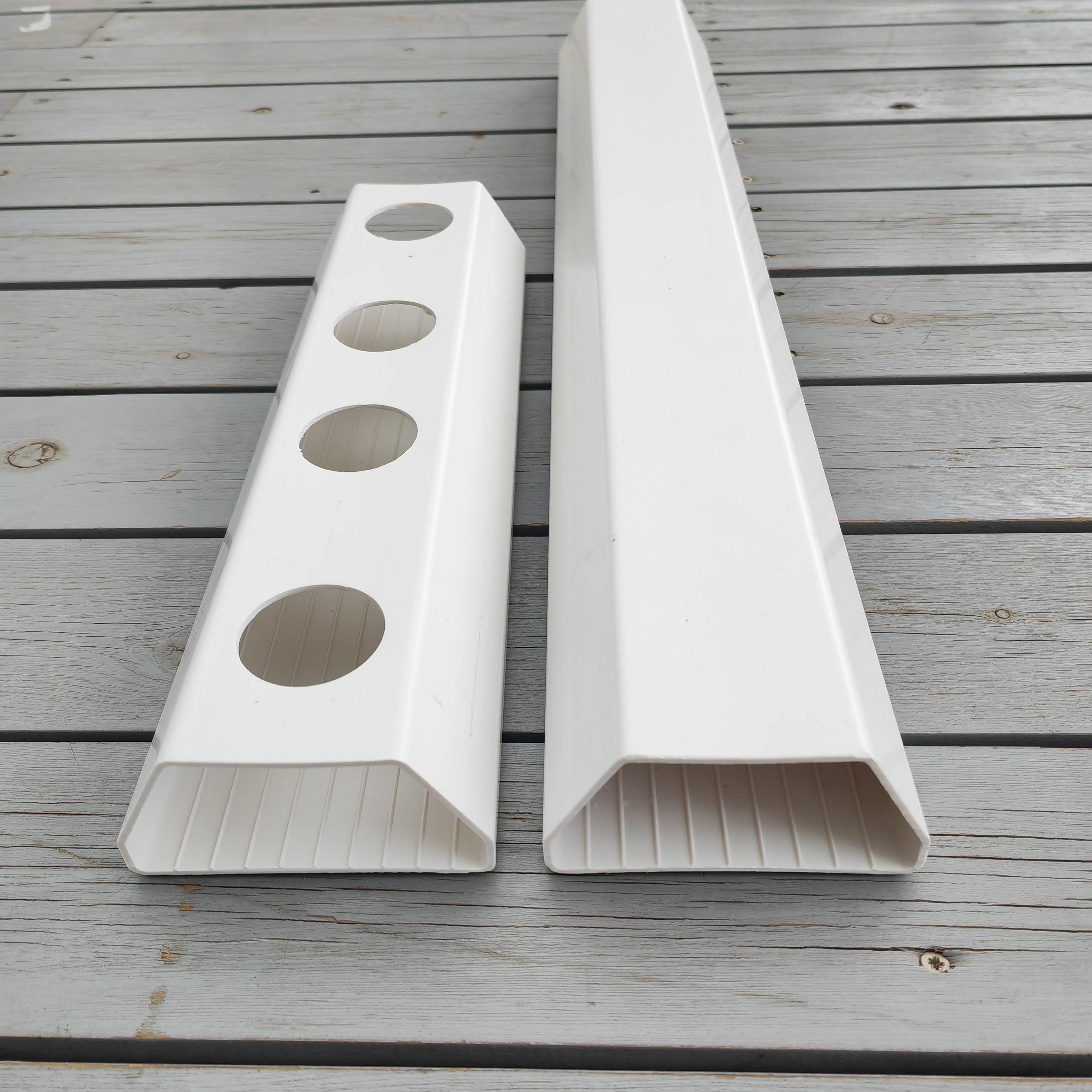
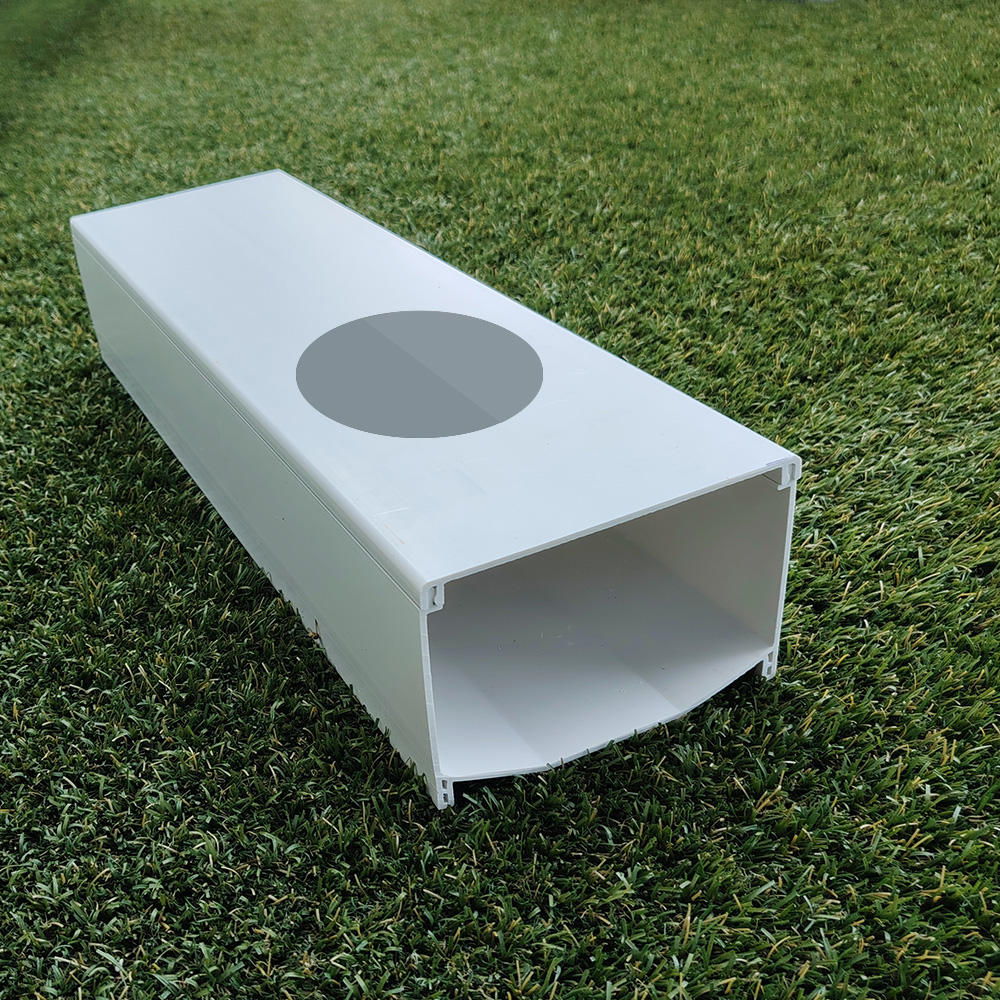
Modern vertical towers consist of stacked growing channels, each housing 8-16 plant sites depending on crop type. The 4th generation vertical towers feature anti-UV polyethylene construction, improved drainage systems, and modular configurations that allow growers to customize tower height and density based on available space and crop requirements.

Nutrient Delivery Engineering
Vertical systems require careful attention to nutrient flow dynamics. Each tower typically operates on a滴灌 (drip) or nutrient film technique (NFT) hybrid system, delivering precise nutrient solutions to each growing channel while ensuring adequate drainage to prevent root rot.
The key to success with vertical towers is maintaining consistent pressure throughout the system. We recommend using pressure-compensating drippers at each plant site and monitoring EC levels at multiple points along the tower height to ensure uniform nutrition delivery.
Optimal Crop Selection
Vertical towers excel with leafy greens and compact fruiting plants. Optimal crops include lettuce varieties, basil, mint, spinach, strawberries, and compact pepper cultivars. Larger fruiting vegetables like tomatoes require modified tower configurations with reinforced support structures.
Conclusion
Vertical tower hydroponics represents the future of urban agriculture. By maximizing production per square meter while minimizing water consumption and pesticide requirements, these systems enable sustainable commercial food production in environments previously unsuitable for agriculture.
