
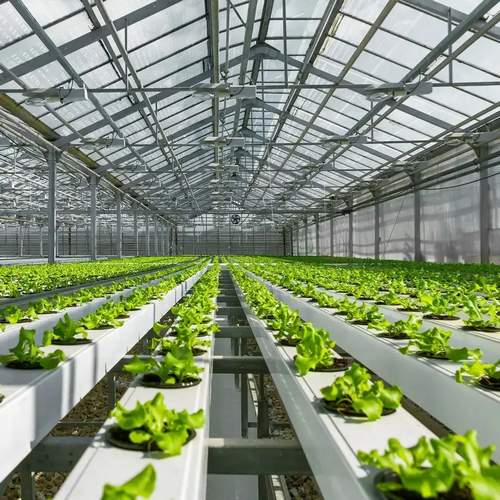
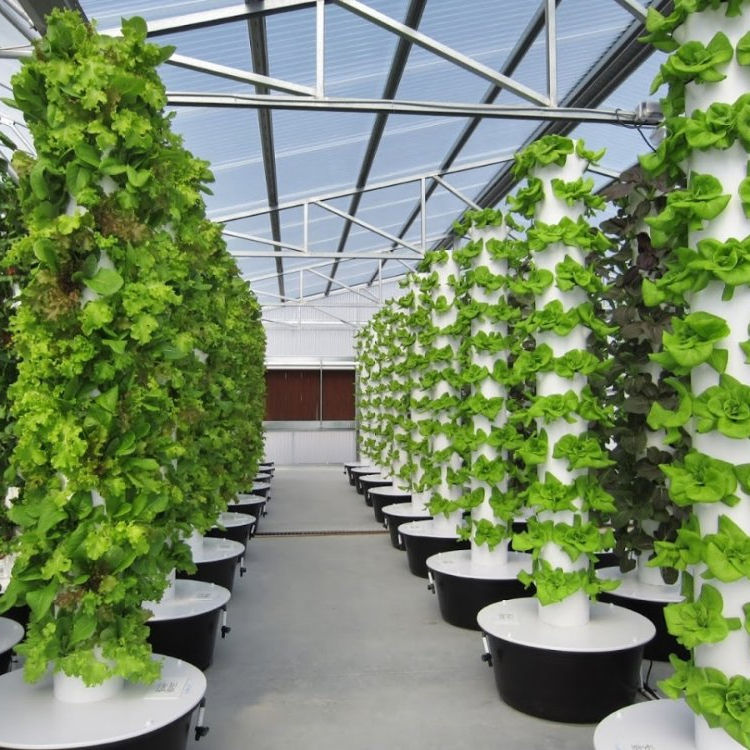
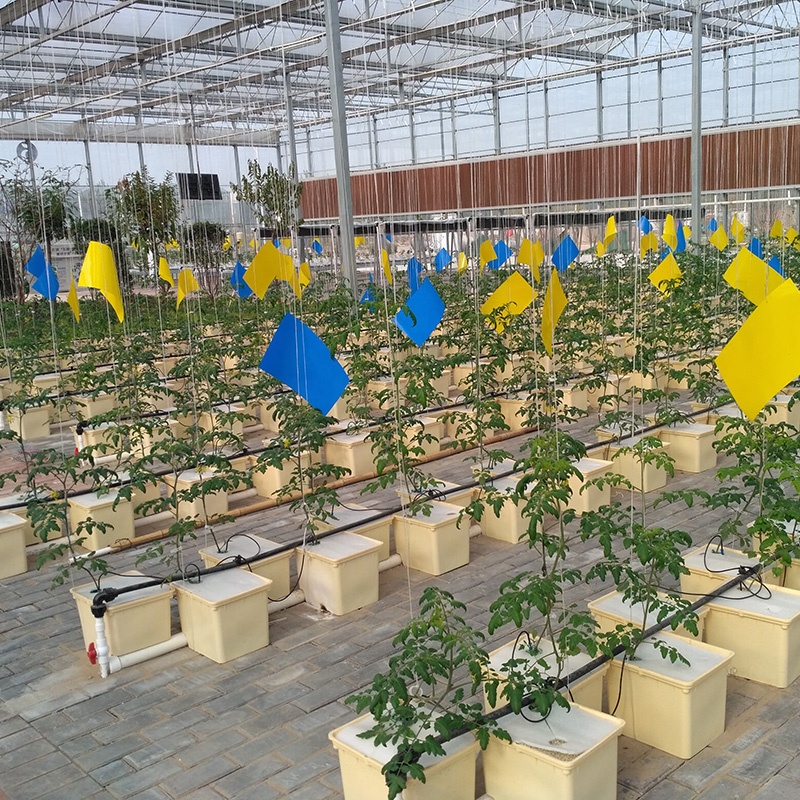
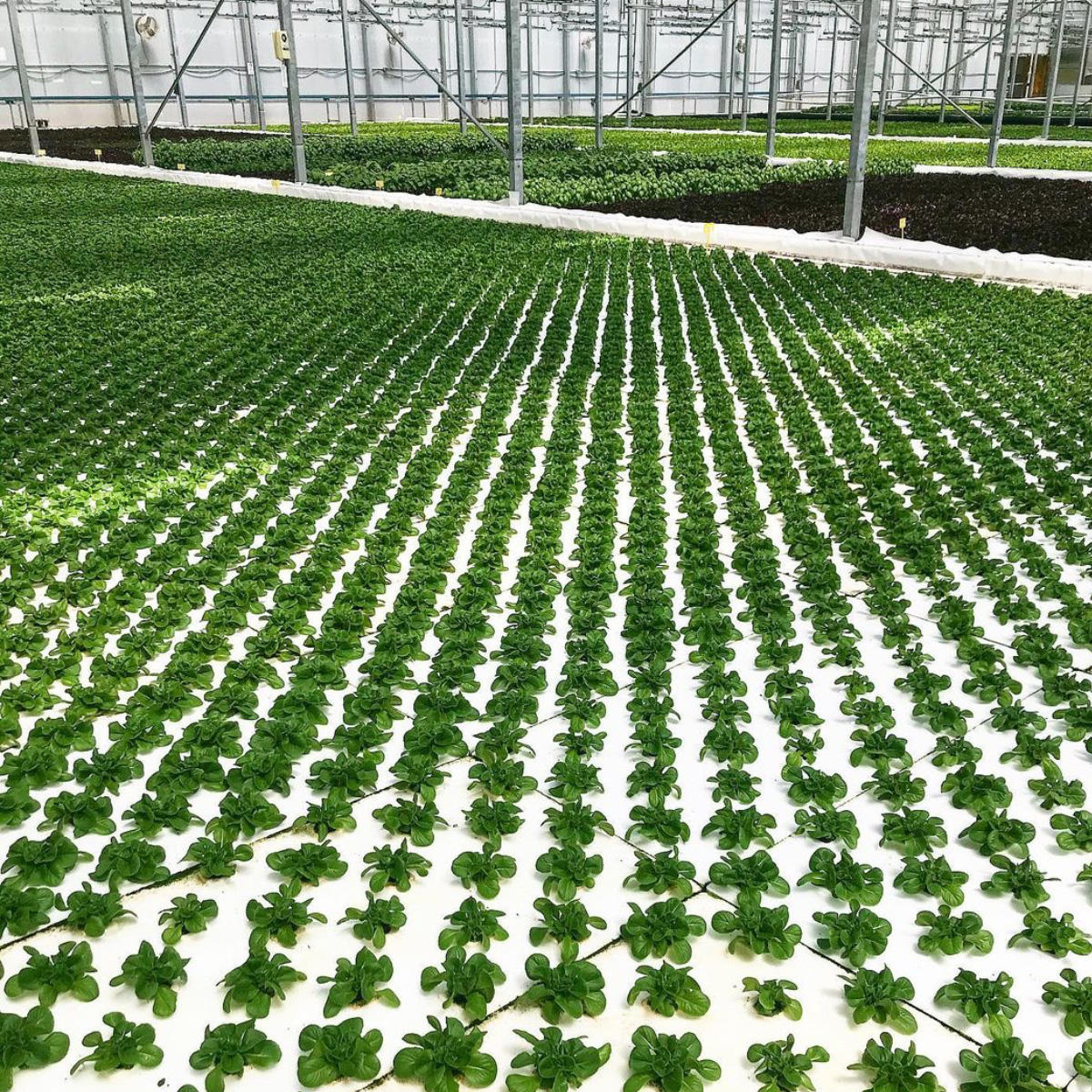

Drip irrigation is the most common watering method used in commercial hydroponic greenhouses worldwide. Unlike NFT's thin film of flowing water, a drip system delivers precise nutrient solution directly to the root zone of each plant through a network of tubing and emitters.

System Components
A complete drip hydroponic system consists of: a nutrient reservoir, a submersible pump, main delivery tubing (usually 16mm or 20mm diameter), sub-main feeder lines, individual drip emitters or dripper stakes, and optionally a solenoid valve with a timer. The emitter is the critical component — it controls the exact flow rate (typically 2-8 L/hr per plant) delivered to each pot or slab.
Drip vs Other Hydroponic Methods

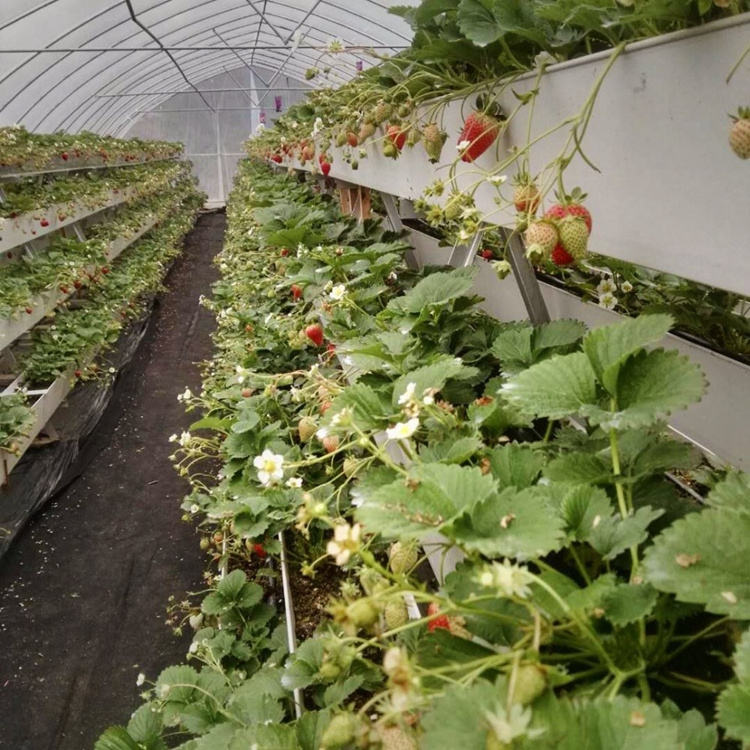
Compared to NFT and DWC, drip systems offer the highest degree of control over per-plant feeding. Each plant receives an individual dose of nutrient solution on a timed cycle — typically 3-6 times per day for most fruiting crops. This makes drip ideal for larger plants like tomatoes, peppers, cucumbers, and strawberries that have high and variable water demands across growth stages.
Emitter Selection Tips
Choose emitters based on two parameters: flow rate and pressure compensation. Pressure-compensating (PC) emitters maintain consistent flow regardless of pressure fluctuations in the line — essential when your system has elevation changes or long runs. Non-PC emitters are cheaper but can produce uneven watering on slopes.
For substrate-based growing (rock wool slabs, coco coir bags), 2-4 L/hr emitters are standard. For deeper aggregate media like clay pebbles, 8 L/hr emitters prevent dry zones between watering cycles.
