
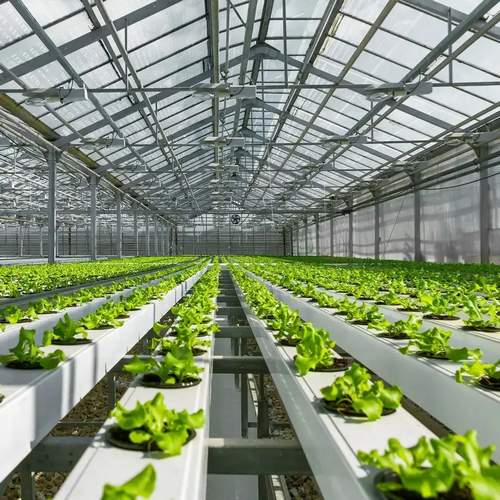
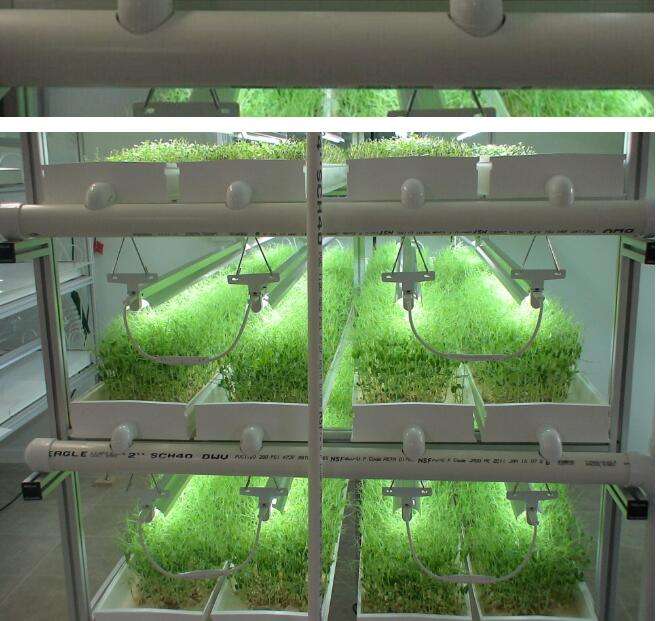
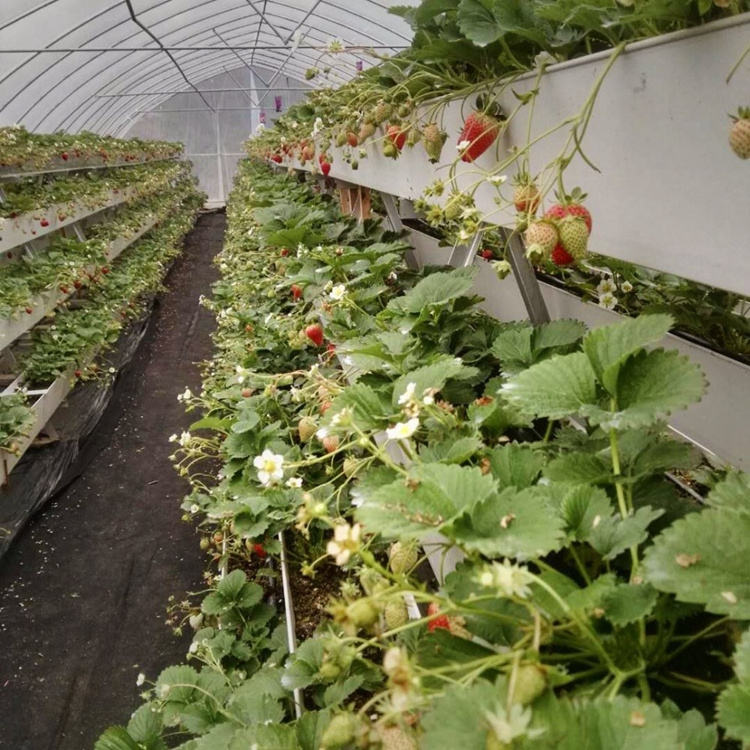

Nutrient solution chemistry management in NFT channels presents unique challenges compared to other hydroponic systems, primarily because the thin-film nature of NFT exposes nutrient solution to atmospheric conditions along the entire channel length, accelerating pH drift and CO2 exchange in ways that deep-water culture or drip irrigation systems do not experience.

The continuous flow of nutrient solution through NFT channels creates constant aeration as the thin liquid film cascades from supply header to drainage outlet. This aeration effect substantially increases dissolved oxygen levels compared to static nutrient reservoirs, with well-designed NFT systems routinely maintaining DO levels above 6 mg/L without supplemental aeration, compared to 4-5 mg/L typical in poorly aerated DWC systems.

pH management in NFT channels requires more frequent monitoring than in aggregate-based systems because the large surface-to-volume ratio of the thin nutrient film accelerates both CO2 absorption from air and alkalinization from plant root activity. Without automatic pH dosing systems, NFT solution pH can drift from the optimal 5.8-6.2 range to 7.0 or higher within 24 hours, significantly reducing iron and phosphorus availability to crops.
Electrical conductivity management in NFT systems must account for the concentration effects that occur as plants transpire throughout the production cycle. As plants remove water molecules from the nutrient solution, remaining ions become proportionally more concentrated, causing EC to rise progressively between reservoir top-ups. Commercial NFT operations typically target an initial EC of 1.2-1.8 mS/cm for lettuce and leafy greens, with drainage EC allowed to reach 2.0-2.5 mS/cm before dilution with fresh nutrient solution.
Dissolved oxygen monitoring in NFT channels reveals significant variation between channel inlet and outlet positions, with DO levels at the downstream end typically 1-2 mg/L lower than at the supply header due to root respiration throughout the channel length. This gradient indicates that NFT channel length should be limited to distances where downstream DO levels remain above 5 mg/L, ensuring all plants receive adequate oxygen for root metabolic functions.
Temperature-driven DO variation presents particular challenges in summer production or tropical greenhouse environments where nutrient solution temperatures can exceed 26°C. Warmer solutions hold significantly less dissolved gas, with DO carrying capacity dropping from 8.3 mg/L at 20°C to approximately 7.0 mg/L at 28°C. NFT operations in warm climates should consider chilled nutrient tanks or ground-level reservoir placement where ambient temperatures remain lower.
Algae control in NFT nutrient channels requires maintaining light-exclusion protocols throughout the production system. Even brief light exposure to nutrient solution in channels triggers algae bloom events that deplete solution nutrients, reduce dissolved oxygen through nocturnal respiration, and create biofilm accumulations that obstruct flow and harbor pathogenic organisms. UV-stabilized channel materials and opaque reservoir covers are essential infrastructure for maintaining solution clarity.
Nutrient solution replacement schedules for NFT operations depend on crop type, environmental conditions, and initial water quality. Lettuce production typically requires complete nutrient solution exchange every 7-14 days, while longer-cycle crops like basil may need more frequent replacement. Monitoring solution color, clarity, and root appearance provides practical indicators that supplement EC and pH measurements in determining optimal replacement timing.
