



Commercial Hydroponic Crop Selection: Matching Plants to System Type and Market Demand

Choosing the right crops for your hydroponic system is one of the most consequential decisions a commercial grower can make. The best-looking NFT channel or Dutch Bucket setup will underperform if the crops selected are poorly suited to the technology, the climate, or the target market.
Match Crop to System Type
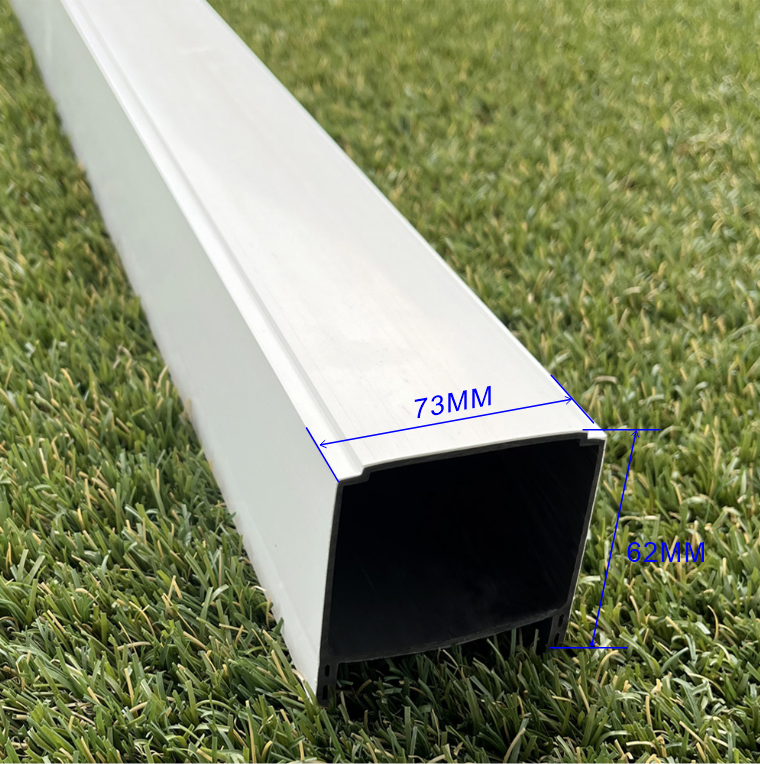
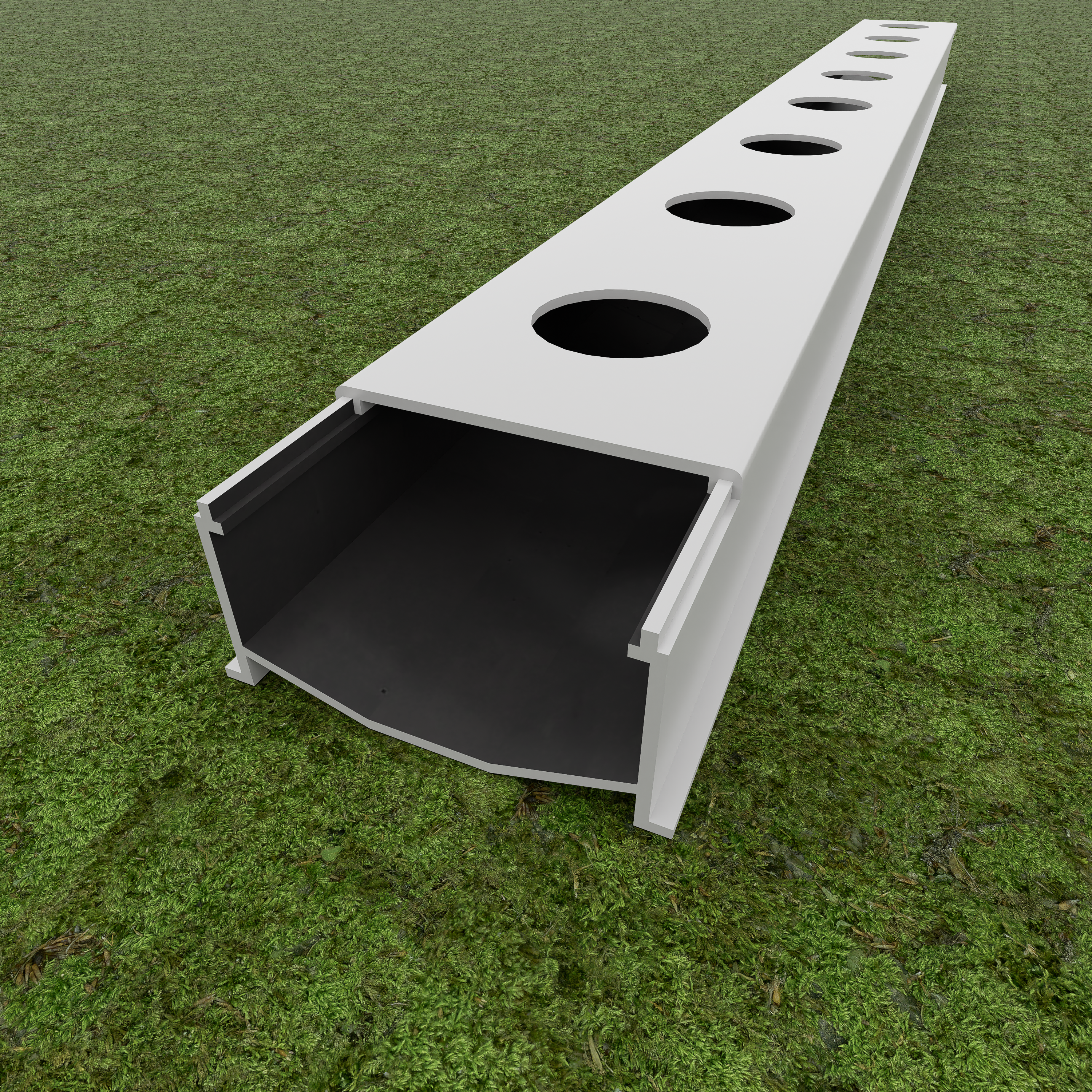
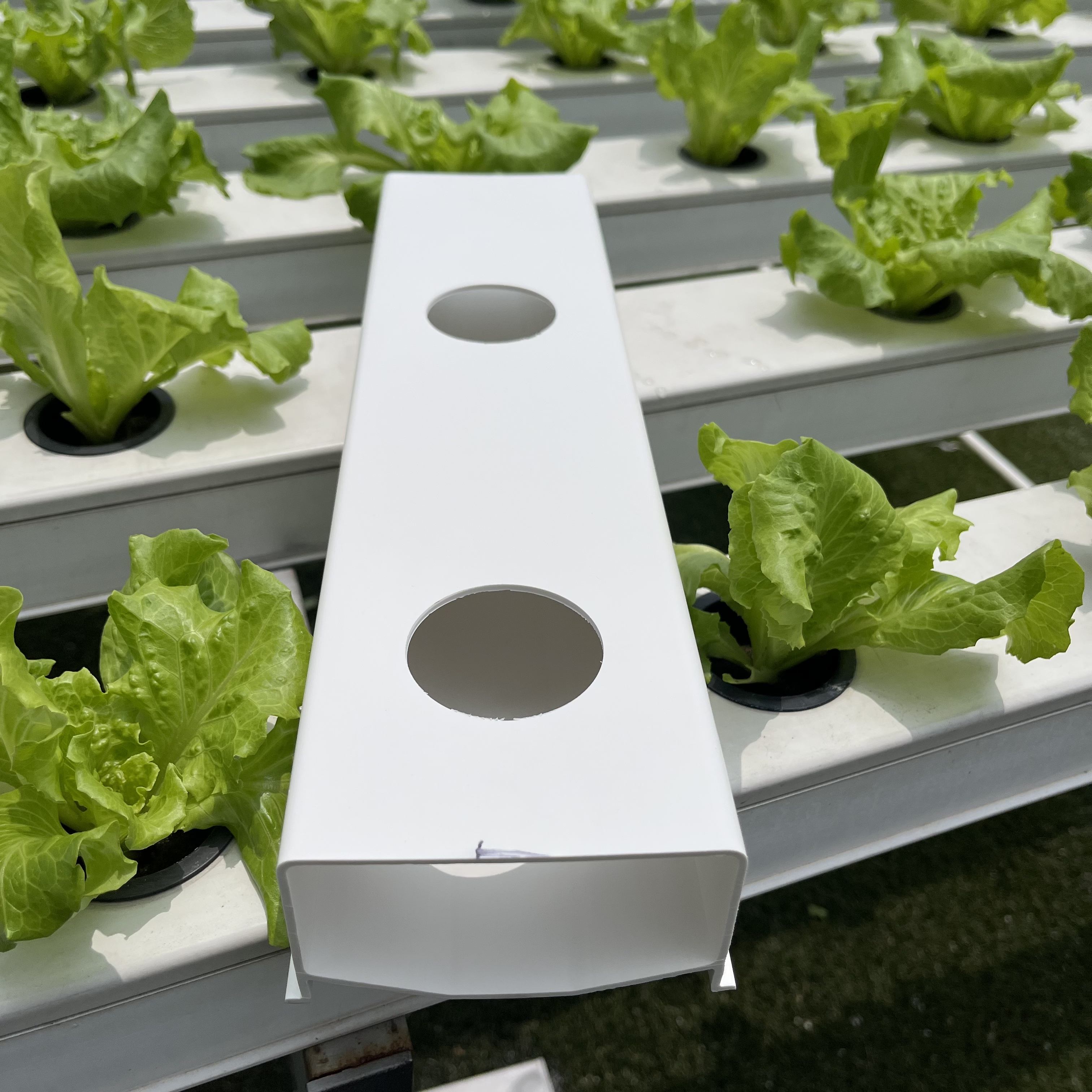
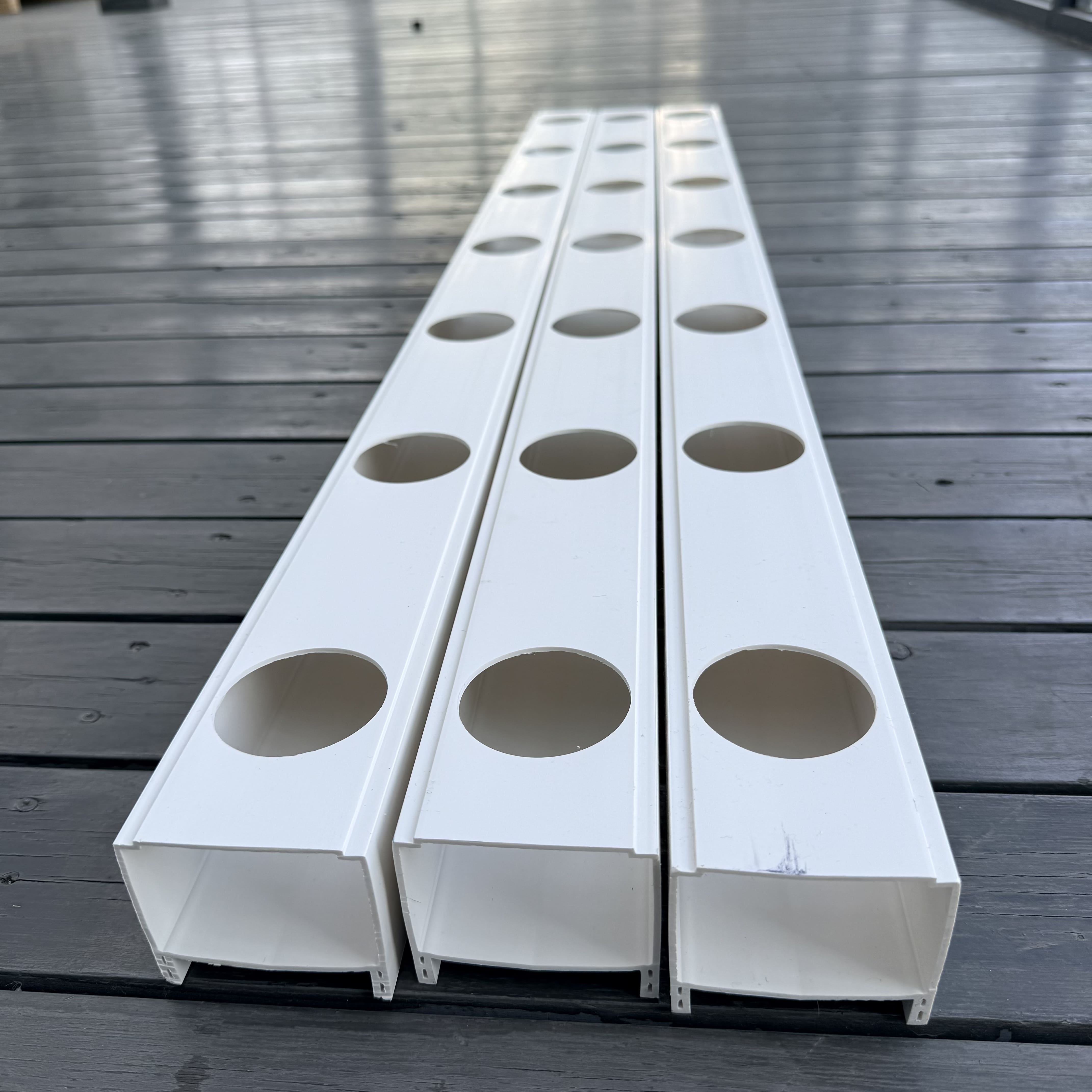
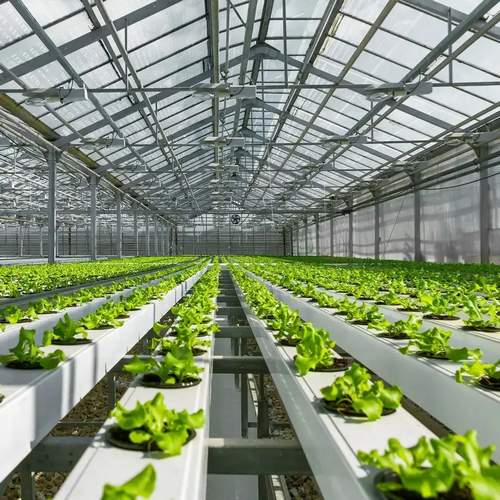
Different hydroponic systems favor different crop categories. NFT channels excel at leafy greens — lettuce, spinach, basil, and cilantro — where rapid, consistent growth and proximity to harvest matter more than deep root structure. The shallow, fast-flowing nutrient film provides exactly what these crops need.
Dutch Bucket systems handle larger fruiting plants exceptionally well. Tomatoes, peppers, cucumbers, and eggplant develop extensive root systems that thrive in the individual bucket environment. The recirculating drip irrigation ensures consistent moisture and nutrient delivery to high-yield plants.
For strawberries, gutter-based systems have become the commercial standard, with carefully calibrated slope gradients ensuring even water distribution across all plants in the row.
Consider Market Timing and Price Cycles
Commercial operators should align crop selection with market price cycles. Leafy greens command premium prices in early spring and late autumn when outdoor production is limited. Tomatoes and peppers have different seasonal pricing curves. A well-planned operation staggers plantings to maintain consistent volume during high-price windows.
Labor Intensity Matters
Fruiting crops require significantly more labor — pruning, trellising, pollination, and harvesting are all hands-on. Leafy greens and herbs can be harvested in a single cut, dramatically reducing per-unit labor costs. For operations with limited staffing, starting with leafy greens and graduating to fruiting crops as the team scales is often the prudent path.
Start Simple, Scale Strategically
Our recommendation for new commercial growers: begin with one or two crop categories on a proven system type. Master the nutrient formulas, environmental controls, and harvest logistics before expanding variety. The most successful operations are built on fundamentals executed consistently, not on growing every crop simultaneously.
