
Introduction to NFT Channel Technology
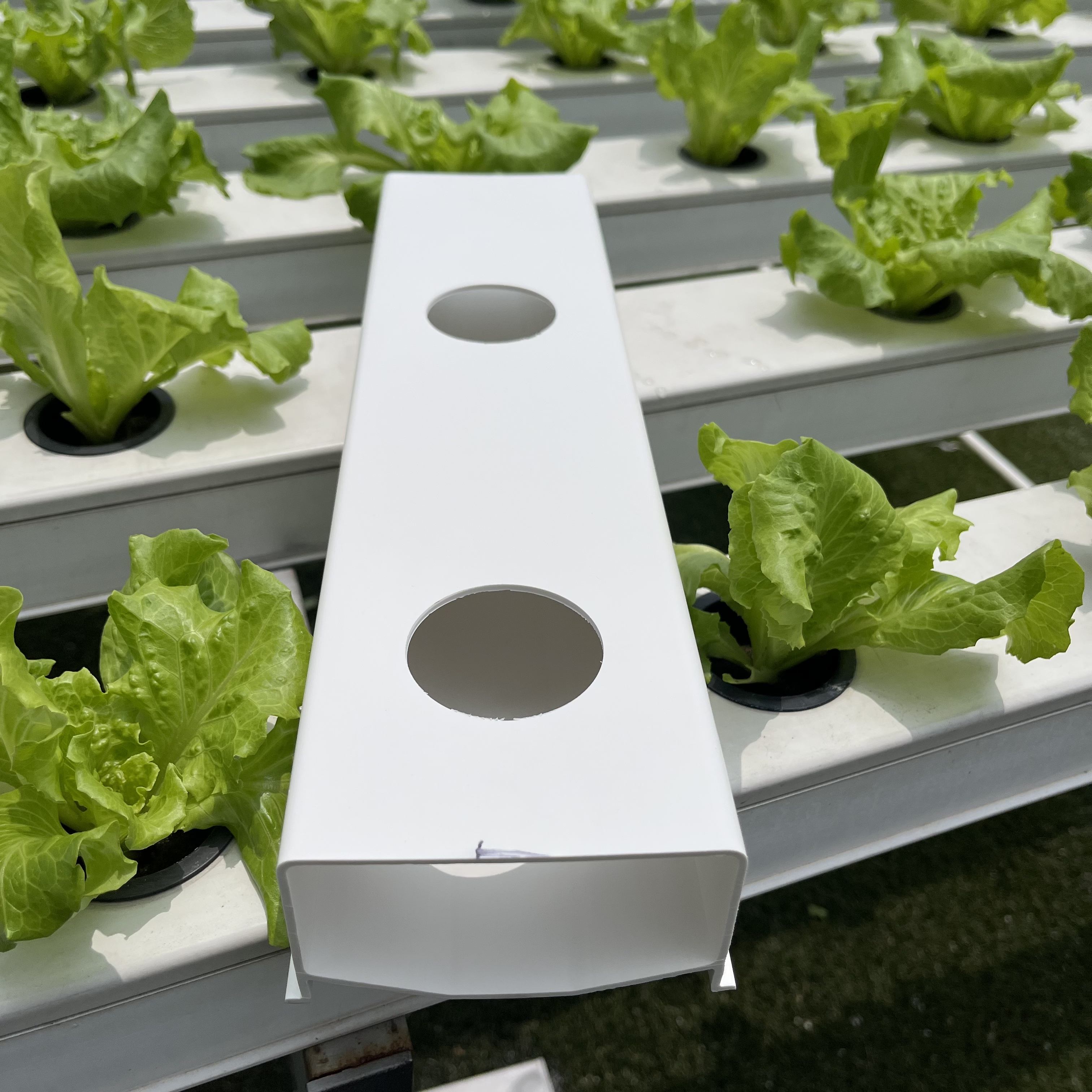
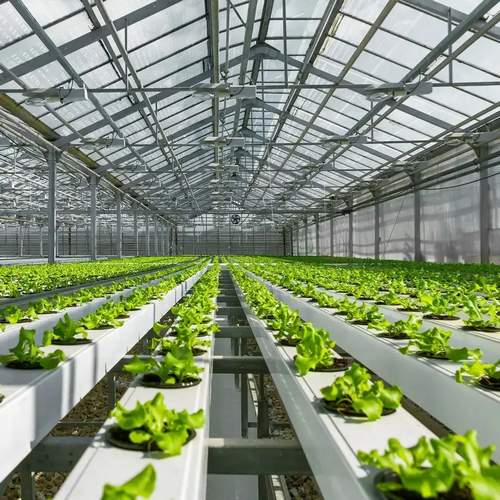
The Nutrient Film Technique represents one of the most elegant solutions in hydroponic system design. A thin film of nutrient-rich water continuously flows through shallow channels, bathing the roots of plants in precisely controlled conditions. This approach minimizes water usage while maximizing oxygen availability to root zones.
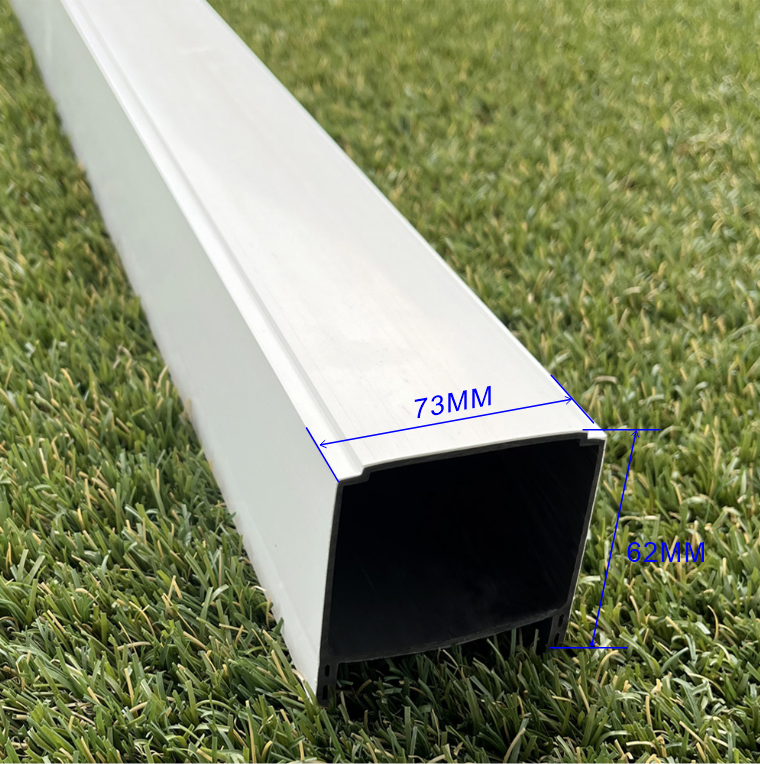
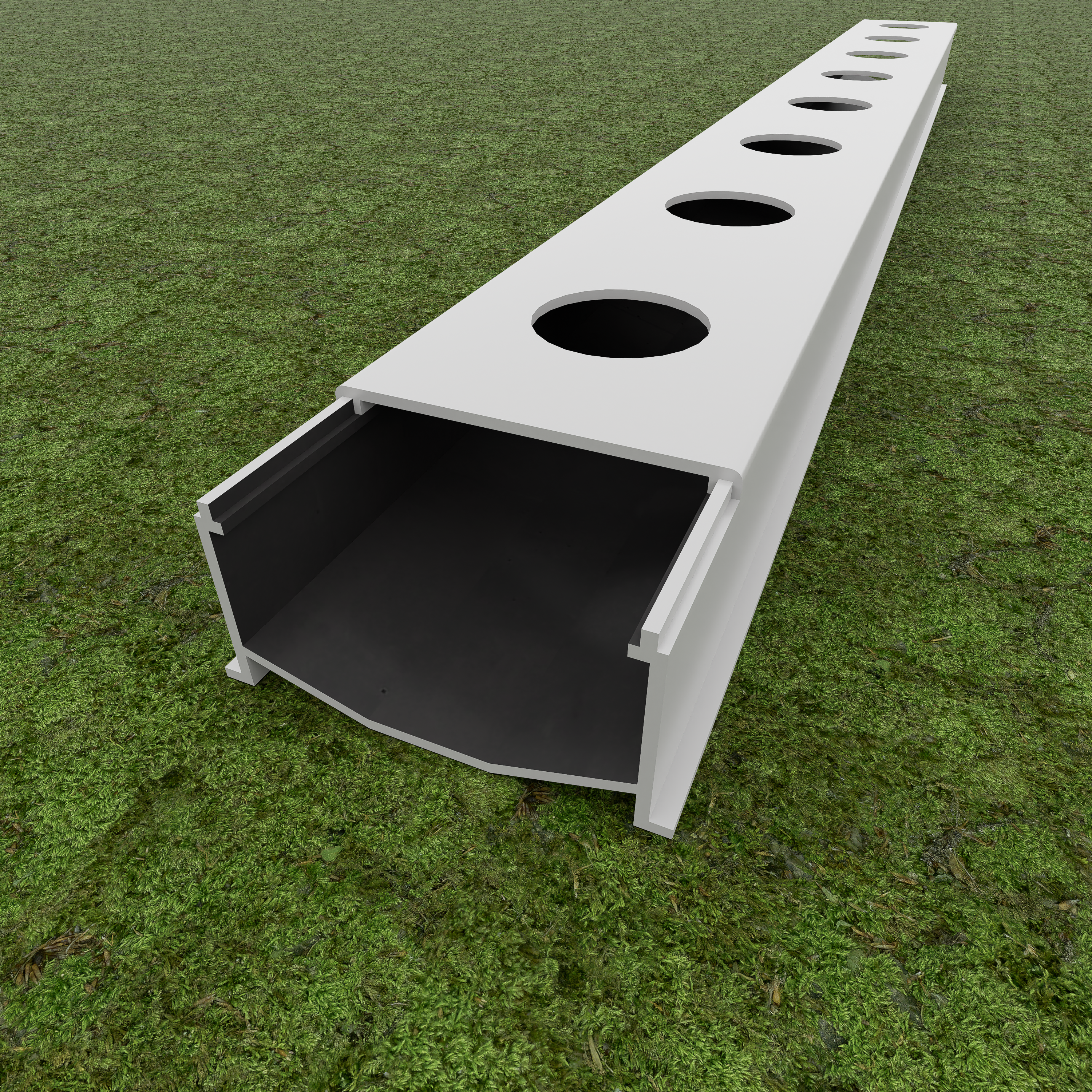
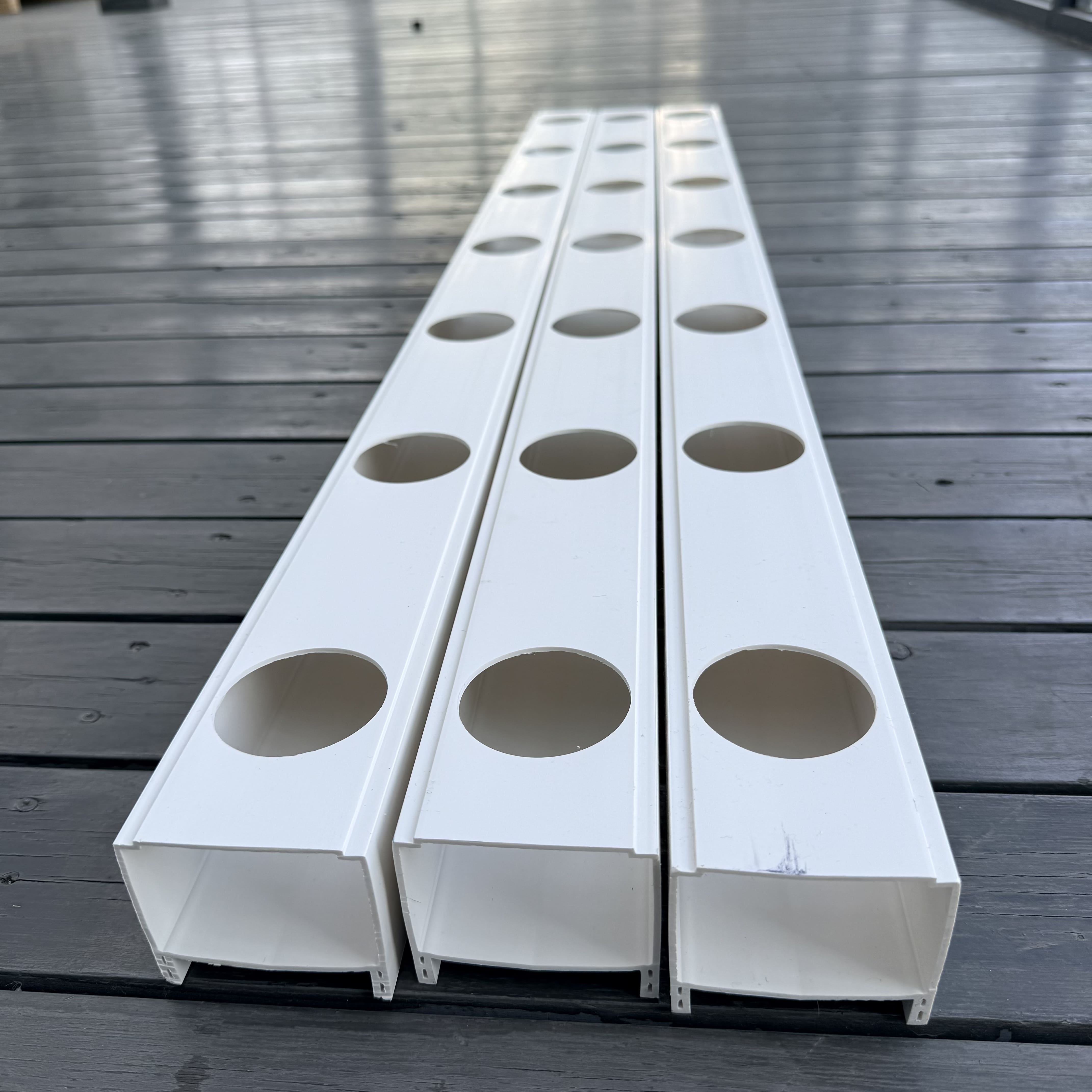
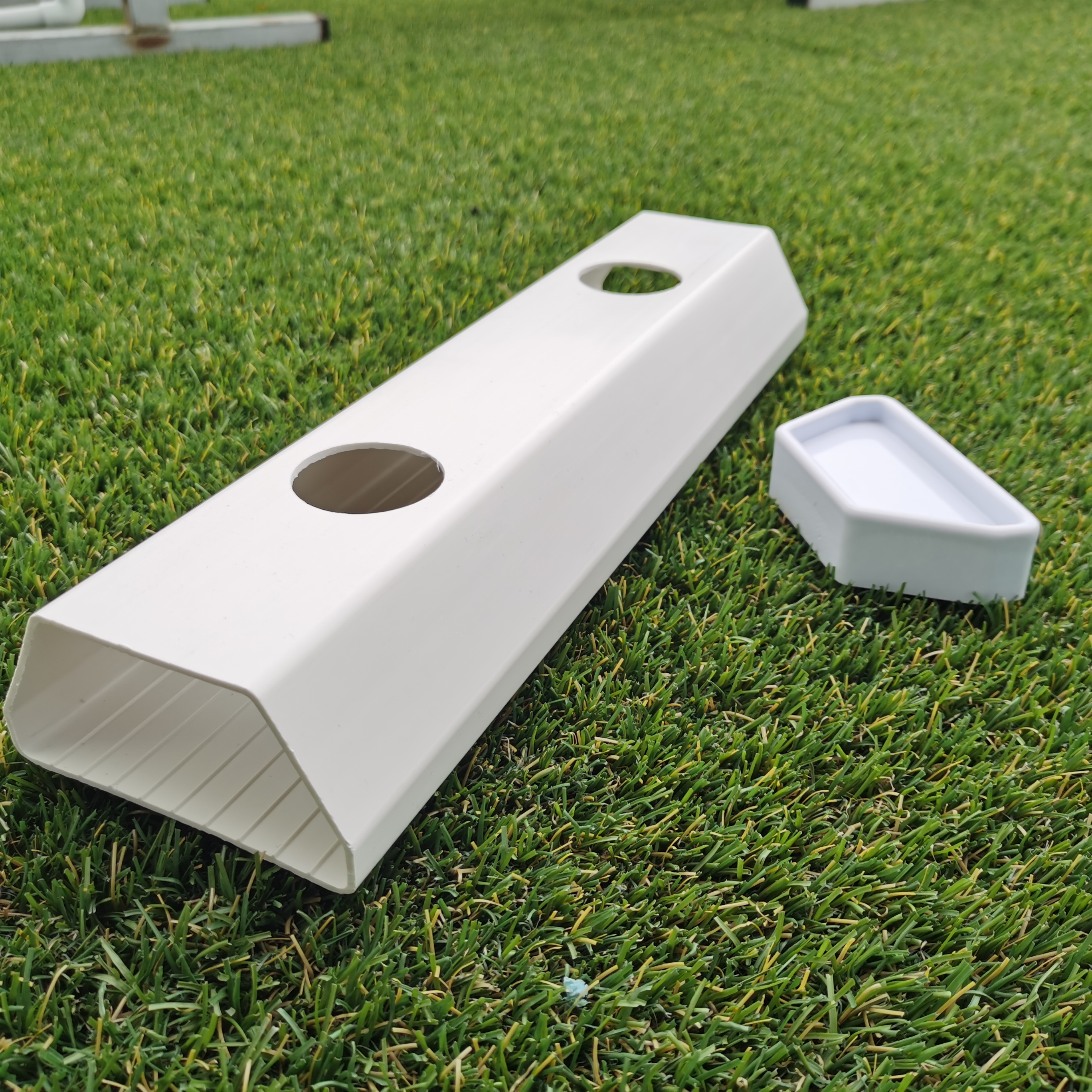
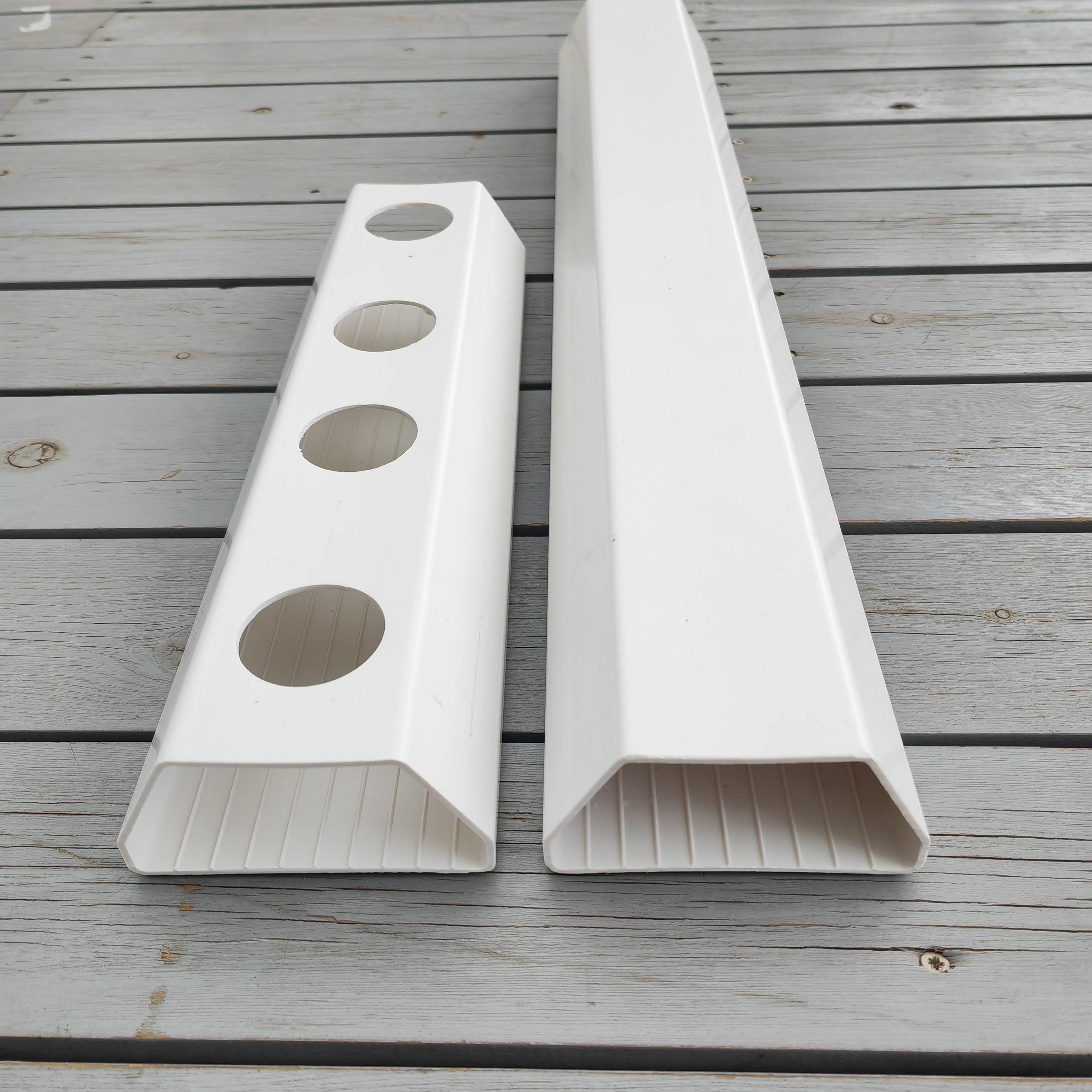
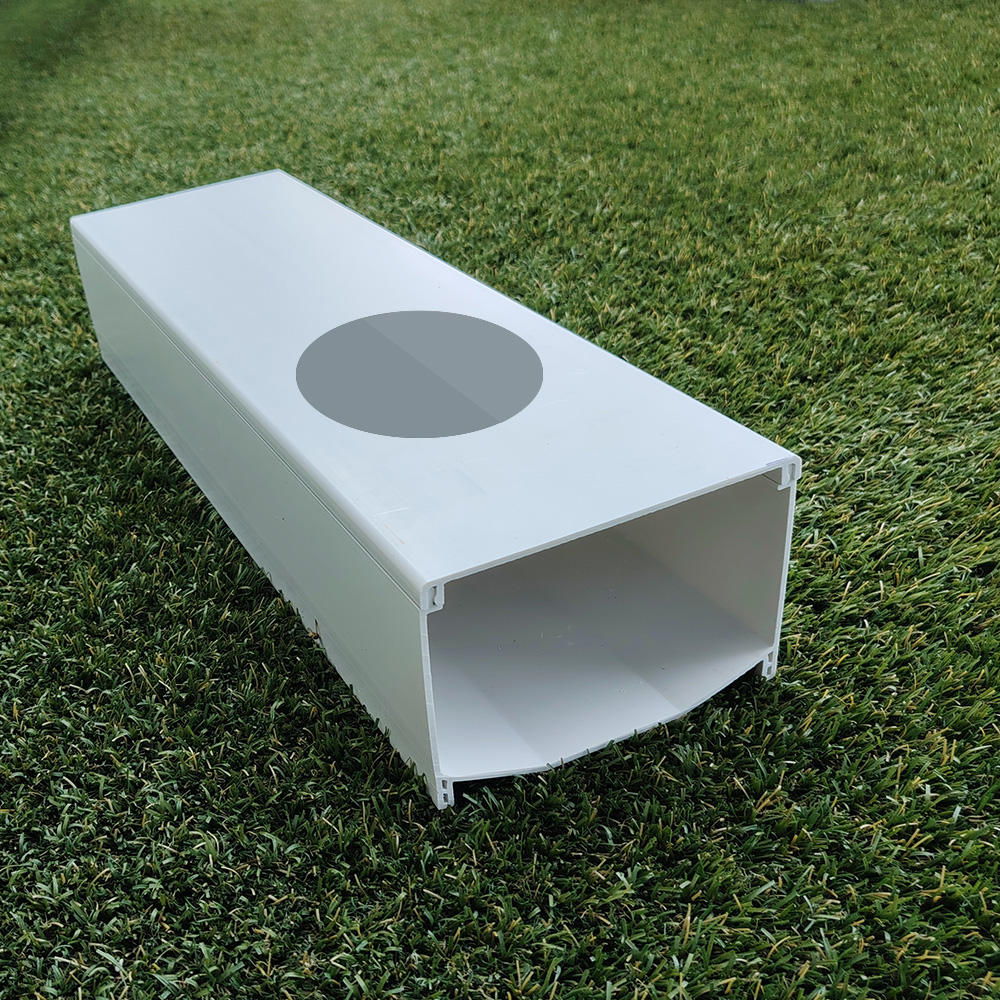
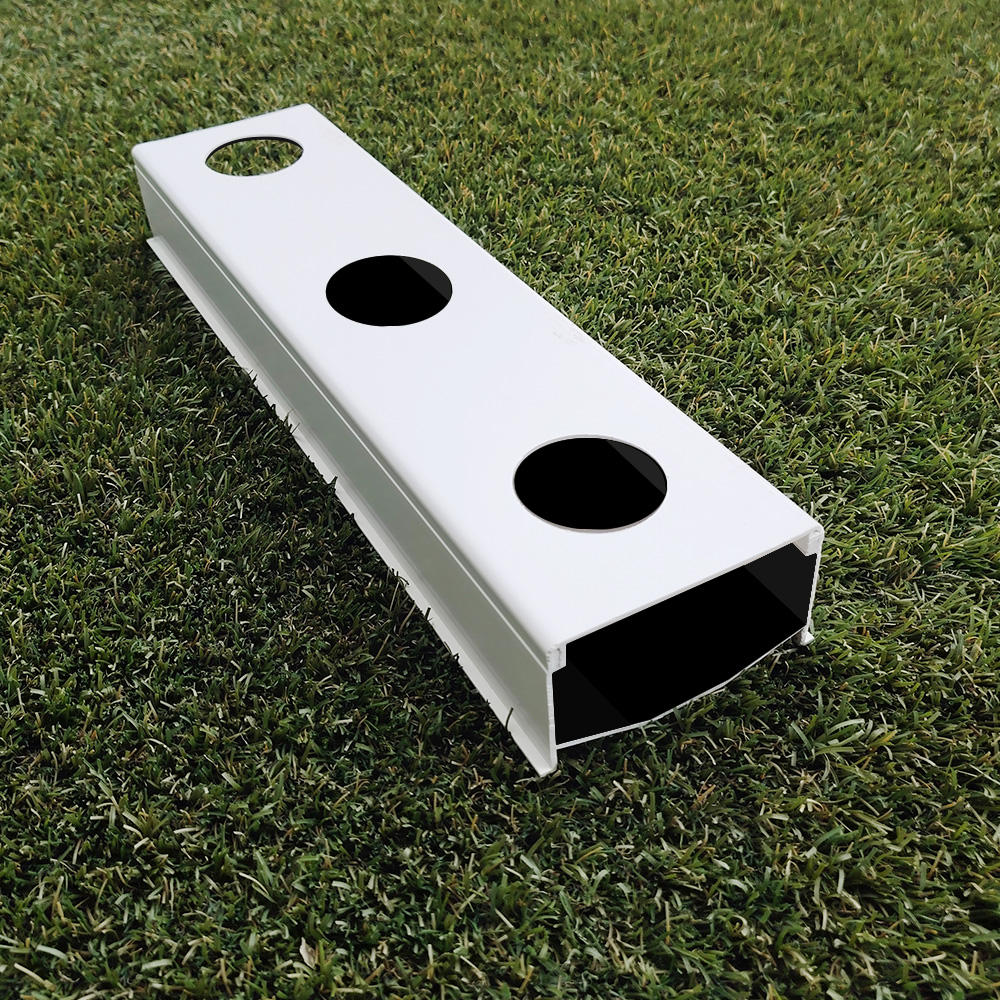
NFT channels consist of three primary components: the growing channel, the nutrient delivery system, and the drainage collection. The channels themselves are typically manufactured from food-grade PVC or similar durable materials resistant to UV degradation and chemical exposure.
Channel Design Engineering
Channel slope requirements typically range between 1:30 and 1:100, sufficient to maintain laminar flow without creating pooling or dry spots. Channel width determines plant spacing and overall yield per square meter. Most commercial operations use channels between 100mm and 300mm wide.
Channel length presents a critical balance. Longer channels reduce system complexity and number of connections, but create challenges in maintaining consistent nutrient distribution. Most commercial installations limit individual channel runs to 10-15 meters for optimal performance.
Commercial Implementation
Large-scale NFT facilities require sophisticated nutrient management systems. Electronic conductivity meters continuously monitor solution strength, while pH controllers maintain optimal acidity levels between 5.8 and 6.2. Automated dosing systems add concentrated nutrient solutions based on real-time measurements.
Water temperature management proves equally critical. Root zone temperatures between 18C and 22C optimize nutrient uptake while discouraging pathogenic organisms. Many facilities use underground nutrient reservoirs or chilled water loops to maintain stable temperatures during summer months.
NFT Channel System Products
Modern NFT systems utilize specialized components designed for durability and food safety. Channels feature smooth interior surfaces that resist algae growth and facilitate cleaning. Corner connectors and junction fittings use food-grade plastics that withstand continuous chemical exposure.

Drainage systems collect spent nutrient solution for filtration and reuse. This closed-loop approach reduces water consumption by 80-90% compared to soil-based agriculture while eliminating agricultural runoff that contributes to waterway pollution.
Production Capacity Calculations
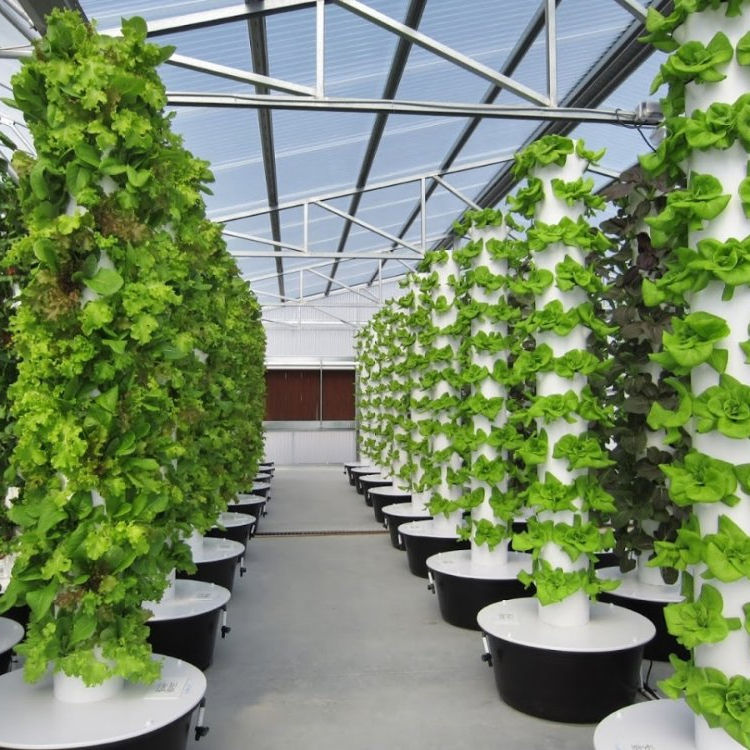
NFT system yield potential depends on multiple factors including channel density, crop selection, and growing season length. Under optimal conditions, a single square meter of NFT channel can produce 40-60 heads of lettuce monthly, or approximately 20-25kg of leafy greens.
Commercial facilities typically achieve 8-12 crop cycles annually in temperate climates, with some greenhouse operations maintaining continuous production through climate control. This compares favorably to soil lettuce production of 4-6 cycles per year in similar conditions.
System Maintenance Protocols
NFT systems require regular maintenance to prevent root disease and algae buildup. Weekly system checks should include nutrient solution testing, channel inspection, and filter cleaning. Monthly maintenance encompasses root zone inspection, equipment calibration, and thorough system sanitization.
Root health monitoring provides early warning of developing problems. White, firm roots indicate healthy growth, while brown or slimy roots may signal bacterial or fungal infection requiring immediate intervention. Maintaining proper dissolved oxygen levels in the nutrient solution helps suppress pathogenic organisms while supporting beneficial aerobic bacteria.
Economic Considerations
Initial capital costs for NFT systems range from $50-150 per square meter depending on component quality and automation level. Automated systems with full environmental control require significantly higher investment but reduce labor requirements and improve yield consistency.
Operating costs center on nutrient solutions, electricity for pumps and climate control, and regular replacement of worn components. Energy costs typically represent 30-40% of total operating expenses in climate-controlled facilities, making energy efficiency a primary design consideration.
Future Development Directions
Emerging NFT technologies incorporate sensor networks and machine learning algorithms that optimize nutrient delivery in real-time. These smart systems continuously adjust flow rates, nutrient concentrations, and environmental parameters based on plant growth stage and environmental conditions.
Modular NFT designs enable incremental expansion, allowing operators to start with small systems and scale as they develop expertise and market channels. This approach reduces risk while building operational knowledge that contributes to long-term success.
