

The Role of Light in Indoor Hydroponic Growing
Light is the energy source that drives photosynthesis, the process by which plants convert light into chemical energy for growth. In indoor hydroponic environments where natural sunlight is limited or unavailable, providing adequate artificial lighting is essential for plant survival and productivity.
Understanding the specific light requirements of different crops allows growers to select the appropriate hydroponic grow lights and configure lighting schedules that mimic natural day-night cycles for indoor hydroponic lighting success.
LED Grow Lights: The Modern Choice for Hydroponics
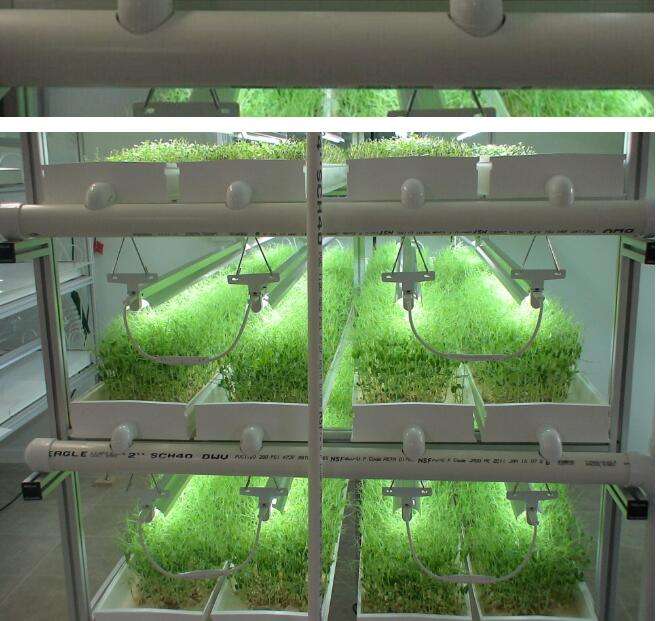
LED grow lights have become the preferred lighting technology for indoor hydroponic growing due to their energy efficiency, long lifespan, and customizable light spectrum. Unlike traditional HID lights, LED grow lights produce minimal heat while delivering high-intensity illumination.
The ability to tune LED light spectrum specifically for plant growth is a major advantage. Blue light promotes vegetative growth while red light encourages flowering. Full-spectrum LED grow lights provide a balanced ratio suitable for all growth stages.
Understanding Light Spectrum and PAR
Plants use light primarily in the Photosynthetically Active Radiation (PAR) range of 400-700 nanometers. Within this range, blue light (400-500nm) and red light (600-700nm) are the most important for photosynthesis.
When selecting hydroponic growing lights, look for fixtures that provide adequate PAR output measured in micromoles per second per square meter. Higher PAR values translate directly to better plant growth and higher yields.
Lighting Coverage and Hanging Height
The coverage area of a plant grow lamp depends on its wattage and the hanging height above the plant canopy. Higher mounting increases coverage but reduces light intensity. Finding the optimal height requires balancing coverage area with sufficient light penetration to lower leaves.
As a general guideline, LED grow lights should be mounted 18-24 inches above the plant canopy for leafy greens and 24-36 inches for larger fruiting plants in indoor hydroponic lighting setups.
Lighting Schedules for Different Crops
Most leafy greens require 14-16 hours of light per day during the vegetative stage. Fruiting vegetables typically need 12-14 hours of daily illumination. Using timers to automate lighting ensures consistent photoperiods that promote healthy growth patterns.
Combining hydroponic grow lights with reflective surfaces maximizes light distribution and improves energy efficiency throughout the growing area for LED grow lights hydroponics applications.
