

Why Hydroponic Nutrients Matter
Unlike traditional soil farming where plants draw nutrients from decomposing organic matter, hydroponic systems require precise nutrient delivery through water solution. The hydroponic nutrient solution must contain all essential elements in the correct proportions for plants to thrive without soil.
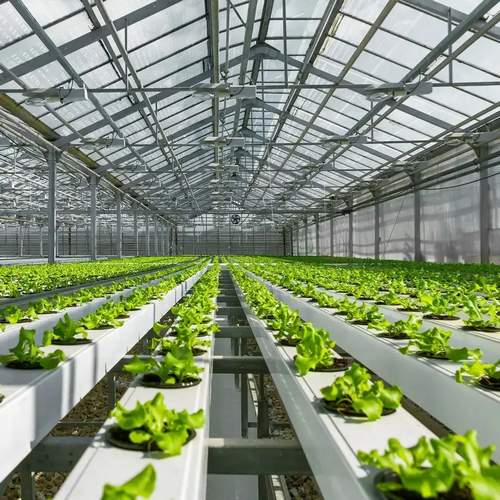
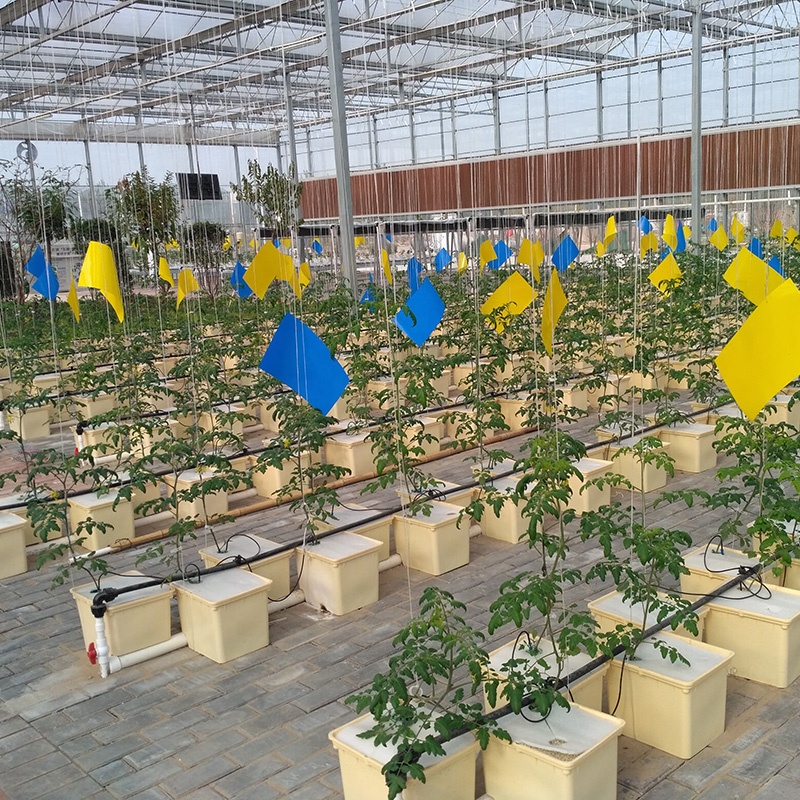
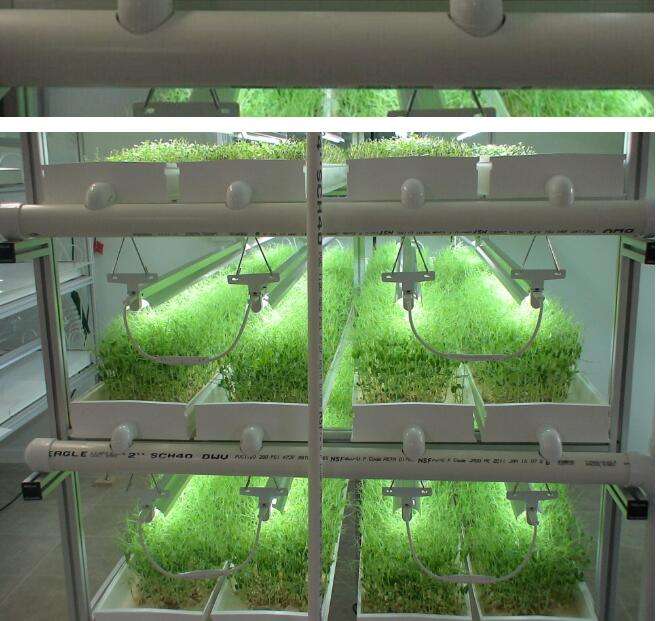
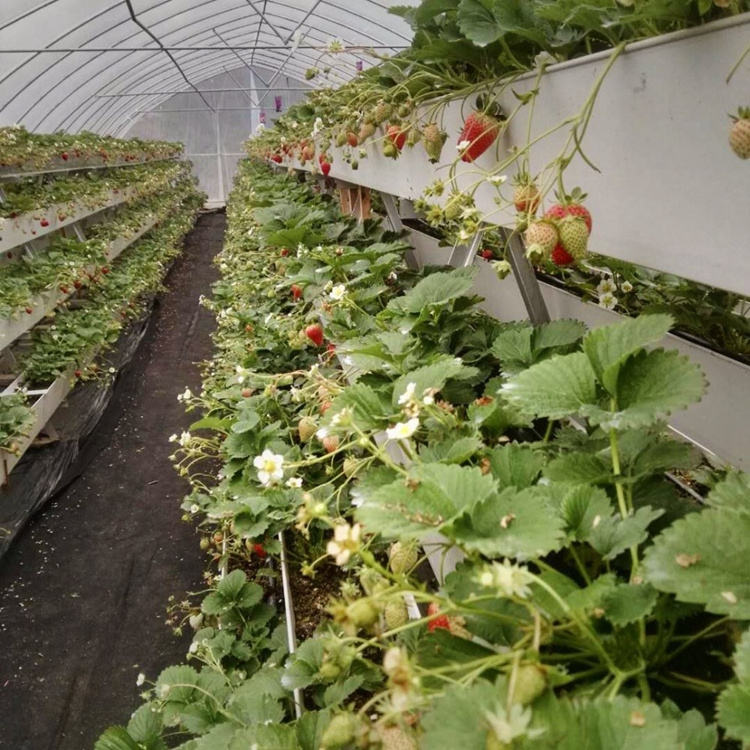
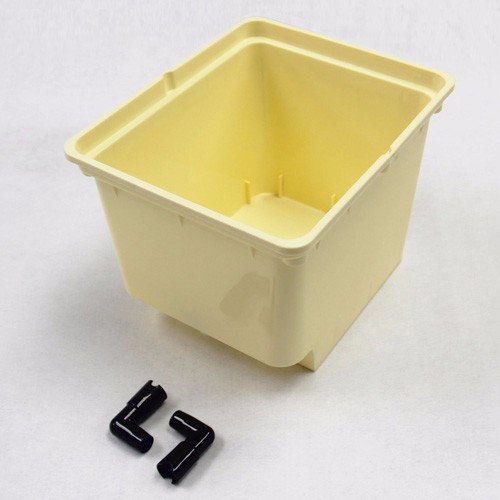
Understanding the chemistry behind hydroponic fertilizer is fundamental to achieving high yields. Whether growing lettuce in an NFT system or tomatoes in Dutch buckets, the nutrient formula directly impacts plant health, growth rate, and harvest quality.
Understanding NPK and Essential Elements
Hydroponic nutrient solutions provide three primary macronutrients: Nitrogen (N), Phosphorus (P), and Potassium (K). These form the foundation of any hydroponic fertilizer program and are required in the largest quantities by plants throughout their growth cycle.
Beyond NPK, plants require secondary nutrients including Calcium, Magnesium, and Sulfur, as well as trace elements such as Iron, Manganese, Zinc, Copper, Boron, and Molybdenum. Each element plays a specific role in plant metabolism and development.

pH Management in Hydroponic Systems
Maintaining the correct pH range is critical for nutrient availability in hydroponic growing. Most nutrients are best absorbed by plant roots when the solution pH falls between 5.5 and 6.5. Outside this range, certain nutrients become locked out even if they are present in adequate quantities.
Regular pH monitoring and adjustment should be performed daily in active hydroponic systems. When pH drifts outside the optimal range, pH up or down solutions can be used to correct it.
EC Levels and Nutrient Concentration
Electrical Conductivity (EC) measures the total dissolved salts in the nutrient solution, indicating nutrient concentration. Higher EC values mean more nutrients are available to plants, while lower values suggest nutrient depletion.
Different crops have different EC requirements. Leafy greens like lettuce thrive at EC levels of 1.2-1.8 mS/cm, while fruiting vegetables such as tomatoes prefer higher concentrations of 2.0-3.5 mS/cm.
Feeding Schedules for Different Growth Stages
Plants have changing nutritional needs as they progress through seedling, vegetative, and flowering stages. Seedlings require lower nutrient concentrations with higher nitrogen for leafy growth. During the flowering and fruiting stage, phosphorus and potassium become more important.
Reducing nitrogen while increasing phosphorus and potassium encourages blooming and fruit development rather than excessive leaf growth. Commercial hydroponic fertilizer products are formulated specifically for soilless growing systems.
Choosing the Right Hydroponic Fertilizer
Our company offers a complete range of hydroponic nutrient solutions designed for different crop types and growth stages. Each formula is carefully balanced to provide optimal nutrition for healthy plant development and maximum yield potential.
