

Aeroponic Growing Systems: High-Pressure Mist Propagation for 3x Faster Growth Rates

Aeroponic growing systems represent the most technologically advanced form of soilless cultivation, delivering nutrients directly to plant roots through a fine mist spray. Unlike traditional hydroponic methods where roots sit in water or substrate, aeroponic plants hang in chambers where their root zones are periodically misted with nutrient solution.
How Aeroponic Systems Work
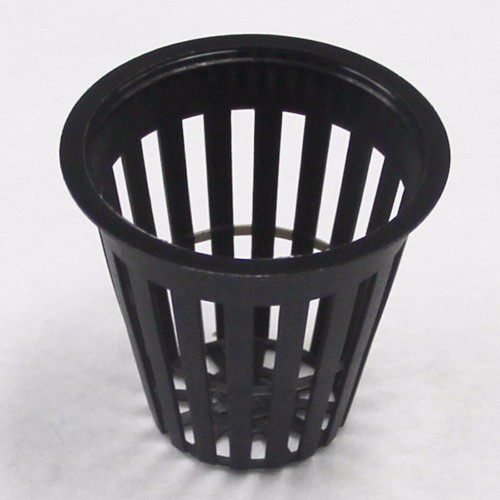
In a typical aeroponic setup, plants are supported in foam collars or net pots with their roots suspended in a dark, enclosed chamber. A high-pressure pump delivers nutrient solution through precision nozzles, creating micro-droplets (typically 5-50 microns) that coat the entire root surface. This misting cycle runs at intervals — often 3-5 seconds on, then 2-3 minutes off — providing roots with constant access to oxygen, water, and nutrients.
The key advantage is root zone aeration. With maximum oxygen exposure, plants can uptake nutrients more efficiently, often achieving growth rates 3x faster than soil-based cultivation and significantly outpacing other hydroponic methods like NFT or DWC.
Why Commercial Growers Are Adopting Aeroponics
For commercial operations, aeroponics offers several compelling advantages: reduced water consumption (up to 95% less than soil farming), faster harvest cycles, and easier root inspection without disturbing the plant. The closed-loop misting system also minimizes nutrient solution waste.
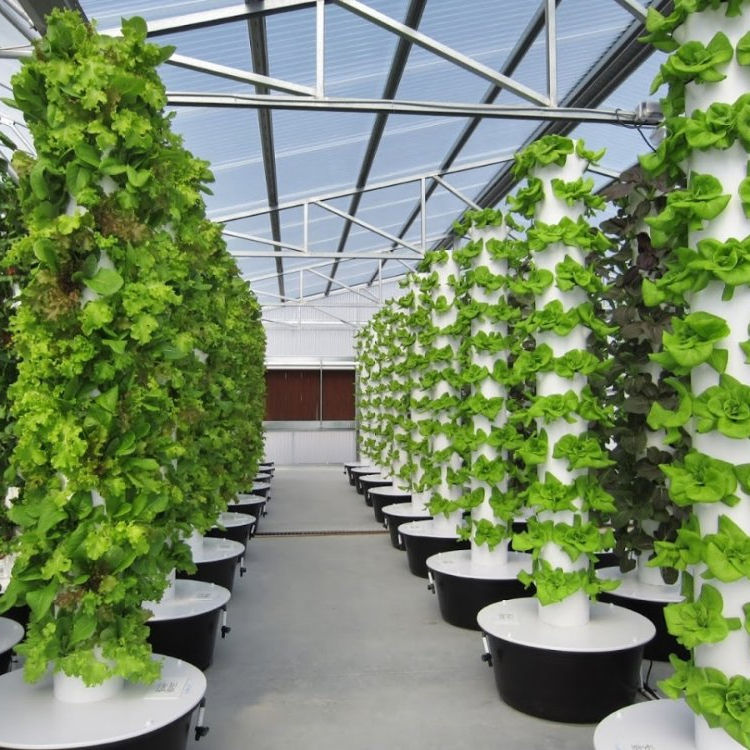
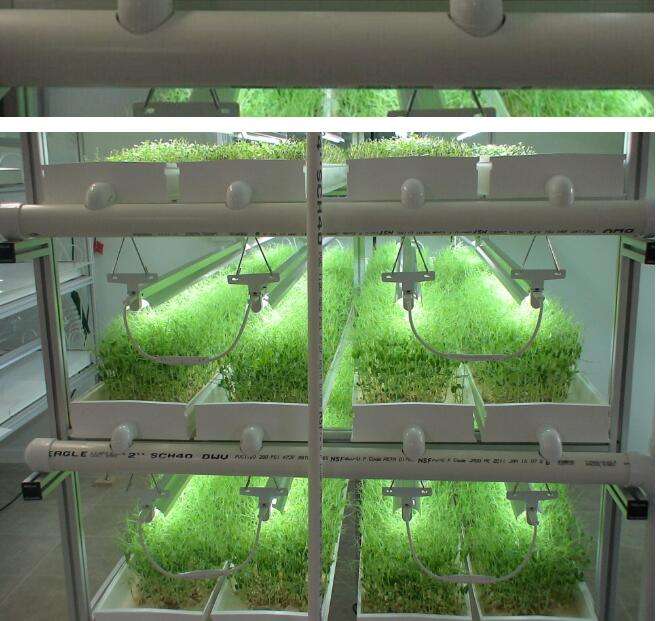
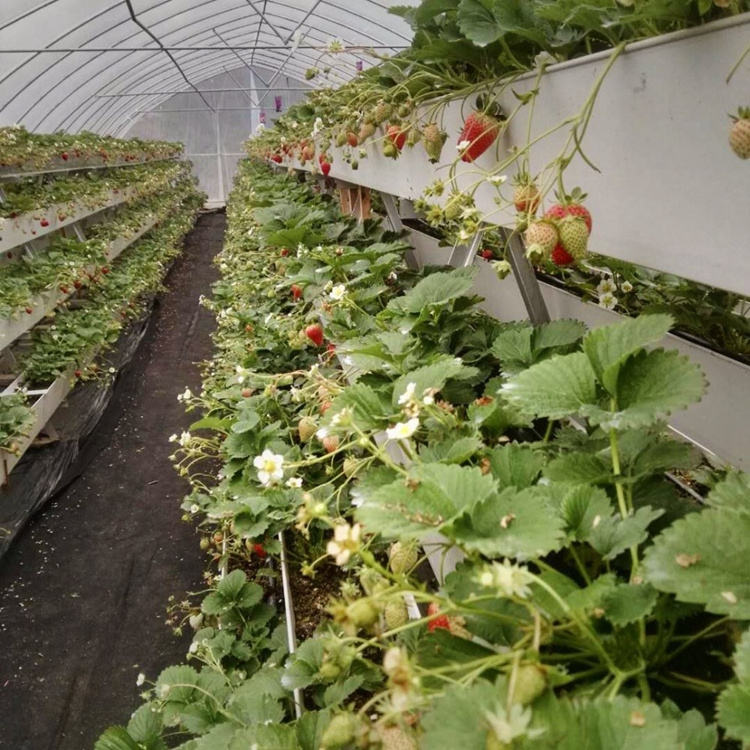
Leafy greens, herbs, and strawberries respond particularly well to aeroponic cultivation. The technology is also gaining traction in vertical farming operations where maximizing yield per square meter is critical.
Key Considerations Before Investing
Aeroponic systems require more precise management than passive hydroponic methods. Pump pressure, misting frequency, nutrient concentration, and root zone temperature all need monitoring. System failures can stress or kill plants within hours since roots have no buffer substrate to draw moisture from.
Initial investment is higher than NFT or Dutch Bucket systems, but for high-value crop production, the ROI can be justified through superior growth rates and resource efficiency.
