
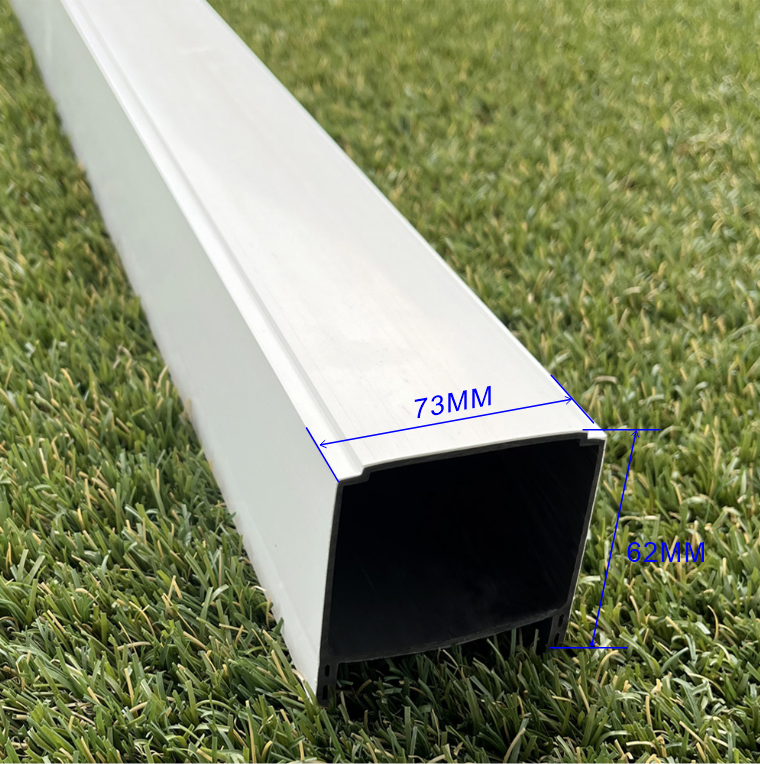
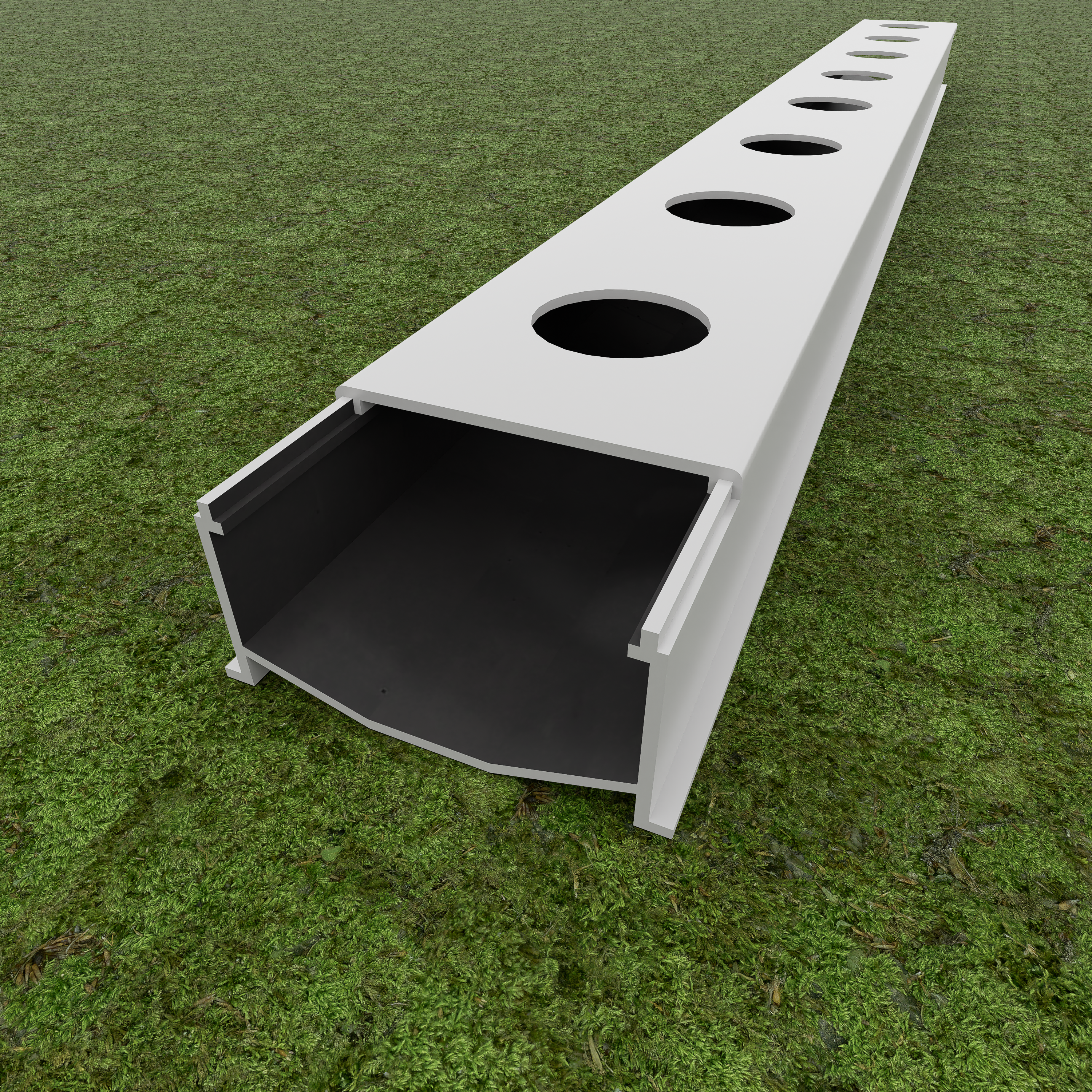
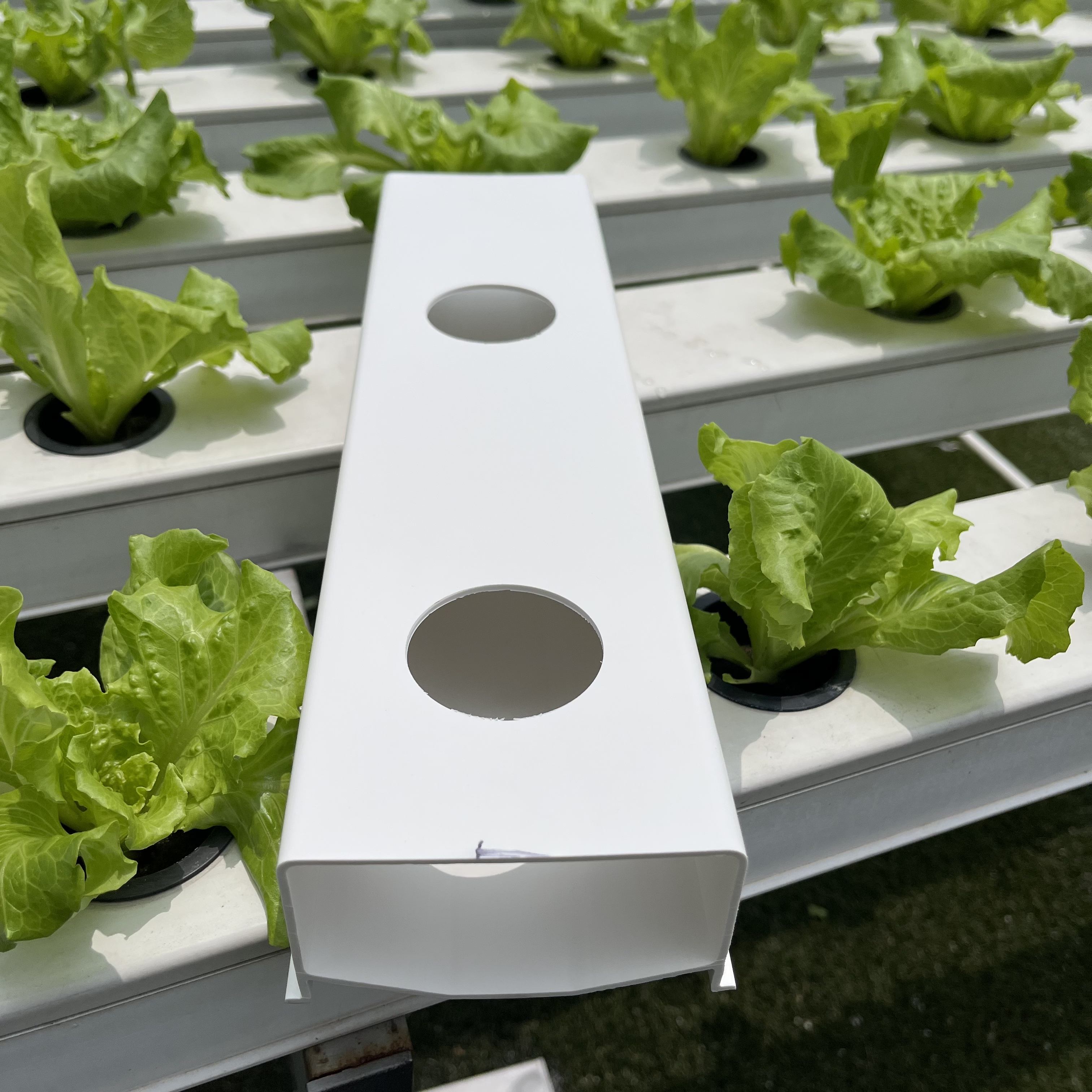
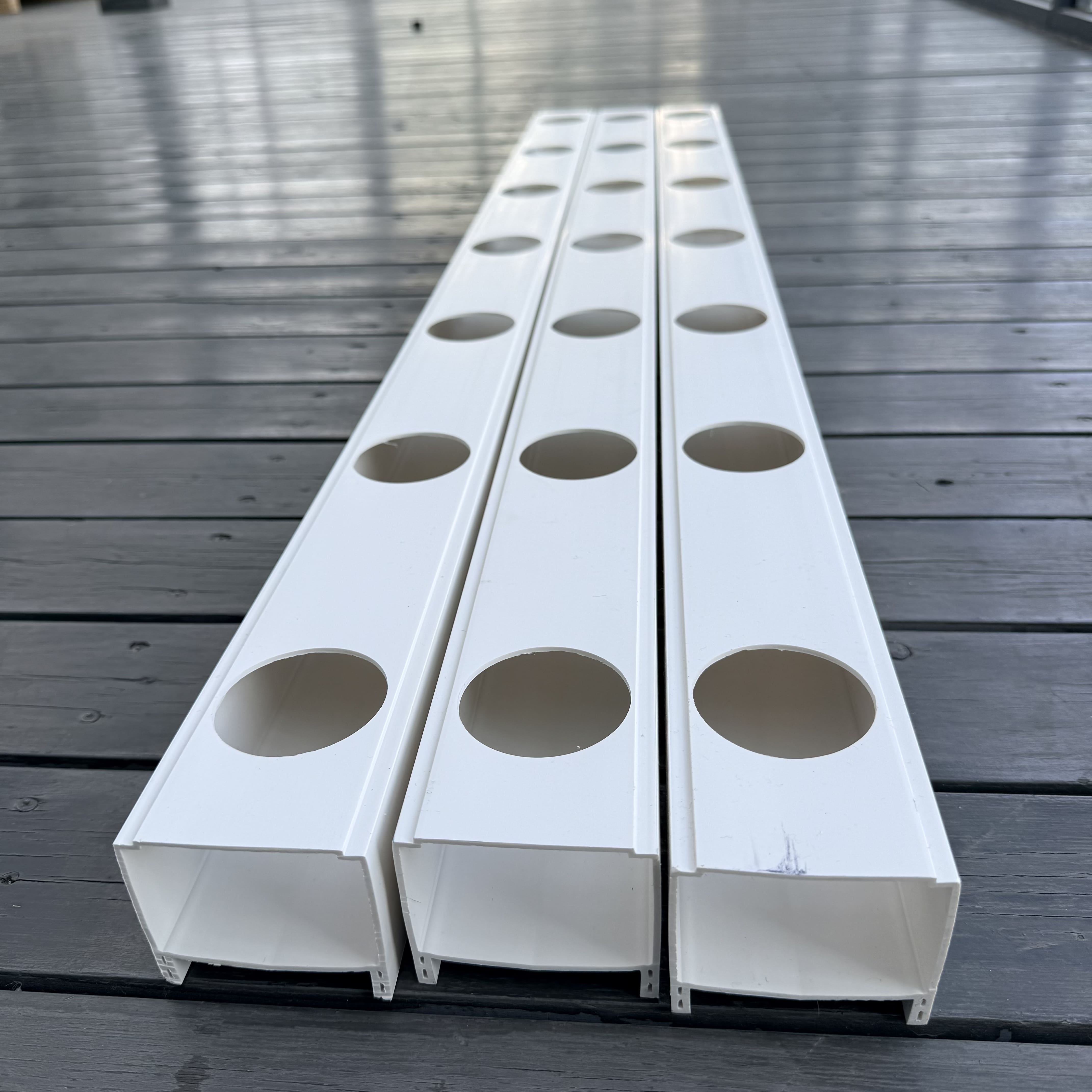
The Evolution of NFT Channel Systems Toward Full Automation
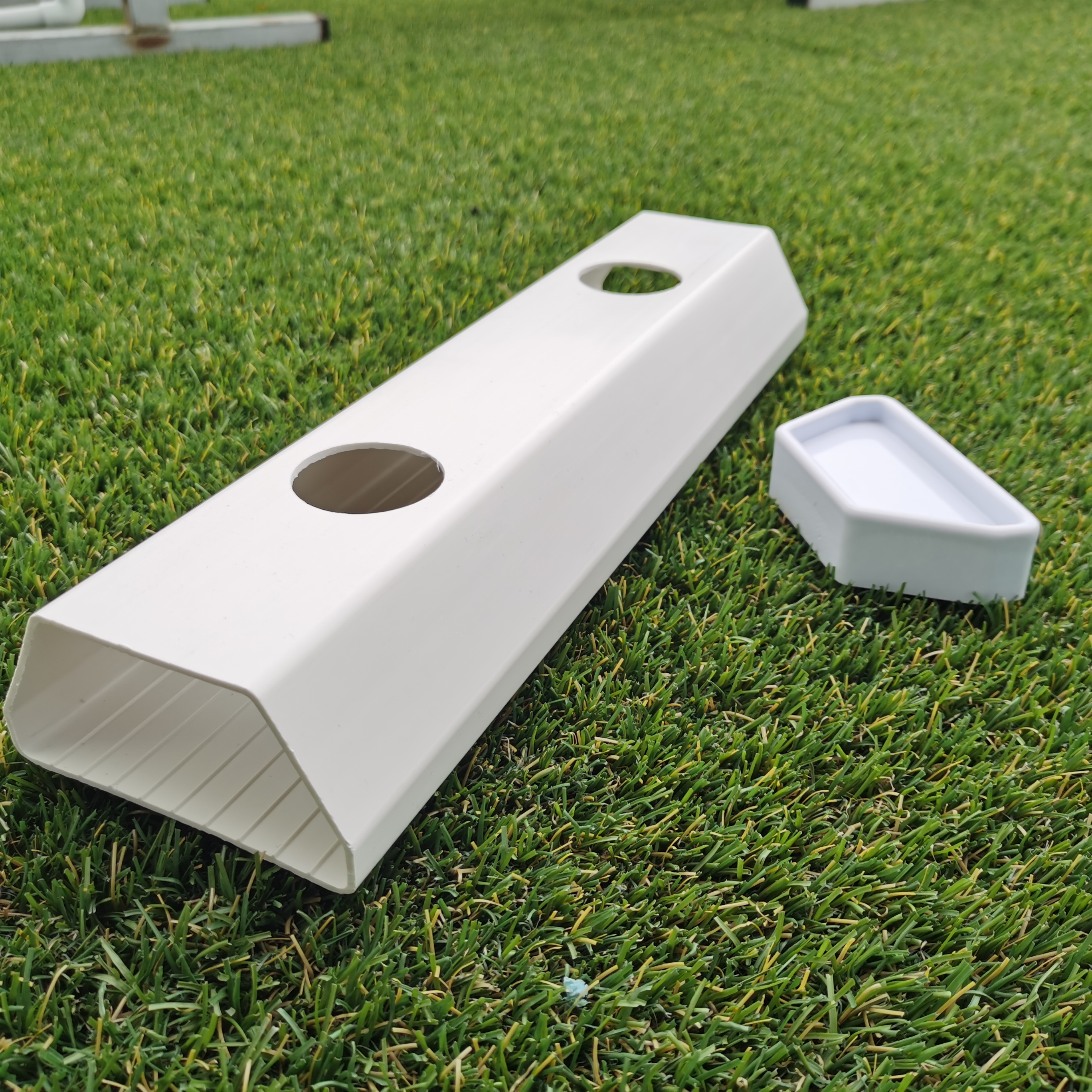
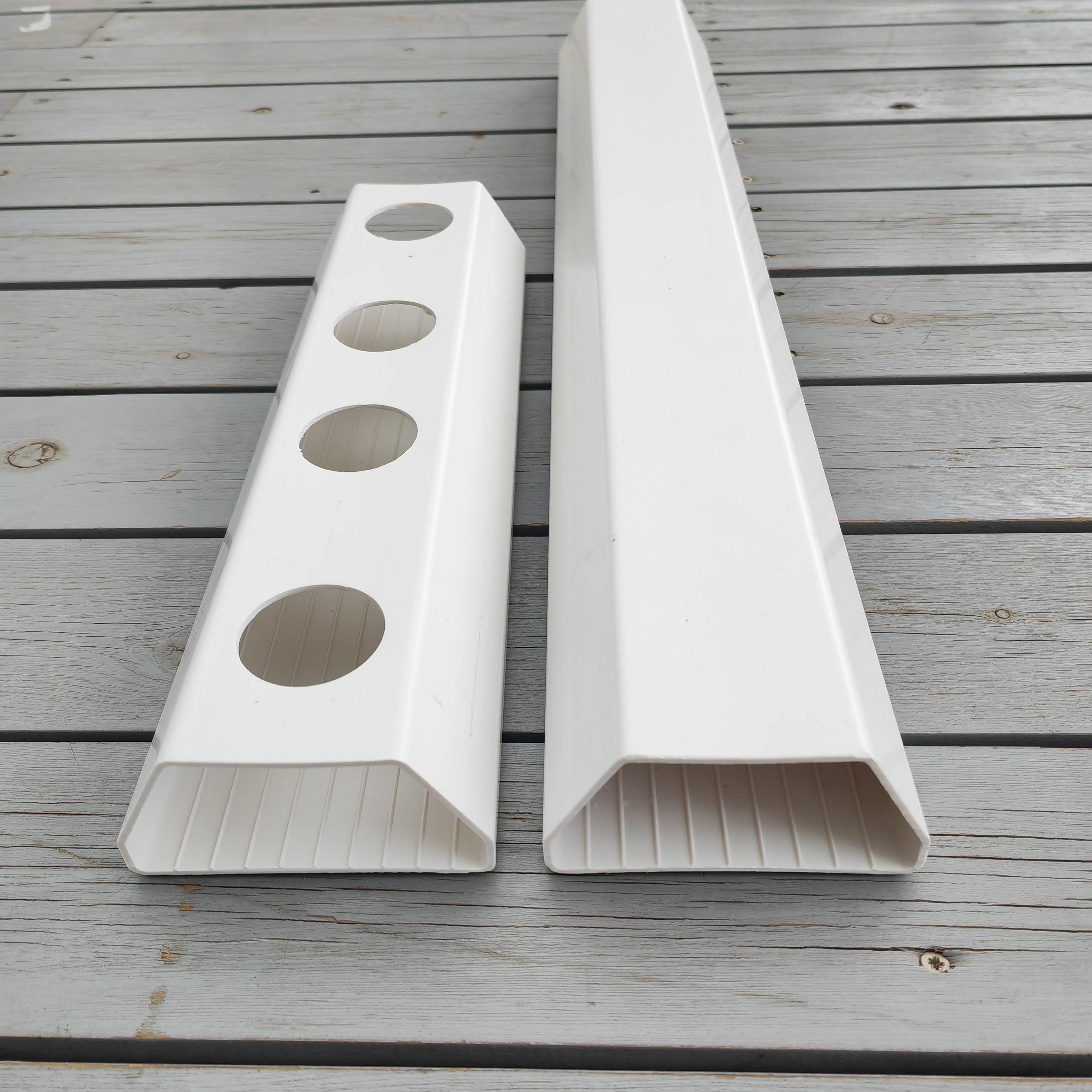
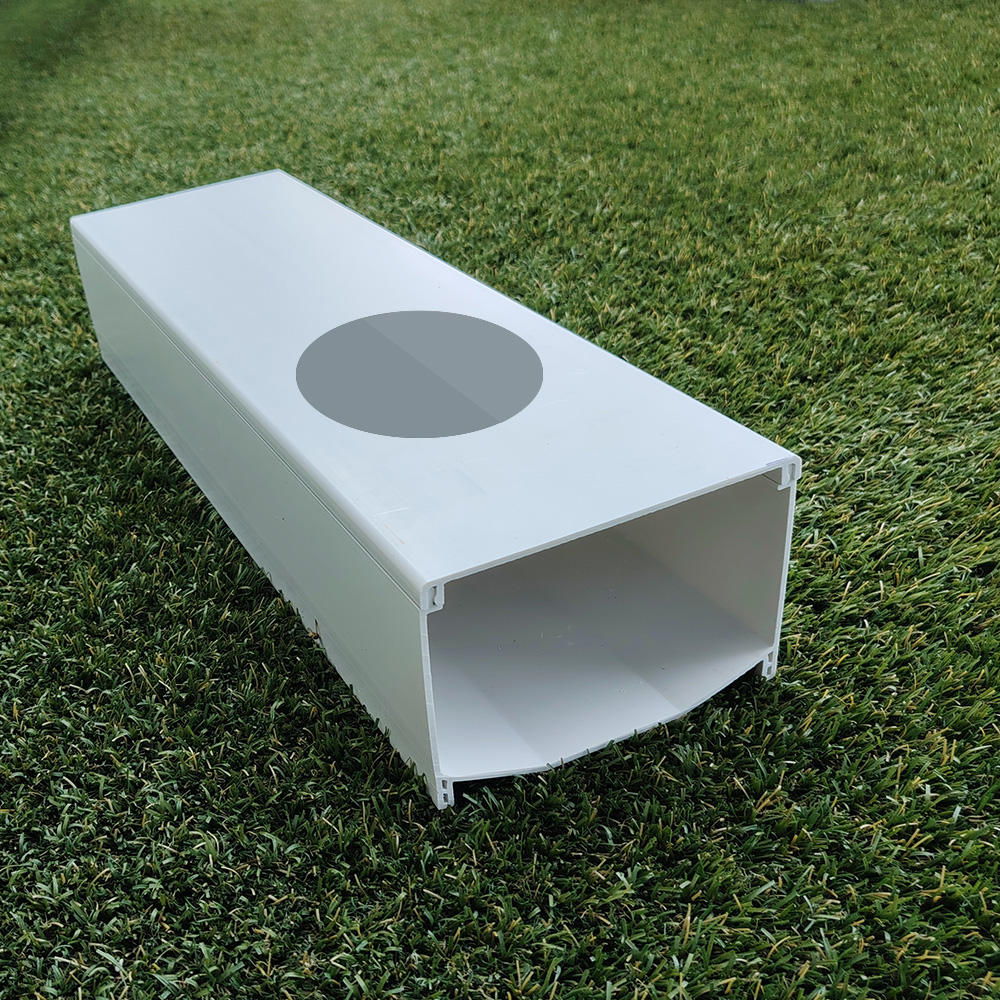
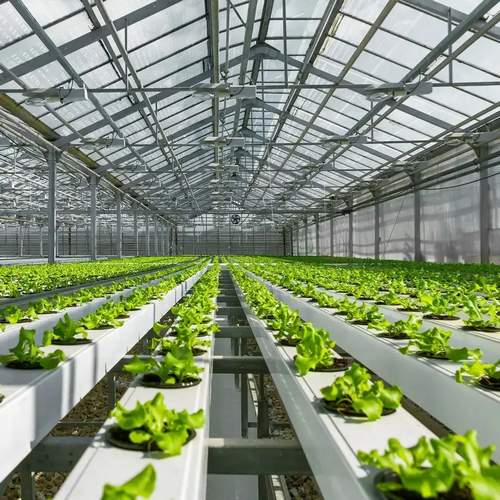
NFT channel moving gully systems represent the cutting edge of hydroponic automation technology, combining the water efficiency of nutrient film technique with mechanical transport systems that fundamentally restructure how crops are grown and harvested. Unlike traditional NFT channels where plants remain stationary, moving gully systems transport plants horizontally through the production environment, enabling unprecedented land utilization and dramatic labor reductions during harvest operations.
The core innovation involves suspending NFT channels on rails that allow entire plant rows to move laterally, bringing all plants to a central harvest station rather than requiring workers to walk between fixed planting rows. This simple mechanical change transforms the spatial economics of greenhouse production, enabling 100% land utilization compared to the 60-70% achievable with traditional row-spacing configurations.
Horizontal Transport Mechanism and Configuration
The moving gully system employs a simple but effective transport mechanism: NFT channels are mounted on wheeled carriages that ride along fixed rail tracks installed perpendicular to the channel direction. An electric motor drives a chain or cable system that moves all channels simultaneously, translating the entire planting row to the desired position within seconds.
Control systems range from simple push-button pendant operation to sophisticated PLC-based programs that coordinate channel positions with fertigation schedules and climate control parameters. Advanced installations integrate moving gully positions with harvest planning software, automatically positioning plants at the optimal location for each day's harvest requirements while maintaining ideal spacing for continued growth of remaining plants.
The rail infrastructure requires minimal floor space, with tracks typically installed beneath the drainage collection system. This integration maintains the closed-loop drainage characteristics of standard NFT systems while providing transport capability without sacrificing production area or introducing contamination risks from exposed mechanical components.
Labor Optimization Through Centralized Operations
The most significant advantage of moving gully NFT systems is the consolidation of all harvesting activities to a single station. Workers no longer walk between rows carrying harvest containers; instead, the production environment comes to them. This eliminates the 40-60% of harvest time previously spent on navigation between plants, directly improving labor productivity and reducing worker fatigue.
A typical moving gully installation achieves 3-4x improvement in harvest labor efficiency compared to stationary NFT configurations. Operations that required 10 workers for harvest can typically complete the same volume with 3 workers in a moving gully system, with each worker focusing exclusively on harvesting tasks without navigation overhead.
The consistent positioning also enables partial-row harvesting strategies that were impractical with stationary systems. Plants can be spaced more densely knowing that mature plants can be selectively harvested without disturbing adjacent plants, since the entire row repositions rather than workers accessing individual plant positions.
Integration with Automated Fertigation Systems
Moving gully systems maintain the precise nutrient delivery characteristics of standard NFT configurations while introducing positioning variables that require sophisticated fertigation coordination. Each channel position requires individual nutrient solution delivery that adjusts based on plant density, growth stage, and position within the production cycle.
Modern moving gully installations utilize dosing systems with position-feedback integration, ensuring that nutrient solution formulations are precisely matched to each channel's current occupants. As plants mature and nutrient requirements change, the system automatically adjusts formulations without manual intervention, maintaining optimal nutrition throughout the growth cycle.
Drainage collection remains fully functional in moving gully configurations, with flexible hose connections between stationary supply lines and mobile channel assemblies. These quick-connect fittings maintain sealed connections throughout the transport cycle, preventing nutrient solution leakage while enabling the lateral movement that defines the system.
Yield and Quality Implications
Moving gully NFT systems achieve yield improvements of 20-30% compared to traditional stationary configurations, primarily through optimized land utilization and reduced plant damage during harvest operations. The consistent spacing enabled by row-level transport positioning prevents the uneven plant distribution that occurs when workers partially harvest from fixed rows over multiple passes.
Product quality also improves due to reduced handling damage. Workers harvest from a fixed position with optimal ergonomic access, rather than reaching into dense stationary rows where leaves are inevitably damaged during navigation. The reduction in harvest-related damage directly impacts marketable yield percentage, with improvements of 5-10% commonly observed in moving gully installations.
Conclusion
NFT channel moving gully systems represent the logical evolution of hydroponic lettuce and leafy green production toward full automation. By transforming the spatial relationship between workers and plants, these systems achieve dramatic improvements in labor efficiency, land utilization, and product quality simultaneously. For operations seeking to maximize competitiveness in an increasingly challenging labor market, moving gully technology offers a proven, scalable solution that delivers return on investment through multiple operational improvements.
