
Commercial Hydroponic Systems: A Complete Guide to Water-Saving Agriculture for Modern Growers
Commercial hydroponic systems represent the most significant advancement in sustainable agriculture in decades. As water scarcity intensifies globally, hydroponics greenhouse technology offers commercial growers an effective path to higher productivity with dramatically reduced resource input.
What Are Commercial Hydroponic Systems?
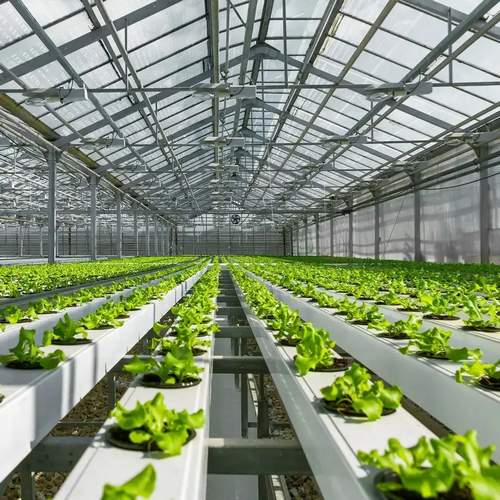
Commercial hydroponic systems are large-scale soilless agriculture installations designed for professional food production. Unlike small home hydroponic kits, commercial systems handle thousands of plants across extensive growing areas. These hydroponics greenhouse complexes integrate multiple technologies including NFT hydroponic channels, drip irrigation, deep water culture, and vertical farming racks to maximize output per square meter.
The core principle remains consistent across all scales: plants grow in controlled environments where nutrient solutions deliver minerals directly to root systems. This hydroponic system approach eliminates soil-borne diseases, reduces pesticide use, and produces cleaner harvests with longer shelf life.
Types of Commercial Hydroponic Systems
NFT Hydroponic Channels
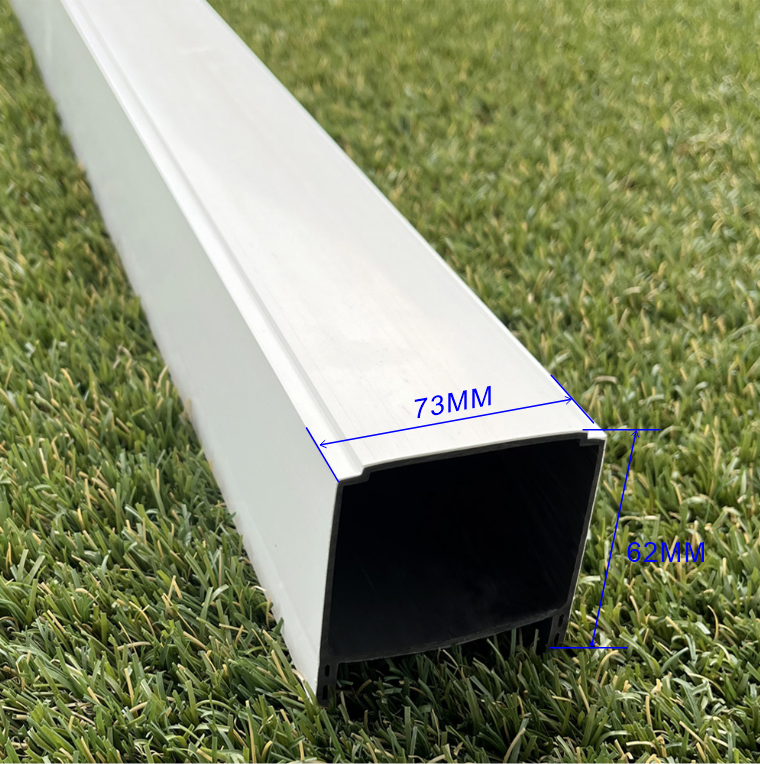
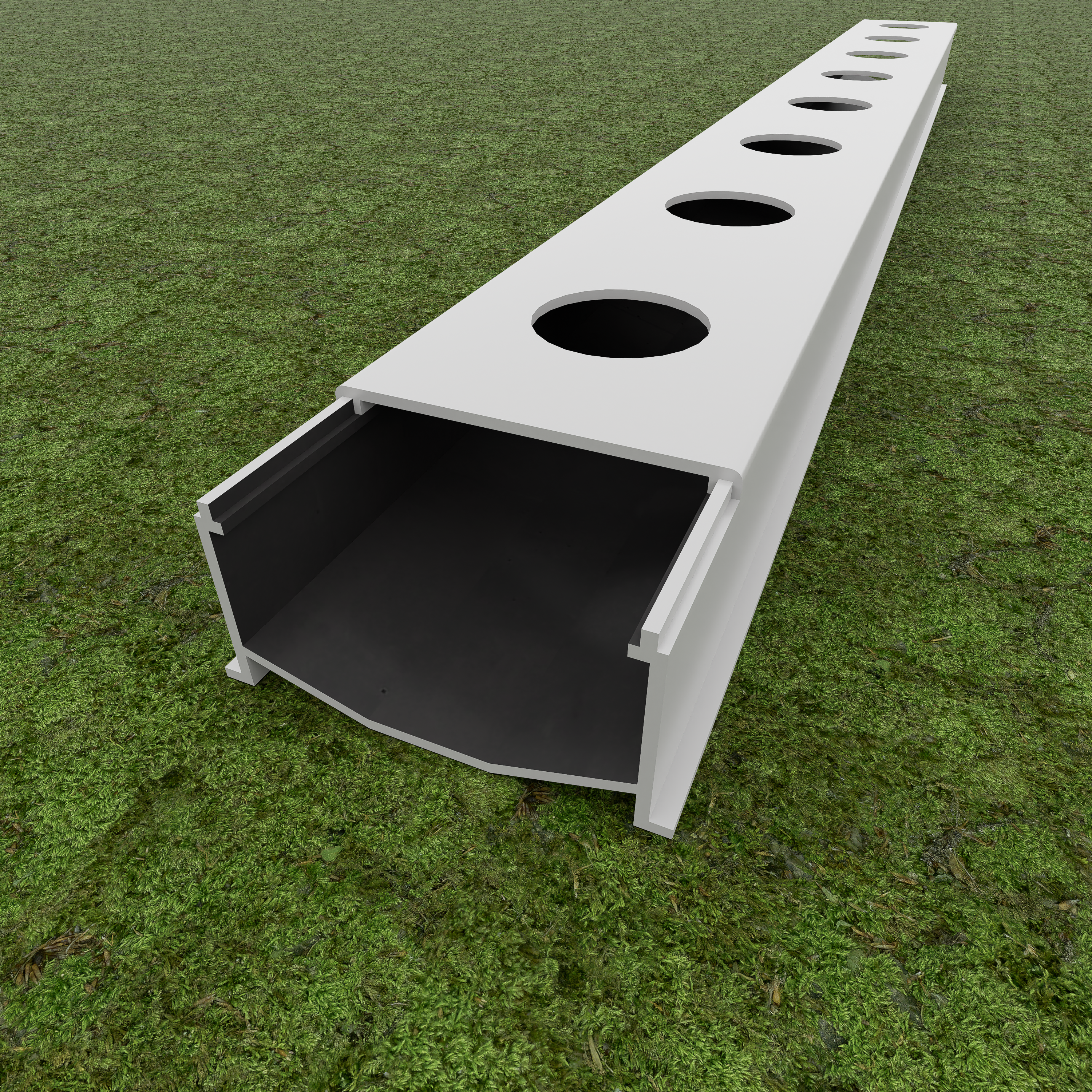
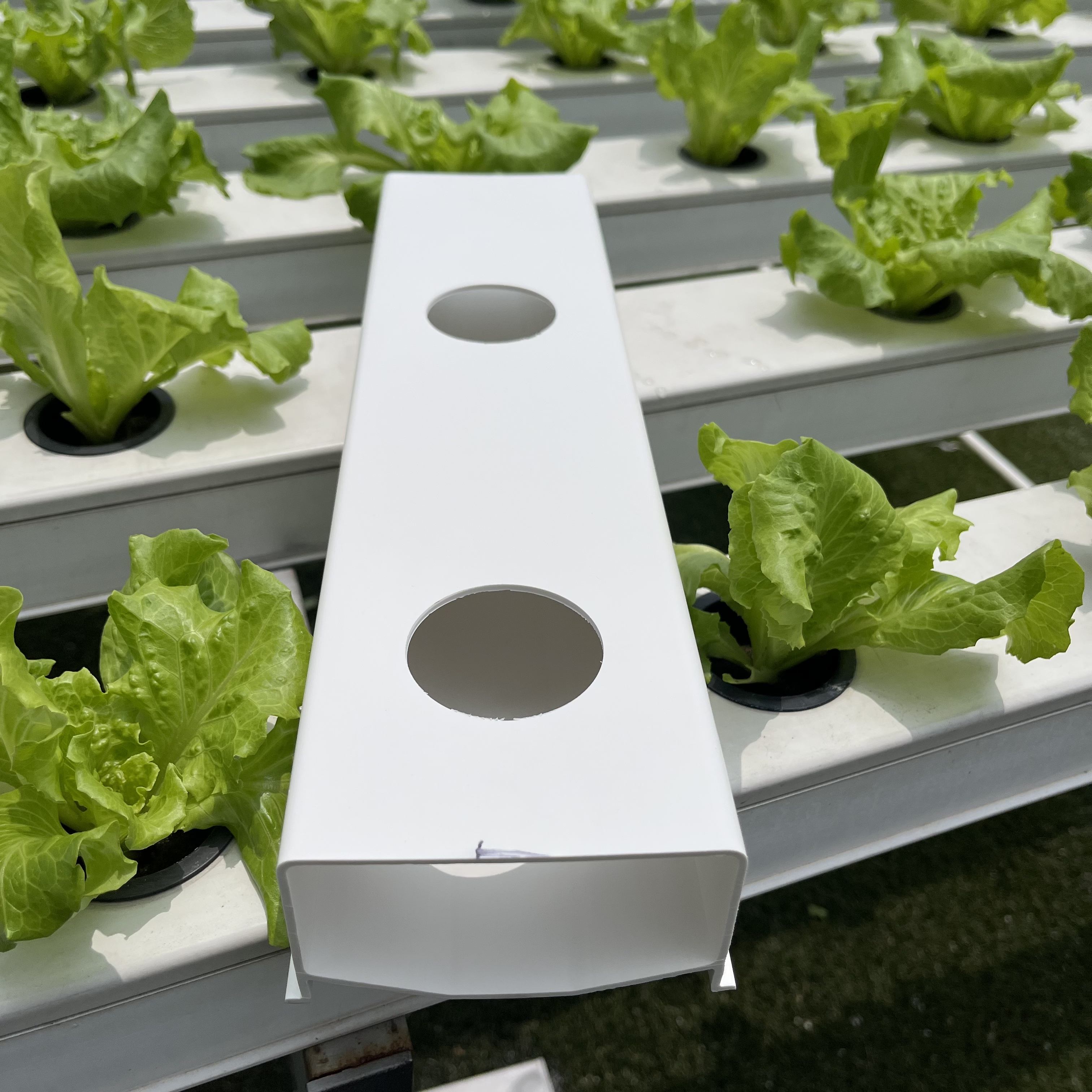
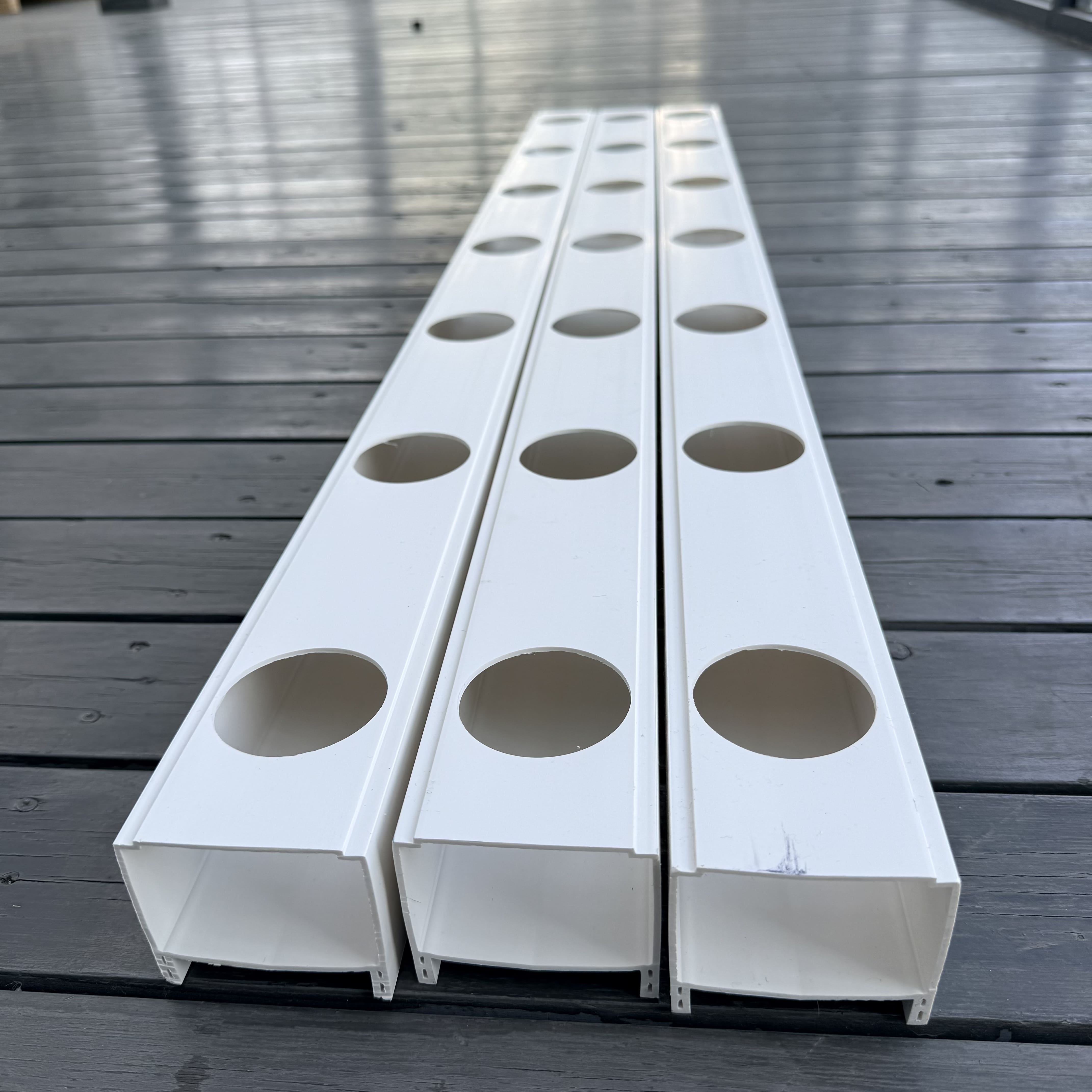
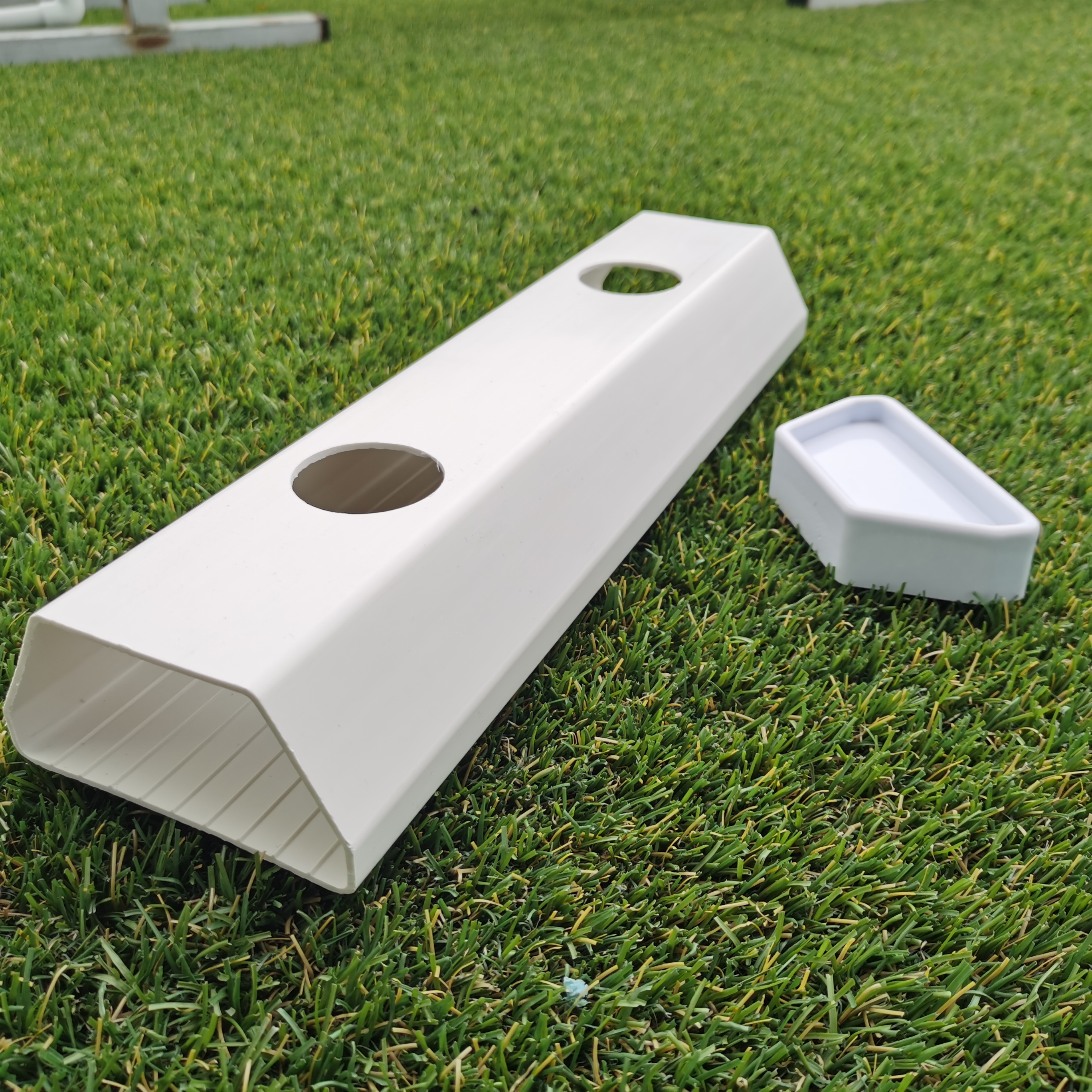
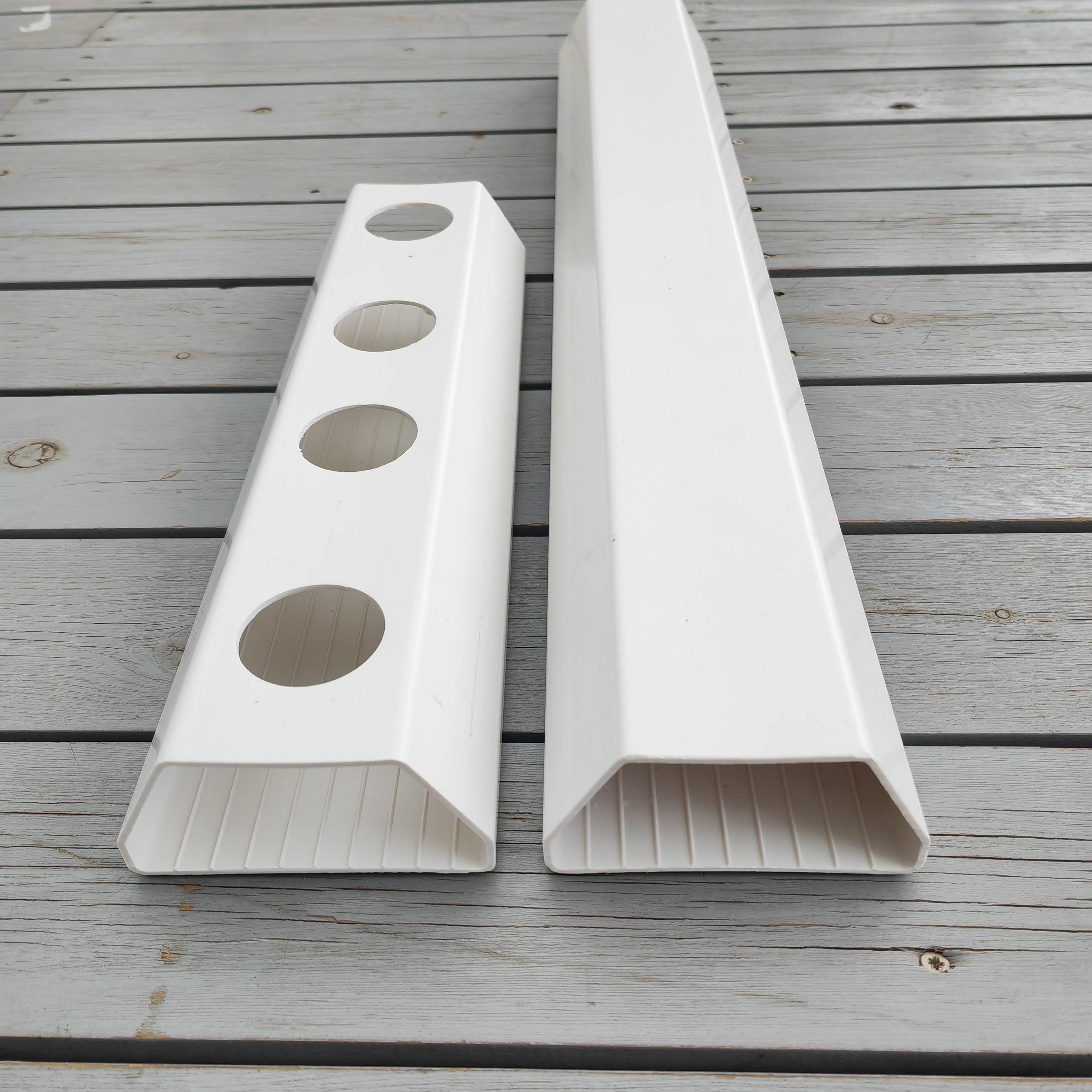
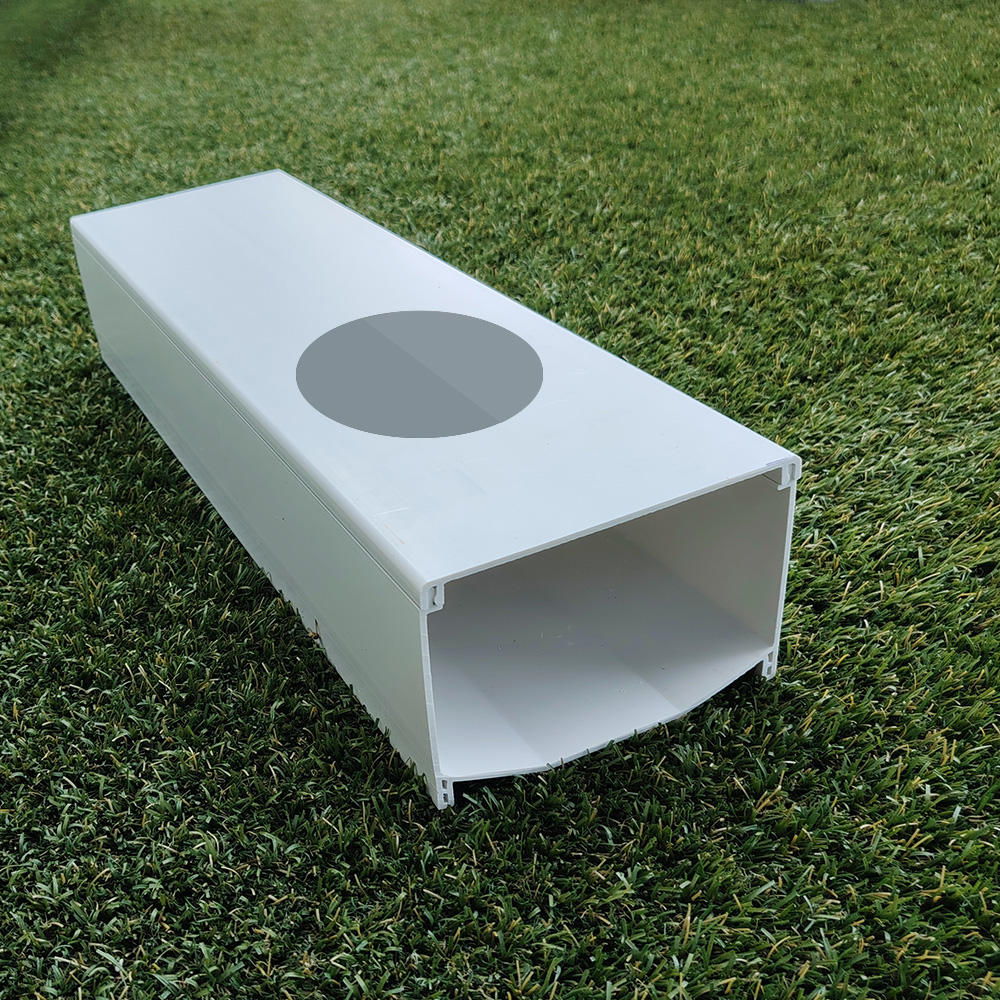
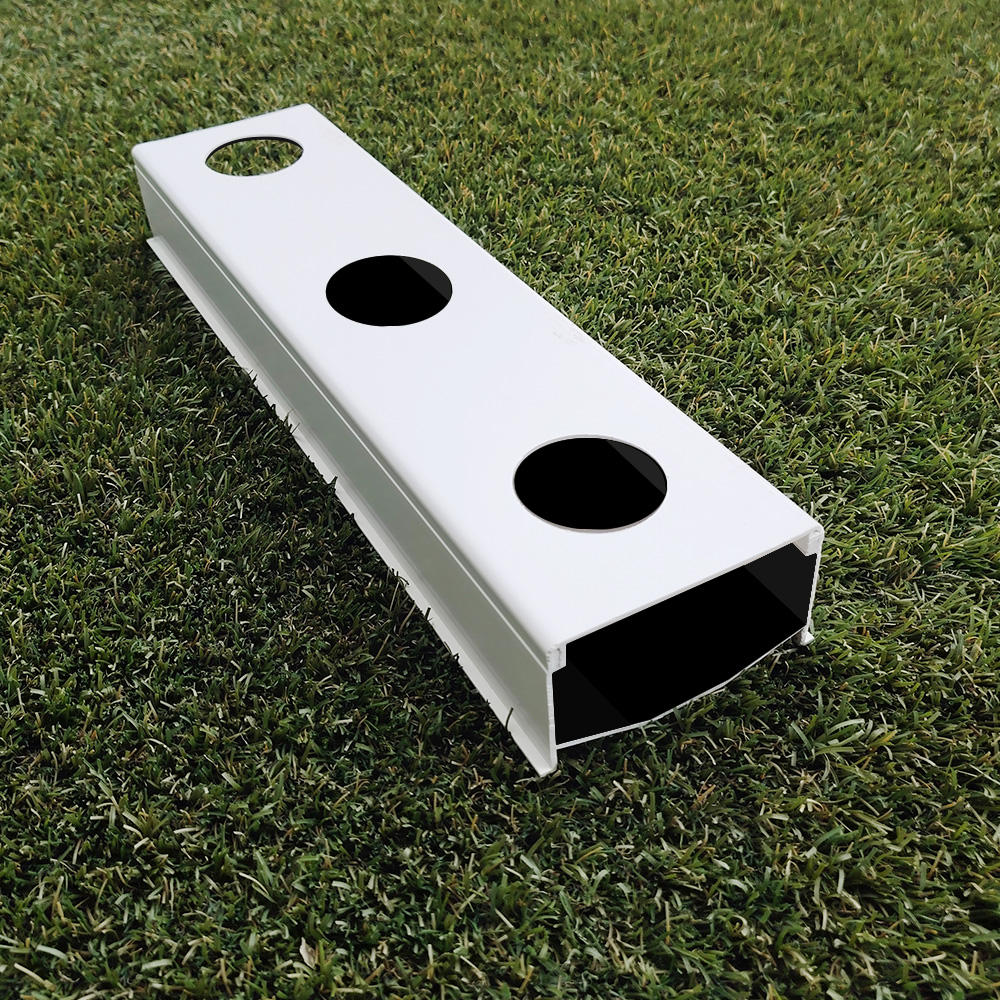
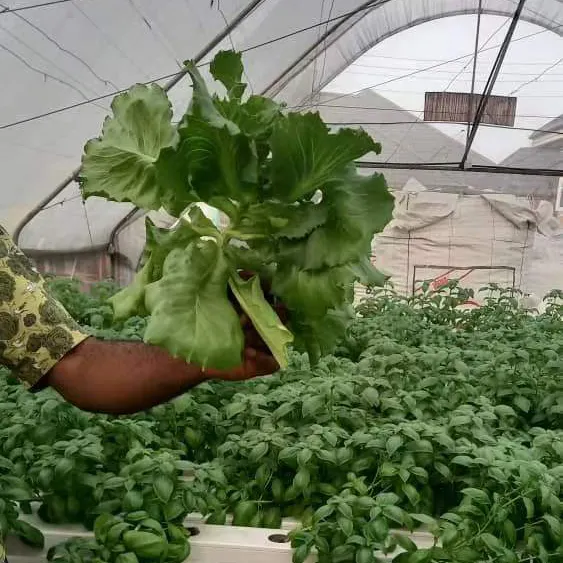
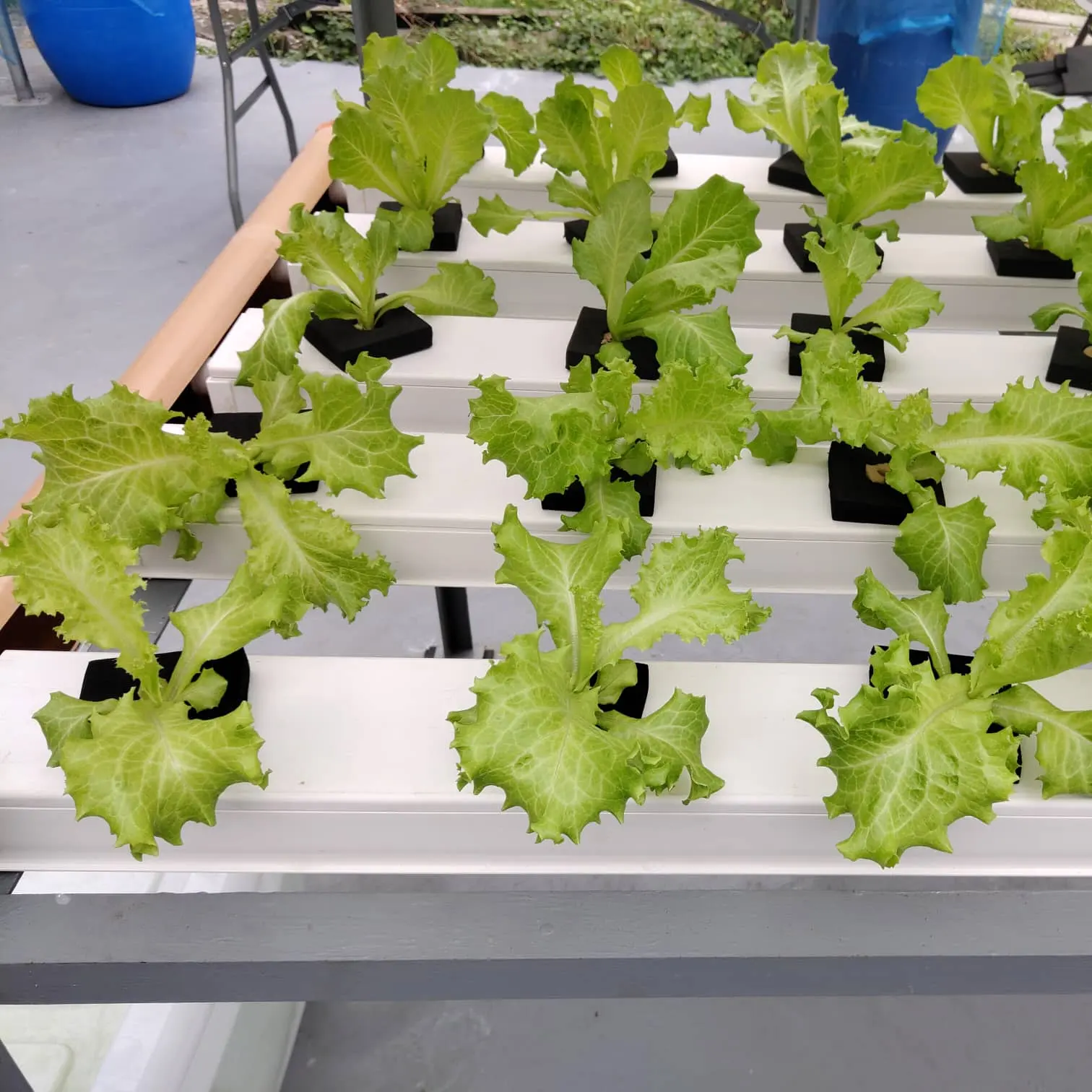
NFT (Nutrient Film Technique) hydroponic channels are the most widely deployed commercial hydroponic system for leafy green production. In NFT hydroponic channels, a thin film of nutrient solution continuously flows over plant roots in sloped channels. This design maximizes oxygen exposure to roots while maintaining optimal hydration.
NFT hydroponic channels work by positioning plants in net pots placed at regular intervals along channel runs. The channels slope gently downward, allowing gravity to return nutrient solution to a central reservoir for recirculation. This closed-loop design saves water and nutrients while ensuring consistent crop quality.
Dutch Bucket Systems
Dutch bucket hydroponic systems are the preferred choice for larger fruiting crops including tomatoes, cucumbers, and peppers. Each bucket contains a single plant in an inert growing medium such as clay pebbles or rock wool. A drip irrigation system delivers nutrient solution to each bucket while excess drains back to the reservoir.
Dutch bucket hydroponic systems offer commercial growers excellent control over individual plant nutrition. The modular design allows easy expansion and crop rotation. Dutch bucket setups are particularly popular in hydroponics greenhouse operations because the buckets can be repositioned as production needs change.
Vertical Farming Racks
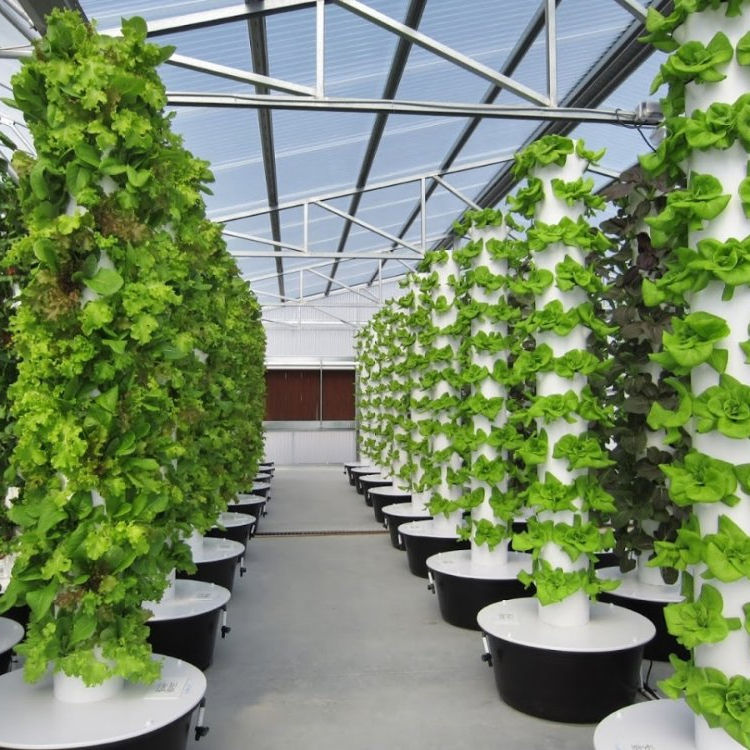
Vertical farming represents the cutting edge of commercial hydroponic system design. Multi-tier racking systems stack growing channels vertically, multiplying production area within a given footprint. Vertical farming enables hydroponics greenhouse operators to produce extraordinary yields from limited land.
Vertical farming installations typically combine NFT hydroponic channels on each tier with artificial LED grow lighting to provide consistent photosynthetic energy across all levels. Commercial vertical farms using this hydroponic system approach have demonstrated yields up to 100 times greater per square meter compared to traditional field agriculture.
Deep Water Culture
Deep water culture commercial systems suspend plant roots in large reservoirs of oxygenated nutrient solution. Air pumps continuously bubble air through the solution, maintaining high oxygen levels that promote rapid plant growth. Deep water culture hydroponic systems are especially effective for fast-growing leafy greens and herbs.
Water Efficiency and Sustainability
Water scarcity drives adoption of commercial hydroponic systems worldwide. Hydroponics greenhouse operations consume up to 90 percent less water than equivalent field production. This water efficiency stems from the closed-loop recirculation design fundamental to most commercial hydroponic system configurations.
Traditional field irrigation loses water to evaporation, deep percolation, and runoff. Commercial hydroponic systems eliminate these losses by capturing and recirculating all nutrient solution. Even water lost through plant transpiration can be recovered through humidity management in hydroponics greenhouse environments.
Beyond water savings, hydroponic system operations significantly reduce fertilizer consumption. Nutrient solutions deliver exactly what plants need, when they need it. This precision eliminates the over-application common in soil-based agriculture and prevents nutrient runoff that pollutes waterways.
Choosing the Right Commercial Hydroponic System
Selecting appropriate commercial hydroponic systems depends on several factors including crop type, available space, climate conditions, and production goals. NFT hydroponic channels excel for leafy greens and herbs. Dutch bucket systems work best for vine crops. Vertical farming maximizes production in space-constrained urban environments.
G And N Fortune Limited helps commercial growers evaluate these options through comprehensive consultation services. With 28 years of manufacturing experience and installations in over 70 countries, G And N Fortune has the expertise to match appropriate commercial hydroponic systems to specific operational requirements.
The company manufactures NFT hydroponic channels, Dutch bucket components, vertical farming racks, and complete hydroponics greenhouse turnkey solutions. All products feature food-grade materials, UV-resistant construction, and designs proven across millions of installations globally.
Future of Commercial Agriculture
Commercial hydroponic systems will play an increasingly central role in global food security. As arable land diminishes and climate volatility disrupts traditional production, hydroponics greenhouse technology provides reliable year-round production regardless of external conditions.
Leading commercial hydroponic system manufacturers continue advancing technology through improved automation, AI-driven nutrient management, and energy-efficient LED integration. The future of agriculture increasingly points toward controlled-environment production where hydroponic system technology and data analytics combine to optimize every input.
G And N Fortune Limited invites commercial growers worldwide to explore how modern commercial hydroponic systems can transform their operations. The company provides custom engineering consultation, system design services, and ongoing technical support for
hydroponics greenhouse installations of every scale.
